Invertebrates deserve respect, not revulsion, as Britain faces a biodiversity crunch
A call to shift public perception of bugs and other invertebrates, highlighting their essential role in ecosystems and the urgency of protecting them.
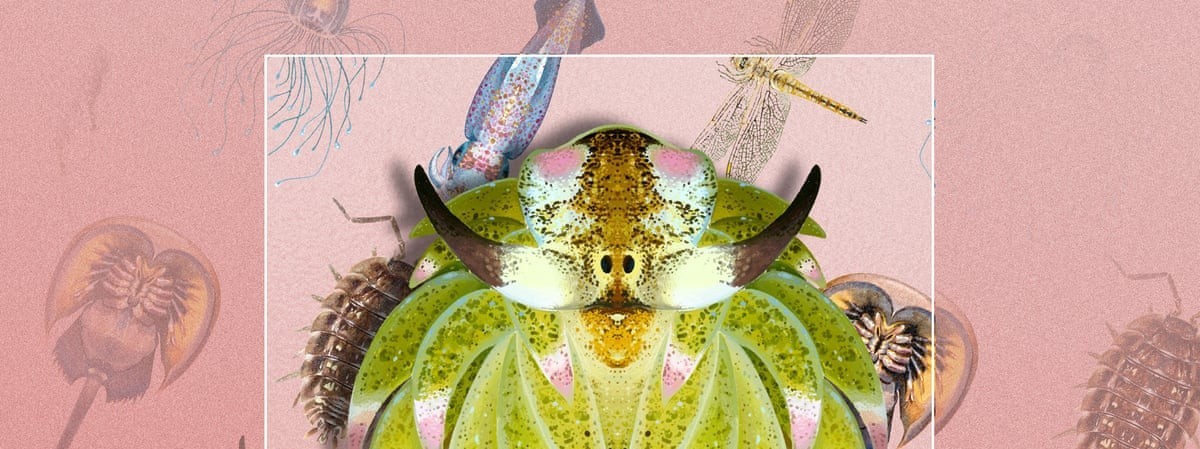
In the United Kingdom, a growing disconnect between people and the smallest members of the natural world threatens the health of ecosystems that underpin everyday life. While charismatic mammals and birds dominate media coverage, the countless insects, spiders, molluscs and other invertebrates that make up the bulk of animal diversity are often dismissed as "bugs" or labeled pests. This learned aversion, not an innate fear, is eroding the public’s willingness to safeguard the very creatures that pollinate crops, decompose waste and feed fish.
Recent attention to an annual "invertebrate of the year" competition has shone a spotlight on the hidden complexity of these organisms. By celebrating a single species each year, the initiative encourages people to look beyond the familiar megafauna and appreciate the intricate lives of creatures that rarely make it onto calendars. From the dazzling courtship dances of certain beetles to the sophisticated social structures of ants, invertebrates display behaviours that rival those of larger animals, yet they receive far less admiration and funding.
Ecologists warn that the window for reversing declines in insect populations is narrowing. Habitat loss, pesticide overuse and climate change have already caused dramatic drops in numbers of pollinators and aquatic larvae, with knock‑on effects for food production and water quality. Restoring wildflower meadows, reducing chemical inputs and fostering urban green spaces are proven measures that can bolster invertebrate numbers, but they require public support and political will.
Changing attitudes begins with education. Schools that incorporate hands‑on study of local insects, community events that invite residents to observe moths at night, and media stories that frame bugs as ecosystem engineers can help replace fear with fascination. When people recognize that the same soil that supports their gardens is teeming with life essential for clean air and healthy soils, the case for protecting invertebrates becomes personal and urgent. The future of Britain’s natural world may hinge on how quickly society can move from revulsion to reverence.