Iran Allows Select Iraqi Tankers to Navigate Hormuz Strait
Tehran has opened the Hormuz passage to a limited number of Iraqi oil carriers, while Baghdad stresses its waters won’t host attacks.
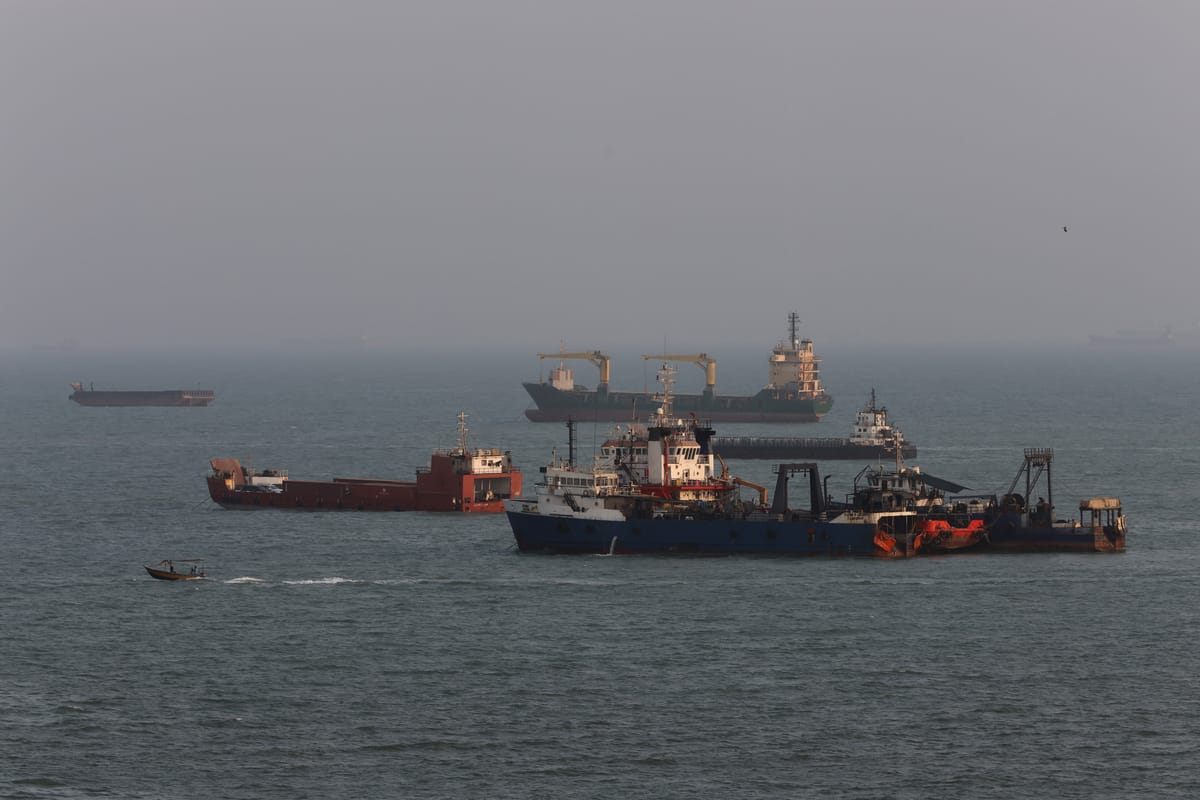
Iran announced that a handful of Iraqi‑registered oil tankers have been granted permission to transit the strategic Strait of Hormuz, a vital chokepoint for global energy shipments. The decision, communicated by Iranian maritime authorities, comes after weeks of diplomatic talks aimed at easing the bottleneck that has hampered oil flows from the Persian Gulf.
The Hormuz Strait, only about 21 miles wide at its narrowest point, handles roughly a fifth of the world’s petroleum trade. In recent months, heightened tensions between Iran and several Western powers have led to heightened scrutiny of vessels passing through the waterway, with occasional detentions and heightened naval patrols. By allowing a limited fleet of Iraqi tankers to proceed, Tehran signals a willingness to mitigate some of the logistical strain without fully lifting broader restrictions.
Iraqi President Nizar Amidi responded by affirming that Iraq’s territory will not be used as a launchpad for attacks against any nation. He emphasized that the move is purely commercial, aimed at safeguarding Iraq’s export capacity and stabilising regional oil markets. Amidi’s statement also underscored Iraq’s commitment to neutrality in the ongoing geopolitical rivalry, seeking to keep its maritime routes free from military entanglements.
Analysts note that the limited clearance could have a modest but positive effect on oil prices, which have been volatile amid concerns over supply disruptions. If the arrangement proves successful, both Tehran and Baghdad may consider expanding the list of permitted vessels, potentially easing the pressure on global energy supplies. However, the situation remains fluid, and any escalation in regional hostilities could quickly reverse the modest easing of navigation rights.