Iran asserts control over Hormuz traffic amid tensions, while Qusra faces settler siege
Tehran says its navy monitors all ship movements in the Strait of Hormuz and shows no urgency to lift closures, as the West Bank town of Qusra endures a new wave of settler pressure.
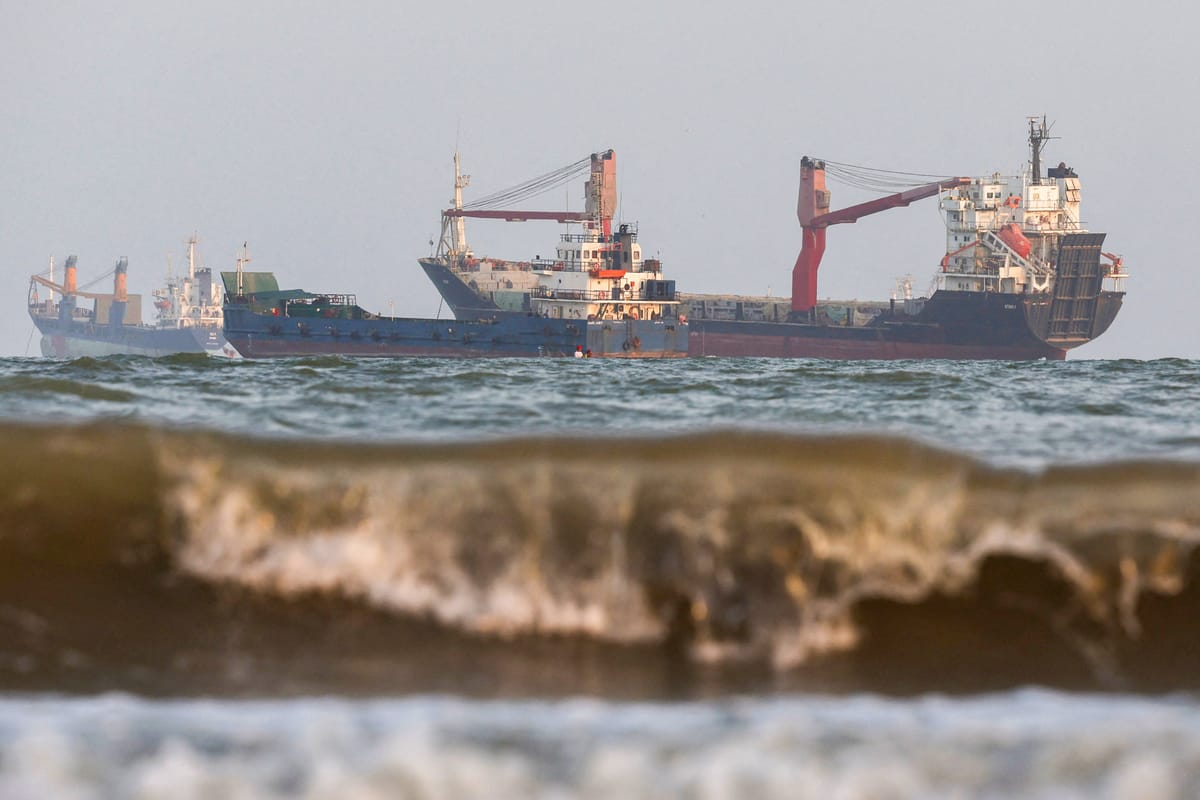
Iranian officials reiterated on Tuesday that the nation’s naval forces maintain complete oversight of vessel traffic through the strategically vital Strait of Hormuz. The deputy foreign minister emphasized that Iranian patrols are monitoring every passage, a statement that comes as Tehran signals no immediate intention to fully reopen the waterway after recent disruptions.
The decision follows a series of confrontations in the Gulf that have raised concerns among international shipping firms and energy markets. While some regional actors have called for a swift restoration of normal shipping lanes, Iranian authorities argue that security considerations and ongoing diplomatic disputes, particularly with the United States over what Tehran calls “unjust sanctions,” require a cautious approach.
In a parallel development, the Palestinian town of Qusra in the West Bank has become the focus of heightened tension after a group of Israeli settlers established a temporary encampment on the outskirts of the village. Residents reported that the encampment, which began early in the week, effectively cut off access to several local roads, prompting protests from community leaders and condemnation from human‑rights groups.
The Qusra situation underscores the broader volatility in the region, where disputes over land and sovereignty frequently intersect with larger geopolitical struggles. Both the Iranian stance on Hormuz and the settler activity in Qusra illustrate how local actions can reverberate through international diplomatic channels, influencing negotiations, trade routes, and security calculations.
Analysts note that while Iran’s claim of “full oversight” aims to reassure domestic audiences and signal resolve to foreign partners, the lack of a clear timeline for reopening the strait may prolong uncertainties for oil shipments. Meanwhile, the developments in Qusra are likely to attract further attention from the United Nations and European observers, who have called for restraint and dialogue to prevent escalation.