Iran launches strikes on Jordan and UAE following US hit on Larak Island
Tehran retaliates against Washington's attack on two launchers on Larak Island with assaults on Jordan and the United Arab Emirates.
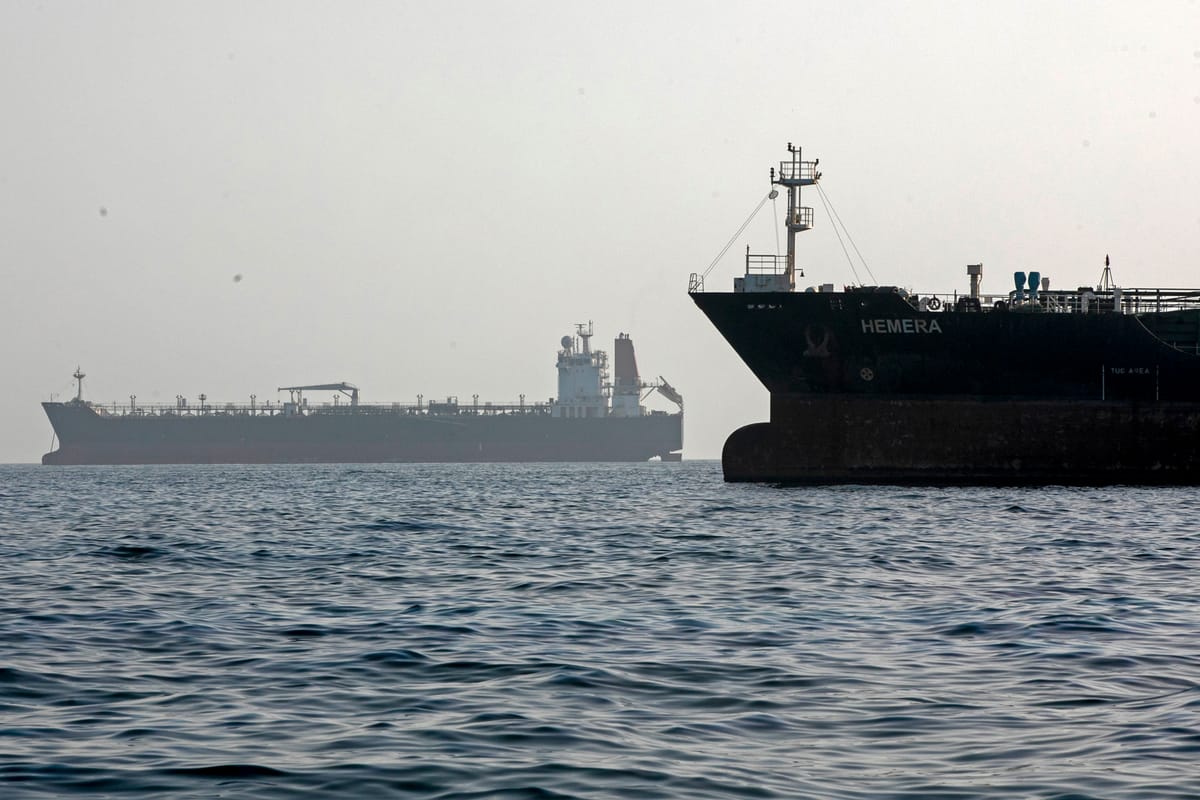
Iranian forces carried out coordinated attacks on Jordan and the United Arab Emirates on Wednesday, saying the actions were a direct response to a United States strike that hit two Iranian launchers on Larak Island in the Strait of Hormuz. The U.S. operation, which targeted the island's military assets, marked the latest escalation in a series of confrontations that have kept the strategic waterway under close watch.
In the hours after the American bombardment, Iranian missiles and drones were reportedly launched toward sites in Jordan and the UAE. Both governments confirmed that they had detected incoming projectiles and activated air‑defence systems, though they stopped short of confirming any damage or casualties. Jordanian officials described the incident as a "serious breach of sovereignty," while the United Arab Emirates called for an urgent diplomatic dialogue to de‑escalate the situation.
The Larak Island strike, carried out by U.S. forces, aimed at two launch platforms believed to be capable of targeting commercial shipping in the Hormuz corridor. The island sits at a chokepoint through which roughly a fifth of the world’s oil passes, making any military activity there a flashpoint for global energy markets. Analysts note that the U.S. action was intended to deter further Iranian aggression against maritime traffic, but Tehran framed it as an unjustified provocation.
Iran’s retaliation underscores the fragile balance of power in the region. While Tehran has repeatedly warned of consequences for any attacks on its assets, the decision to target neighboring states marks a shift from previous patterns that focused primarily on Israeli or Gulf Cooperation Council (GCC) targets. Observers caution that the escalation could draw in additional regional actors, especially if the United States chooses to reinforce its presence in the Gulf.
International calls for restraint are already mounting. The United Nations Secretary‑General urged all parties to avoid further military steps that could jeopardise regional stability. Meanwhile, diplomatic channels between Washington, Tehran, and the affected states are reportedly active, seeking a path back to dialogue before the situation spirals further.