Iranian diplomat says Tehran still awaiting US reply on Hormuz reopening plan
Foreign Ministry spokesperson Araghchi says Iran is waiting for an official US response and mediator input before moving forward on the Strait of Hormuz proposal.
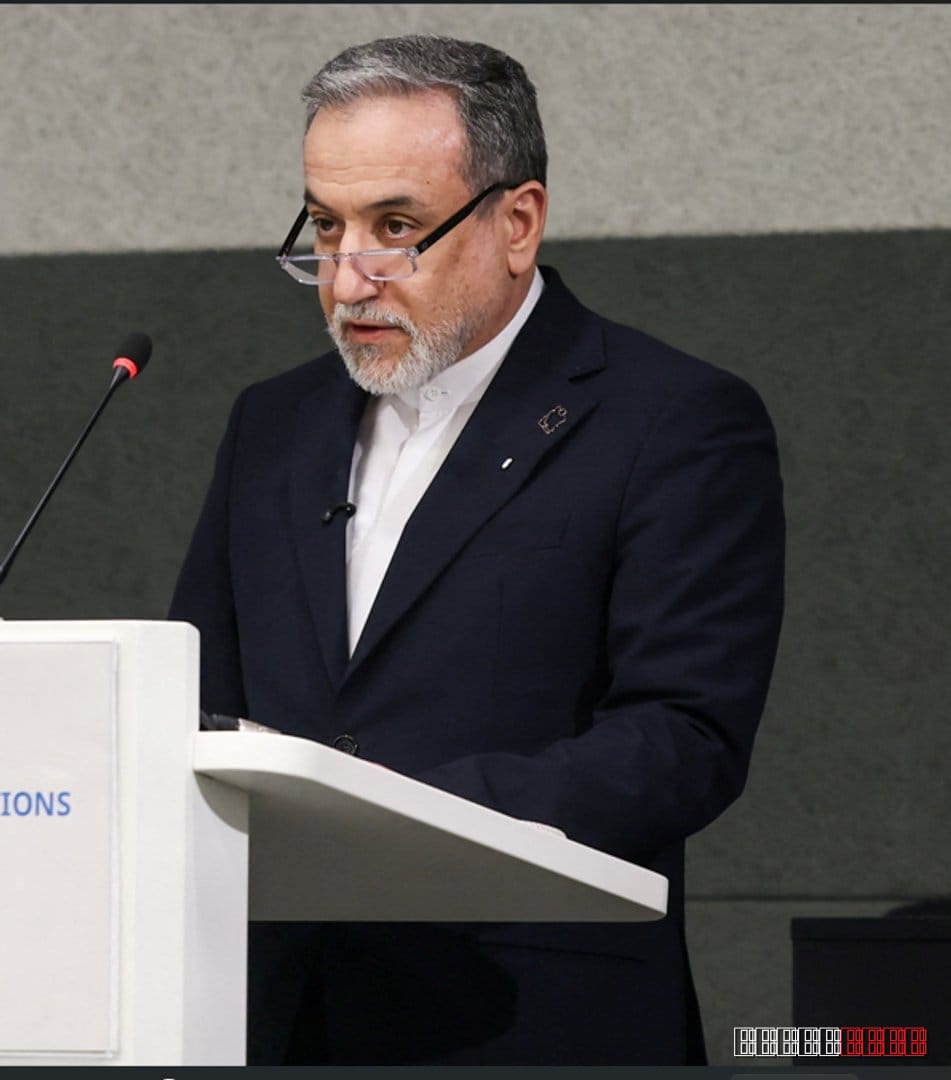
Iran’s senior foreign ministry official, Hossein Araghchi, told reporters that Tehran has not yet received a formal answer from Washington regarding its offer to reopen the Strait of Hormuz to commercial traffic. The statement, made on Tuesday, came after President Donald Trump publicly dismissed the Iranian proposal, prompting Araghchi to say he was “ignoring” the comment and focusing on the diplomatic channel instead. According to Al Jazeera, the Iranian side is now looking to the mediators who have been facilitating the talks for a clear response before any next steps are taken.
The Strait of Hormuz, a narrow waterway linking the Persian Gulf with the Gulf of Oman, handles roughly a fifth of the world’s oil shipments. Disruptions there have historically amplified global energy prices and sparked wider geopolitical tension. In recent months, a series of missile and drone attacks on oil facilities in the region heightened concerns about the waterway’s security, prompting both Iran and the United States to explore de‑escalation measures.
Iran’s proposal, first floated in early September, offered to lift its own restrictions on shipping in exchange for the removal of certain U.S. sanctions tied to the Gulf. While the offer was welcomed by some regional actors as a potential step toward stabilising oil flows, it also raised questions about the extent of concessions each side is prepared to make. The United States has not publicly confirmed receipt of the proposal, and Trump’s remarks suggested a reluctance to engage without broader diplomatic progress.
Mediators—comprising representatives from the United Nations and several European states—have been shuttling between Tehran and Washington since the proposal’s inception. Their role is to clarify the terms, verify compliance mechanisms, and ensure that any reopening does not compromise security for either side. Araghchi’s emphasis on waiting for a mediator’s response underscores the importance Iran places on a multilateral framework rather than a direct bilateral deal.
Analysts note that even a tentative agreement to reopen the strait could have immediate effects on oil markets, potentially easing the price spikes seen after the September attacks. However, lasting stability will likely depend on broader U.S.-Iran relations, including progress on nuclear negotiations and regional security arrangements. For now, the world watches as diplomatic channels remain the only avenue for resolving the impasse.
Al Jazeera reported that Araghchi’s comments signal Tehran’s patience but also its determination to keep the issue alive in international forums, awaiting a concrete answer that could shape maritime traffic in one of the globe’s most strategic passages.
This report is based on original reporting by Al Jazeera. Read the original source →