Iranian envoy meets Qatari mediators amid US demand for nuclear concessions
Tehran's foreign ministry chief engages Qatar as Washington insists any agreement must address Iran's nuclear program.
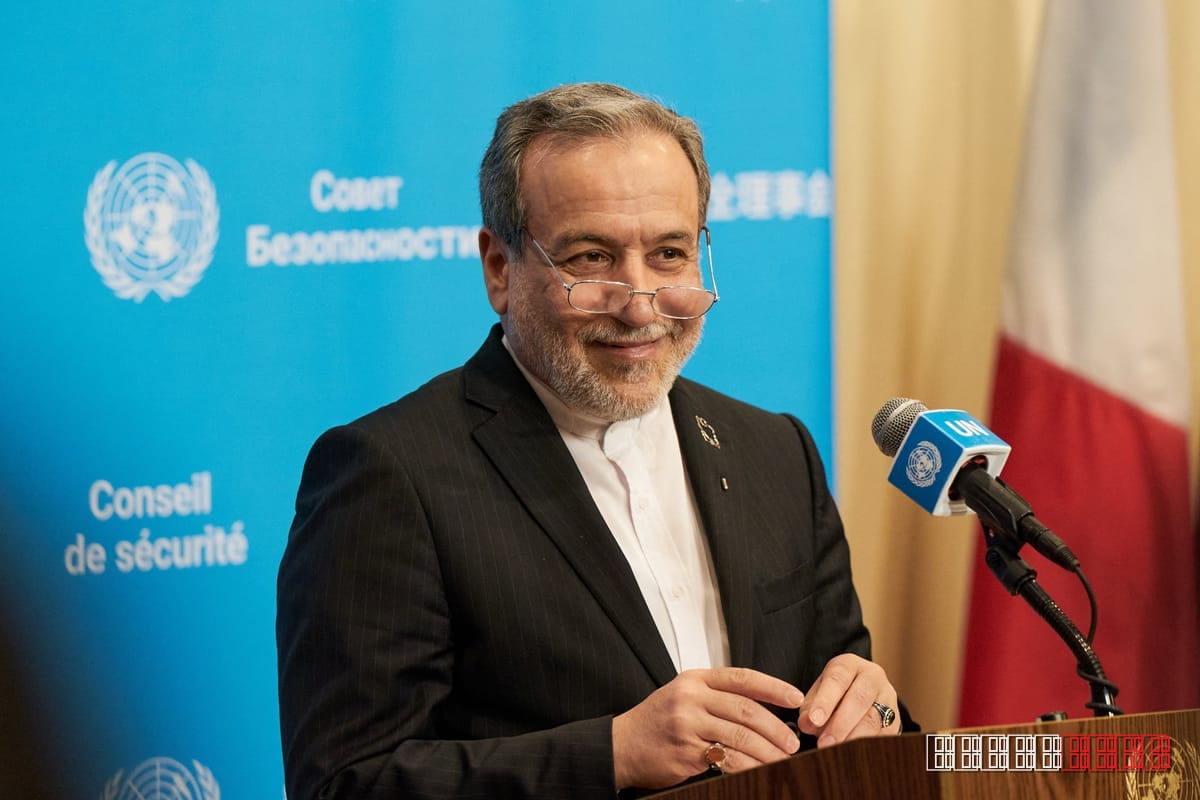
Iran’s senior diplomatic official, Ali Bagheri Araghchi, sat down with Qatari envoys on Thursday in Doha, a meeting aimed at easing regional tensions while the United States pressed for progress on Tehran’s nuclear agenda, Al Jazeera reported. The talks come as Iran awaits a response from Washington on a proposed de‑escalation plan for the strategic Strait of Hormuz, a waterway that carries a fifth of global oil shipments.
A senior U.S. official told reporters that any potential arrangement with Iran would be contingent on addressing the nuclear issue, stating that “there will be no deal unless nuclear concerns are resolved.” The comment underscores a hardening U.S. posture that links economic or security incentives directly to Tehran’s compliance with the Joint Comprehensive Plan of Action (JCPOA) framework, according to Al Jazeera.
The involvement of Qatar reflects a pattern dating back to the 2015 nuclear accord, when the Gulf state acted as a neutral conduit for back‑channel discussions between Tehran and Washington. Doha’s diplomatic outreach intensified after the 2023 escalation in the Persian Gulf, when Iran threatened to close the Hormuz Strait in response to perceived threats to its sovereignty. Historically, Qatari mediation has helped lower the risk of naval confrontations, though it has not yet produced a lasting settlement on the nuclear front.
Analysts note that the current negotiations are occurring in a fragile geopolitical climate. Iran’s nuclear program has advanced its enrichment capacity since the U.S. withdrawal from the JCPOA in 2018, prompting renewed sanctions and heightened regional anxieties. Meanwhile, the Strait of Hormuz remains a flashpoint; any disruption could trigger sharp spikes in oil prices and compel major powers to intervene militarily. The Qatari‑Iranian dialogue, therefore, serves both as a confidence‑building measure and a test of whether diplomatic channels can survive amid competing strategic priorities.
The next steps hinge on Washington’s willingness to separate the Hormuz de‑escalation proposal from the nuclear dossier, and on Tehran’s assessment of whether concessions on its nuclear program would compromise its regional leverage. Both sides have signaled a desire to avoid open conflict, but the deadline for a U.S. response on the Hormuz plan remains unclear, leaving the region in a state of cautious anticipation.
This report is based on original reporting by Al Jazeera. Read the original source →