Iranian Foreign Minister Heads to China as Pentagon Details War Costs
Abbas Araqchi travels to Beijing for talks while the U.S. defense department releases figures on the financial impact of the ongoing conflict with Iran.
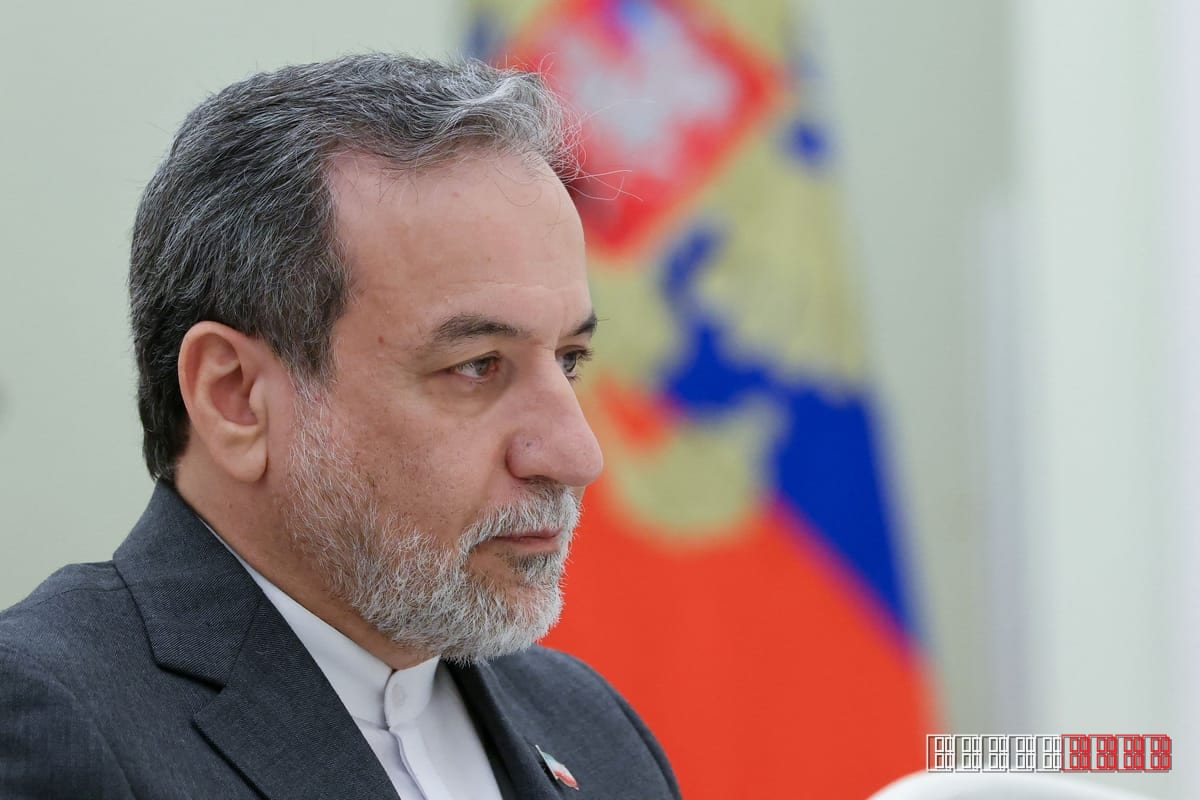
Iranian Foreign Minister Abbas Araqchi is scheduled to arrive in Beijing on Wednesday for a series of diplomatic meetings, the Chinese foreign ministry said on Tuesday. CNBC reported that the visit comes amid heightened attention on the economic side of the U.S.-Iran confrontation, as the Pentagon recently released data on the war’s fiscal burden.
The Pentagon’s disclosure, also cited by CNBC, outlines the cumulative expenses the United States has incurred since the latest escalation in the Persian Gulf region. While the agency did not provide a line‑item breakdown in the brief, it emphasized that the costs encompass aircraft operations, munitions, and support for regional allies. The figures underscore the growing financial strain of maintaining a sustained military posture near the Strait of Hormuz, a critical chokepoint for global oil shipments.
Araqchi’s trip to China is expected to focus on expanding economic cooperation and seeking Beijing’s support in easing the diplomatic isolation Tehran faces from Washington. Analysts note that both Tehran and Beijing have a history of aligning on strategic interests, particularly in counterbalancing U.S. influence in the Middle East. The timing of the talks may also be linked to recent U.S. statements warning of further sanctions if Iran continues to challenge navigation rights in the Hormuz waterway.
The United States has repeatedly warned that any interference with commercial shipping in the Gulf could trigger a broader military response. Over the past year, U.S. forces have conducted multiple air patrols and naval exercises to demonstrate resolve, actions that contribute to the cost figures the Pentagon disclosed. Historically, such expenditures have been a point of contention in Washington’s budgeting process, often prompting calls from lawmakers for clearer accountability.
For Iran, securing a partnership with China could provide an economic lifeline as sanctions tighten. Beijing, meanwhile, seeks to deepen its foothold in the region by offering technology transfers and investment in Iranian infrastructure. The outcome of Araqchi’s discussions may shape the next phase of Tehran’s diplomatic strategy and could influence how the United States calculates the financial and strategic stakes of its Gulf policy.
The convergence of diplomatic outreach and fiscal transparency highlights the complex interplay between military spending and foreign policy. As the Pentagon’s cost assessment becomes part of the public record, policymakers on both sides of the Pacific are likely to weigh the economic implications of any further escalation in the Persian Gulf.
This report is based on original reporting by CNBC. Read the original source →