Bangsamoro parliamentary vote ends without a clear majority
Unofficial tallies show no single party secured enough seats to form a government in the Philippines' Muslim‑majority autonomous region.
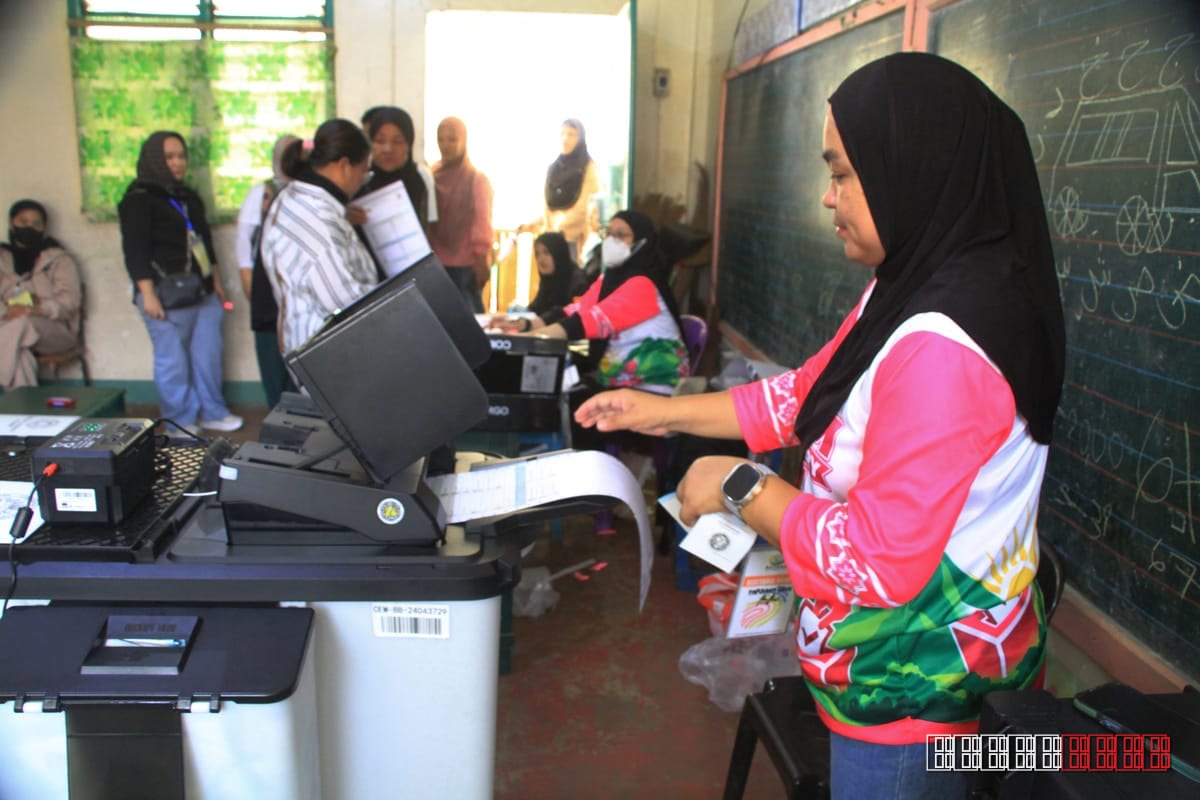
Unofficial results released on Thursday indicate that the recent parliamentary election in the Bangsamoro Autonomous Region in Muslim Mindanao (BARMM) failed to produce a majority winner, leaving the 80‑seat legislature without a clear governing bloc, Al Jazeera reported.
The vote saw a fragmented outcome, with several regional parties and a number of independents each winning a share of the seats. Because no group reached the threshold required to command a majority, coalition talks will be essential before a functional government can be installed. The lack of a decisive winner means that the region will likely operate under a caretaker administration while political leaders negotiate alliances.
Bangsamoro was established in 2019 following a historic peace agreement between the Philippine government and the Moro Islamic Liberation Front, granting the predominantly Muslim province a degree of self‑rule. Its first parliamentary election in 2022 marked a milestone in the peace process, delivering a fully elected assembly for the first time. The current election was closely watched as a test of the autonomous region’s political maturity and its ability to manage local affairs such as education, health, and security.
The hung parliament poses immediate challenges. Without a majority, passing legislation on critical issues—ranging from infrastructure projects to the implementation of Sharia‑based family law—could stall. Analysts note that prolonged negotiations risk eroding public confidence in the fledgling autonomous government, potentially affecting the broader peace and development agenda in Mindanao.
The Commission on Elections (COMELEC) is expected to certify the results within the next two weeks. Once official figures are released, party leaders will begin formal coalition discussions, a process that could take weeks. The national government has pledged to support a smooth transition and may step in to facilitate dialogue if deadlock persists. Observers will be watching how quickly Bangsamoro can coalesce around a governing coalition, as its stability is seen as a barometer for the success of the Philippines’ decentralisation experiment.
This report is based on original reporting by Al Jazeera. Read the original source →