Joint budgeting lifts Liberian cash aid outcomes, but sparks new challenges
A Liberian study found that couples who planned their cash assistance together saw better results, yet some families faced unexpected setbacks.
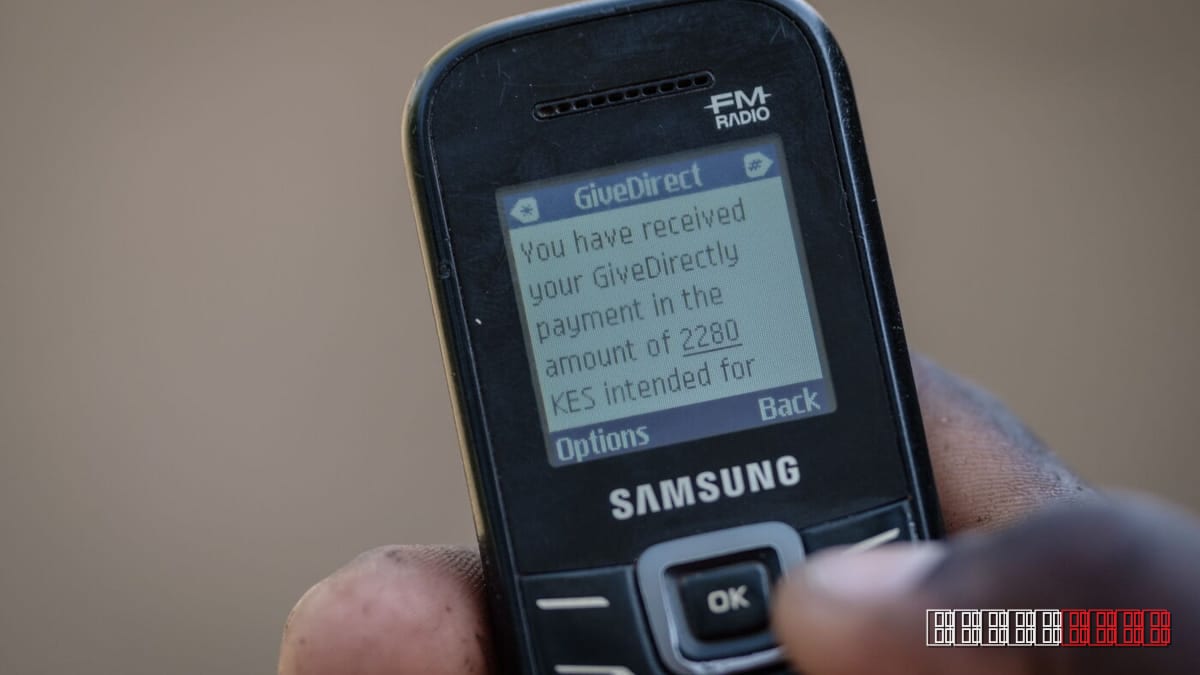
A recent field experiment in Liberia explored how pairing cash transfers with a joint spending plan affected low‑income households. According to NPR, researchers gave needy couples a modest cash grant and asked them to develop a shared budget for the money. The approach produced clear gains: many participants reported higher food security, increased savings, and a stronger sense of partnership in managing household resources.
However, the same study uncovered a downside for a subset of families. In several cases, the joint budgeting requirement intensified existing tensions, leading to disputes over how the cash should be allocated. NPR noted that some women felt their voices were muted in the decision‑making process, while a few men used the plan to exert greater control over household finances.
The mixed outcomes highlight a broader debate in development circles about the design of cash‑assistance programs. Since the early 2000s, governments and NGOs have deployed unconditional cash transfers across sub‑Saharan Africa to alleviate poverty, often emphasizing flexibility for recipients. Critics argue that without guidance, cash can be spent on non‑essential items, while proponents of “nudged” approaches suggest that modest planning tools can steer spending toward nutrition, education, or savings. Liberia’s experiment adds nuance, suggesting that joint planning can amplify benefits but must be sensitive to gender dynamics and intra‑household power balances.
For Liberian policymakers, the findings offer a roadmap for refining social safety nets. Tailoring budgeting workshops to include gender‑sensitive facilitation, offering optional rather than mandatory planning, and monitoring household relations could mitigate the unintended friction observed. As the country continues to rebuild after years of civil conflict and the Ebola epidemic, effective cash‑transfer designs remain crucial for sustaining economic recovery and protecting vulnerable families.
The study’s authors plan to follow participants over a longer horizon to assess whether the initial gains persist and whether the reported conflicts resolve or deepen. Their work underscores that while cash can be a powerful tool against poverty, the way it is delivered and managed within households can shape its ultimate impact.
This report is based on original reporting by NPR. Read the original source →