Jurors Describe Tension Behind Lindsay Clancy Mistrial After Insanity Vote Stalemate
Three jurors recount how a single holdout forced a mistrial in the high‑profile case of Lindsay Clancy.
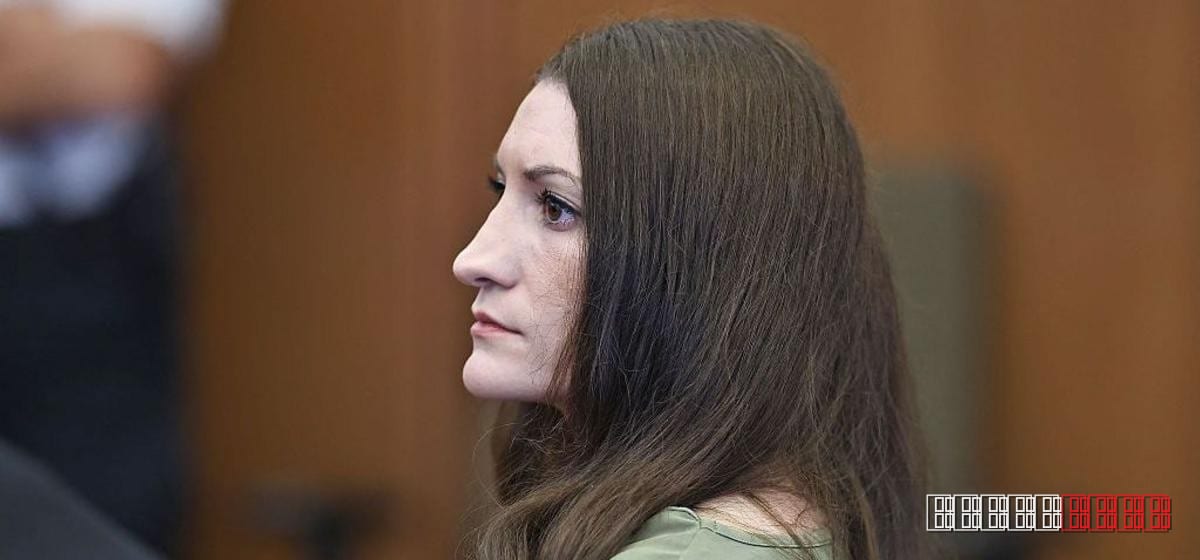
A three‑person jury that deliberated for roughly 40 hours on the fate of former police officer Lindsay Clancy told BBC News that the panel collapsed when one male juror refused to join a verdict of not guilty by reason of insanity. The jurors said the deadlock left the judge with no option but to declare a mistrial, sending the case back to the courtroom for a possible retrial.
According to BBC News, the two female jurors were prepared to accept the insanity defense, arguing that Clancy’s mental state at the time of the shooting met the legal threshold for lack of criminal responsibility. The lone male juror, however, maintained that the evidence did not satisfy the stringent criteria required for such a finding, and he would not change his position despite repeated discussions.
In U.S. criminal law, a unanimous decision is mandatory for any verdict, including those based on mental illness. When unanimity cannot be reached, the judge must either encourage further deliberation or, as in this case, declare a mistrial. The judge’s ruling means that the prosecution can decide whether to retry the case, negotiate a plea, or drop the charges altogether.
The insanity defense is among the most rarely successful strategies in American courts. It requires proof that the defendant was unable to understand the nature or wrongfulness of the act due to a severe mental disease or defect. High‑profile cases such as John Hinckley Jr. and Andrea Yates have sparked public debate about the balance between mental health considerations and accountability. Critics argue the defense can be abused, while advocates stress the importance of recognizing genuine psychiatric impairment.
The mistrial leaves the victims’ families without closure and prolongs media scrutiny of a case that has already drawn national attention. Prosecutors have not yet announced whether they will pursue a new trial, and defense attorneys say they remain prepared to argue the insanity claim again. The episode underscores the challenges juries face when complex psychiatric evidence collides with the legal requirement for unanimity, and it may influence how future cases involving mental illness are approached in the courtroom.
This report is based on original reporting by BBC News. Read the original source →