Kazakhstan's parliamentary vote limited to pro‑Tokayev parties amid constitutional overhaul
The August 23 election features only state‑approved parties loyal to President Kassym‑Jomart Tokayev, reinforcing his grip on power.
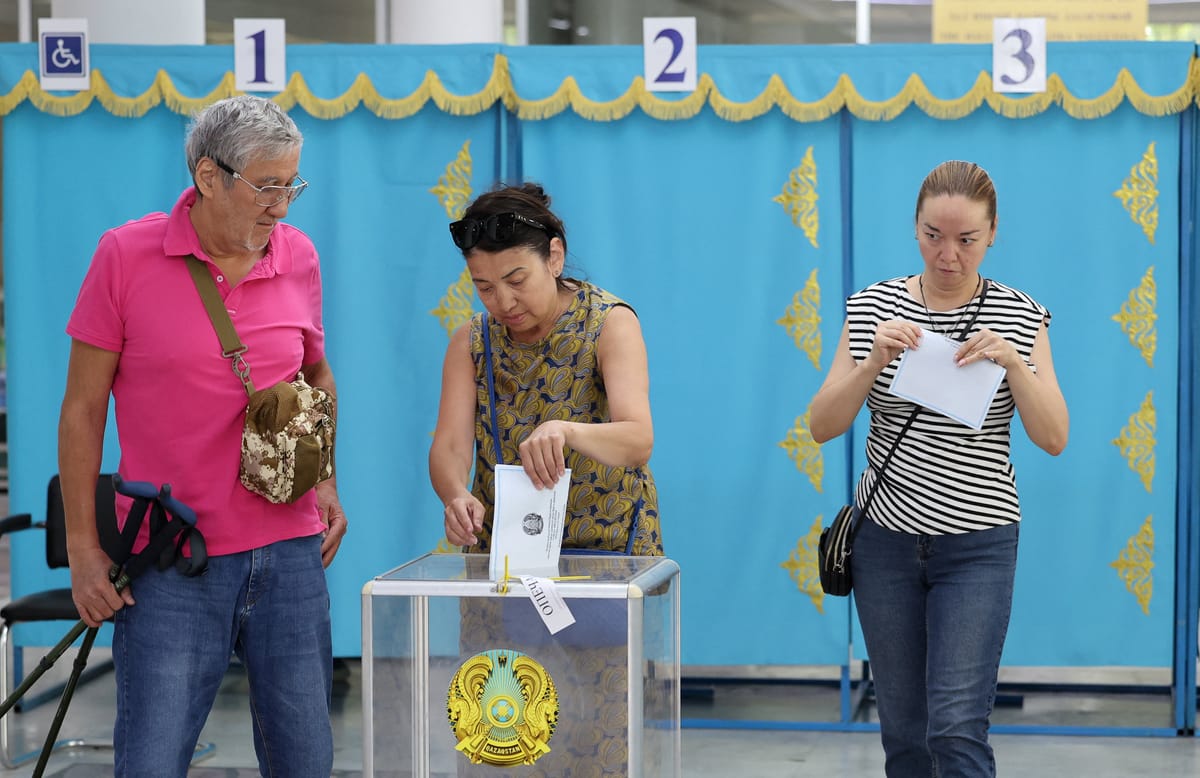
Kazakhstan went to the polls on August 23 for a parliamentary election that analysts say will solidify President Kassym‑Jomart Tokayev’s control over the country’s political landscape. The ballot was restricted to parties that have received official approval from the state, all of which have publicly pledged loyalty to Tokayev.
The election unfolds against the backdrop of a sweeping constitutional overhaul that has been underway for several months. The reforms, promoted by the president, aim to reshape the balance of power among Kazakhstan’s institutions, but critics argue they further concentrate authority in the executive branch. By limiting participation to government‑aligned parties, the vote is expected to translate the constitutional changes into a parliamentary majority that backs the president’s agenda.
International observers and local civil‑society groups have highlighted the lack of genuine competition, noting that opposition groups were barred from registering candidates. With no independent or dissenting voices on the ballot, the election is being described as a procedural exercise rather than a contest of ideas. Voter turnout figures are expected to be released in the coming days, but early reports suggest a high level of participation, a pattern common in previous Kazakh elections.
The outcome is likely to reinforce Tokayev’s grip on power, giving his administration a solid legislative foundation to implement the new constitutional framework. While the government presents the reforms as a step toward modernization and stability, the restricted electoral field raises questions about the depth of democratic practice in Kazakhstan moving forward.