Kenya's Magadi soda ash plant faces growing opposition to Tata Chemicals
Community and regulatory pressure mount as Kenya reevaluates Tata Chemicals' century‑old operations in the Rift Valley town.
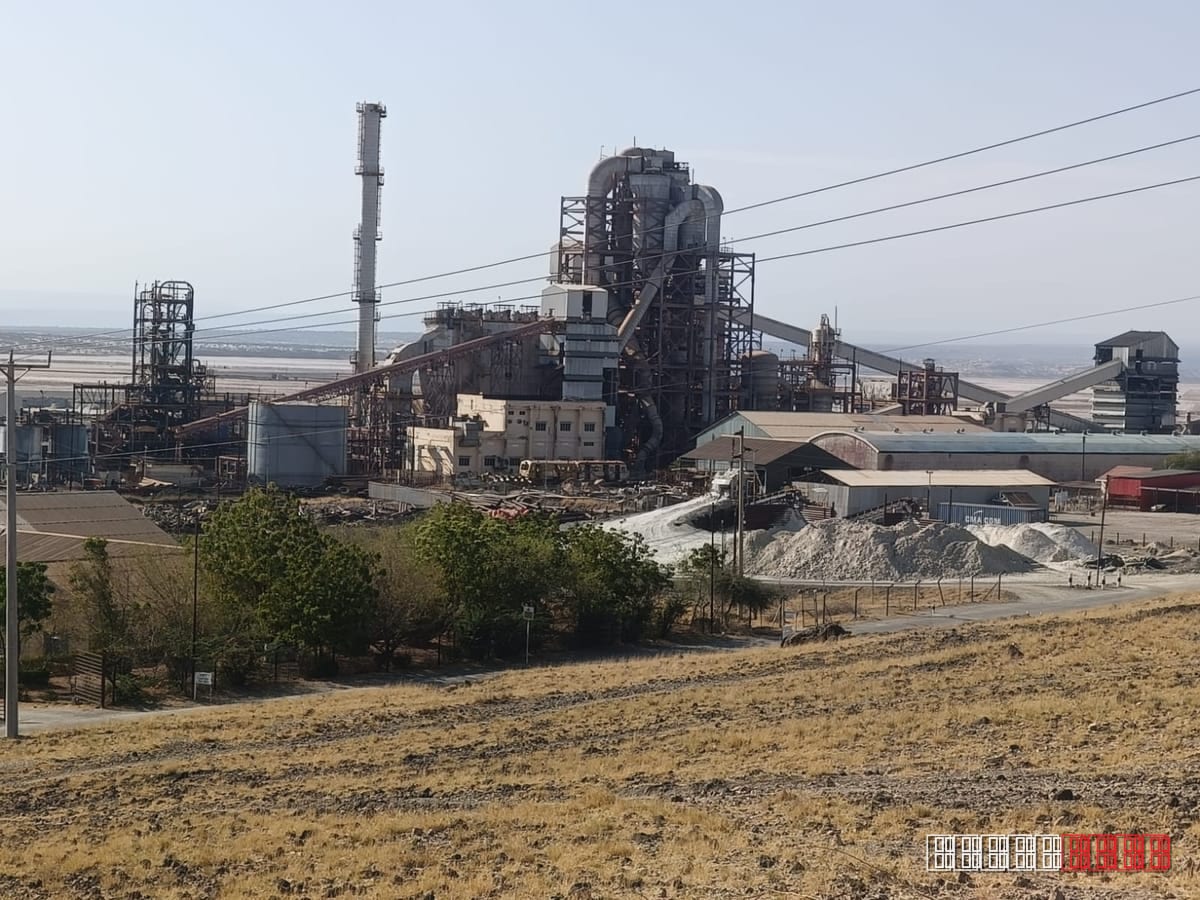
Kenya’s government and local residents have intensified their challenge to Tata Chemicals’ soda‑ash operation in Magadi, a town that has hosted the plant for more than a hundred years. Al Jazeera reported that the dispute centers on alleged environmental damage, unfulfilled job promises and a perceived lack of local benefits, prompting officials to review the company’s licences and compliance record.
Residents of Magadi say the plant’s water extraction has strained the already scarce groundwater, while dust and emissions have led to respiratory problems. Labor unions claim that the employment targets set in earlier agreements have not been met, leaving many in the community without the jobs they were promised. In response, the Ministry of Mining has announced a tighter regulatory audit, signalling that the company could face penalties or even a suspension of its operating permit if violations are confirmed.
Tata Chemicals, which acquired the Magadi facility in 2002, has defended its record, stating that it adheres to Kenyan environmental standards and contributes roughly 2 % of the country’s export earnings. The firm points to community projects such as school refurbishments and water‑purification initiatives as evidence of its commitment to local development. However, Al Jazeera noted that community leaders remain skeptical, arguing that the benefits have not kept pace with the environmental costs.
The Magadi soda‑ash industry dates back to the early 20th century, when British colonial authorities first exploited the region’s rich trona deposits. Over the decades, the sector has become a cornerstone of Kenya’s mineral export portfolio, with Tata Chemicals emerging as the dominant player after consolidating several smaller operations. Historically, the government has balanced revenue generation with social obligations, but recent shifts in policy—driven by heightened public awareness of climate impacts and a push for greater domestic value‑addition—have raised the stakes for foreign‑owned extractive firms.
Looking ahead, analysts warn that a prolonged standoff could disrupt supply chains, affect employment for the town’s 1,500 plant workers and dent Kenya’s export revenues. Negotiations are expected to continue, with the possibility of revised community‑benefit agreements or stricter environmental safeguards. The outcome will likely set a precedent for how Kenya manages other legacy mining projects amid growing demand for sustainable practices.
The situation underscores a broader trend across Africa, where governments are reassessing the social license of long‑standing foreign investors and demanding more transparent, locally‑focused outcomes.
This report is based on original reporting by Al Jazeera. Read the original source →