Kerala embraces modern combat disciplines as interest shifts beyond Kalaripayattu
A growing number of gyms across the state are offering Brazilian Jiu‑Jitsu, MMA and other contemporary martial arts, reflecting changing fitness and self‑defence preferences.
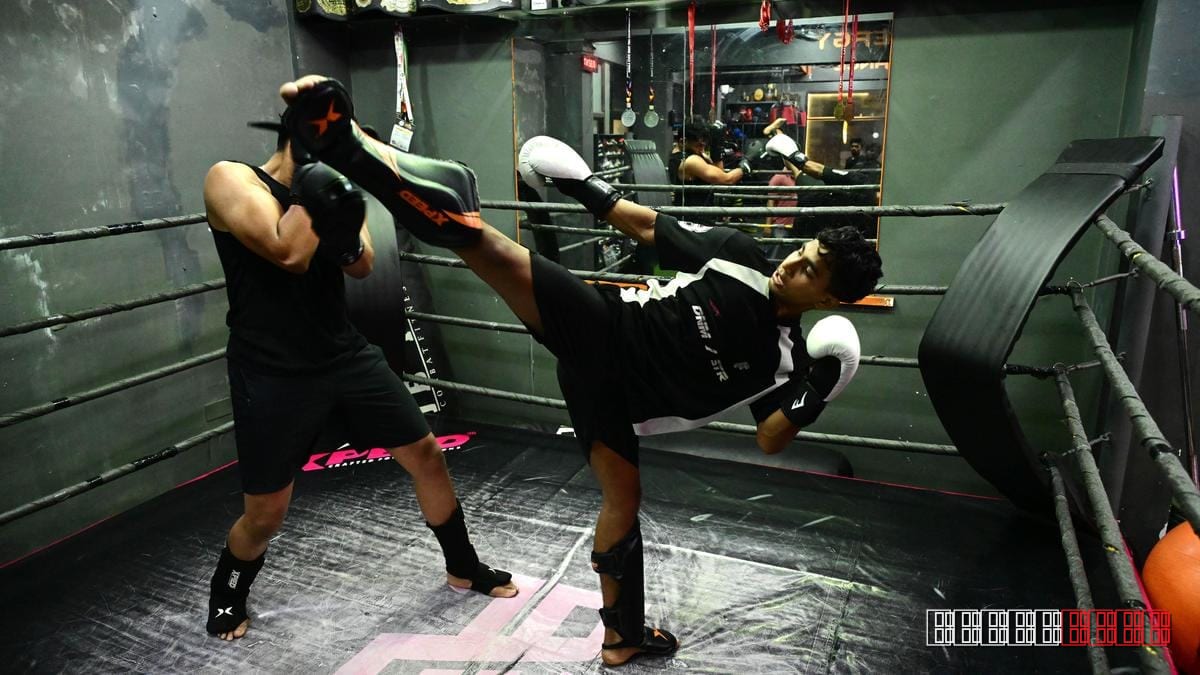
Interest in combat sports is expanding in Kerala, moving beyond the traditional art of Kalaripayattu, as well as long‑standing imports like Karate and Kung Fu. The Hindu reported that a wave of new martial‑arts studios has opened in cities such as Kochi, Thiruvananthapuram and Kozhikode, offering disciplines ranging from Brazilian Jiu‑Jitsu and Muay Thai to mixed‑martial‑arts (MMA) and Taekwondo. Trainers say enrolments have risen sharply since 2022, driven by younger practitioners seeking practical self‑defence skills and a more varied workout experience.
The journalist Tiki Rajwi visited several training centres, speaking with coaches and students to gauge the shift. One coach from a Kochi gym noted that the appeal of MMA lies in its “all‑round” approach, combining striking, grappling and conditioning, while a Thiruvananthapuram instructor highlighted the growing popularity of Brazilian Jiu‑Jitsu for its emphasis on technique over brute strength. According to The Hindu, many participants are drawn by the sport’s visibility on global platforms such as the UFC and the rise of online tutorials that demystify complex moves.
Historically, Kerala’s martial heritage is anchored in Kalaripayattu, a discipline dating back over three millennia and celebrated for its fluid weapon work and rigorous physical regimen. The art has long been a cultural emblem, featured in temple festivals and classical dance. However, the state’s urban middle class now seeks additional avenues for fitness, partly due to the pandemic’s impact on gym attendance and a broader global trend toward mixed‑discipline training. This mirrors a nationwide pattern where traditional Indian martial arts coexist with, and sometimes give way to, internationally popular combat sports.
The rise of modern martial arts also carries economic implications. New gyms create employment for certified instructors, many of whom have trained abroad, and generate ancillary demand for equipment, nutrition products and tournament hosting. Moreover, schools are beginning to incorporate basic self‑defence modules into physical‑education curricula, reflecting policy interest in youth safety.
While Kalaripayattu remains a point of pride, the diversification of combat training in Kerala signals a dynamic cultural adaptation. Practitioners report benefits ranging from improved cardiovascular health to heightened confidence, suggesting that the state’s martial‑arts landscape is evolving to meet contemporary aspirations without erasing its historic roots.
This report is based on original reporting by The Hindu. Read the original source →