Lebanon Sends Former Syrian General Adel Issa to Damascus on War‑Crimes Charges
The handover marks the first time Lebanon has extradited a suspect linked to the Assad regime for alleged atrocities.
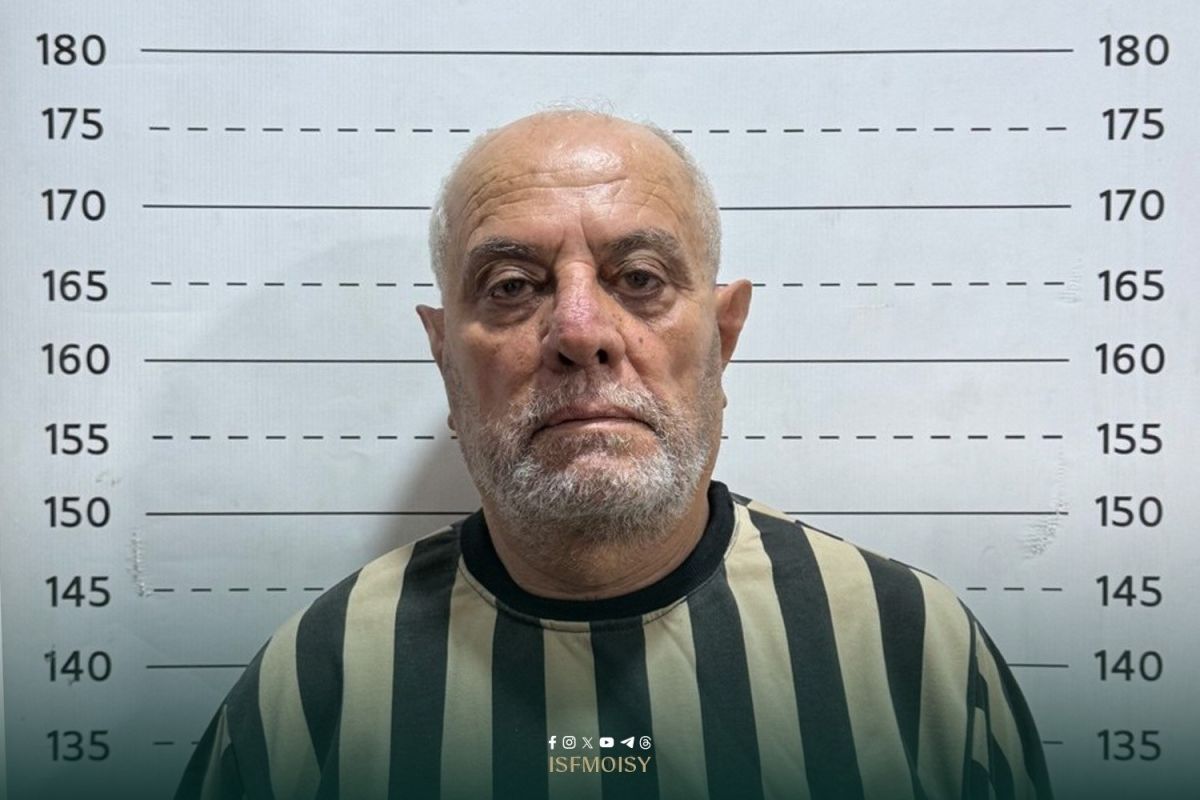
Lebanon has transferred former Syrian army officer Adel Issa to Damascus, where he faces charges of war crimes stemming from the early years of the Syrian conflict. Issa, who held the rank of general under President Bashar al‑Assad, was detained by Lebanese authorities last year after being identified as a possible participant in mass killings and forced disappearances.
The extradition follows a formal request from Syrian prosecutors who allege that Issa played a direct role in operations that targeted civilian neighborhoods in Homs and Hama in 2012. Lebanese judges reviewed the request under the terms of a bilateral agreement on criminal cooperation and concluded that the evidence met the threshold for surrender. Human‑rights groups welcomed the move, saying it could set a precedent for regional accountability, but they also urged that any trial respect international standards of due process.
Lebanon’s decision arrives amid a broader push by Damascus to secure the return of former regime figures who fled after the civil war intensified. Over the past decade, Syria has sought the repatriation of dozens of ex‑military and intelligence officials, many of whom are wanted for alleged atrocities. The Issa case is the first instance in which Lebanon has complied with such a request, signaling a shift in the country’s diplomatic posture toward its embattled neighbour.
The handover was carried out quietly at Beirut’s international airport, with both governments emphasizing that the process complied with legal norms. Syrian officials announced that Issa will appear before a military court in Damascus, where he could face a life‑sentence if convicted. Observers note that the outcome could influence future cooperation on war‑crimes investigations across the region, especially as the United Nations continues to call for comprehensive accountability mechanisms.
While the extradition underscores a growing willingness to address past abuses, critics warn that Syria’s judicial system remains opaque and that political considerations may outweigh impartial justice. The case will be watched closely by international monitors, victims’ families, and advocacy groups seeking a credible path to reconciliation after years of bloodshed.