Logistical bottlenecks threaten delivery of aid to Gaza civilians
Trucks face severe restrictions and dangerous routes that keep humanitarian supplies from reaching the people who need them most in Gaza.
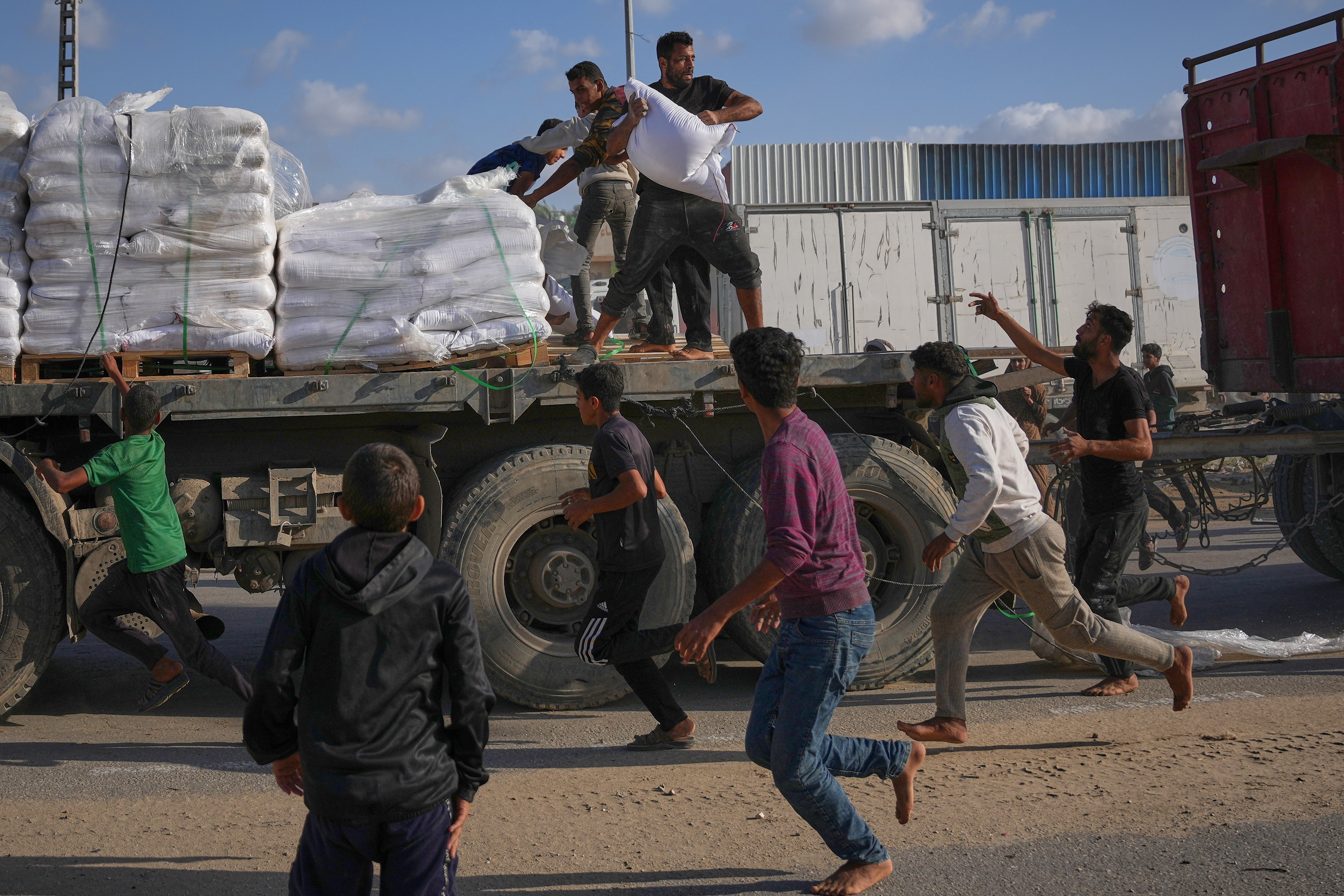
The flow of humanitarian assistance into the Gaza Strip has been hampered by a complex web of restrictions that make it nearly impossible for aid trucks to reach the neighborhoods most in need. Since the blockade was tightened, Israeli authorities have limited the number of crossing points and imposed strict permit requirements, forcing each convoy to undergo lengthy security checks before it can even leave the entry gate.
Even when a convoy clears the checkpoint, drivers encounter additional obstacles that delay or halt progress. Roads leading to aid warehouses are frequently damaged or blocked, and the lack of fuel and spare parts for transport vehicles compounds the problem. Humanitarian organisations report that many trucks end up parked for days in staging areas, unable to navigate the fragmented network of streets that connect storage facilities with densely populated districts.
The situation is further complicated by the limited capacity of the Rafah crossing, which remains the primary gateway for large‑scale aid deliveries. Israeli monitoring teams control the flow of goods, and any deviation from approved routes can result in the seizure of cargo or the denial of entry. As a result, a significant portion of the supplies that do make it into Gaza are stored in warehouses far from the most affected communities, where distribution is slowed by security concerns and a shortage of personnel.
Aid agencies warn that the cumulative effect of these logistical hurdles is a growing gap between the amount of assistance arriving in the enclave and the actual delivery of aid to families facing shortages of food, medicine and basic services. Without a coordinated effort to ease movement restrictions and improve road conditions, the humanitarian response risks becoming a symbolic gesture rather than a lifeline for Gaza’s civilian population.
Calls for a more transparent and streamlined process have intensified, with international bodies urging both sides to facilitate the rapid and safe passage of relief supplies. Until such measures are put in place, the promise of aid may remain out of reach for many Gazans who are already enduring a protracted humanitarian crisis.