Logistical hurdles and unanswered questions shadow upcoming US‑China summit
Key details about venue, security and agenda remain unsettled as Washington and Beijing prepare for a high‑stakes meeting.
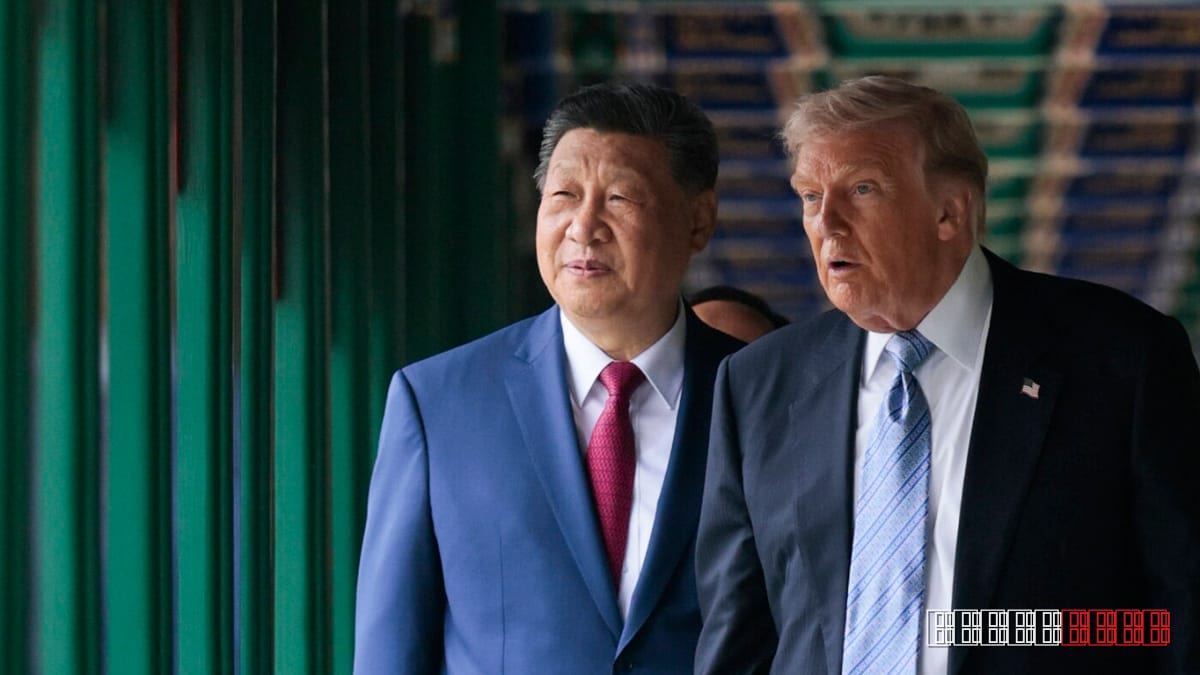
Negotiators from Washington and Beijing are racing against a tight calendar to finalize the practicalities of a much‑anticipated summit between President Donald Trump and President Xi Jinping. While diplomatic overtures have been exchanged, the exact date, venue specifications and the composition of each delegation are still being ironed out, leaving analysts to speculate on how these variables could shape the talks.
According to NPR, China remains optimistic about the summit despite the lingering questions surrounding its organization. That confidence reflects Beijing’s broader strategy of projecting a willingness to engage, even as it navigates domestic expectations and international scrutiny.
The United States, meanwhile, faces its own set of challenges. Security protocols for a former president traveling abroad require coordination among multiple agencies, and the presence of high‑ranking Chinese officials adds layers of diplomatic protocol. Logistics such as translation services, media access and the handling of sensitive documents are also under discussion, with both sides insisting on transparency while protecting national interests.
Historically, US‑China summits have oscillated between breakthroughs and stalemates. The 2021 meeting in Alaska produced a modest trade agreement, but subsequent disagreements over technology transfers and Taiwan escalated tensions. The upcoming encounter is therefore seen as a potential turning point, offering a chance to address lingering trade disputes, climate cooperation and regional security concerns.
The outcome of the summit could reverberate across global markets and influence the strategic calculations of allies in Europe and Asia. Companies awaiting clarity on tariffs are watching the agenda closely, while regional partners such as Japan and South Korea are preparing contingency plans based on possible policy shifts. Ultimately, the success of the meeting will hinge not just on the headline‑grabbing moments, but on the ability of both governments to translate optimism into concrete, enforceable agreements.
Observers note that the final agenda will likely prioritize economic issues, given the lingering trade imbalance, while also carving out space for dialogue on climate change and cyber security. As the two leaders move toward a tentative schedule, the world watches for signs that the summit can move beyond logistics to deliver substantive progress.
This report is based on original reporting by NPR. Read the original source →