Meta to Launch Camera‑Free Smart Glasses Amid Privacy Backlash
The company plans a new wearable that omits built‑in cameras after criticism over earlier models.
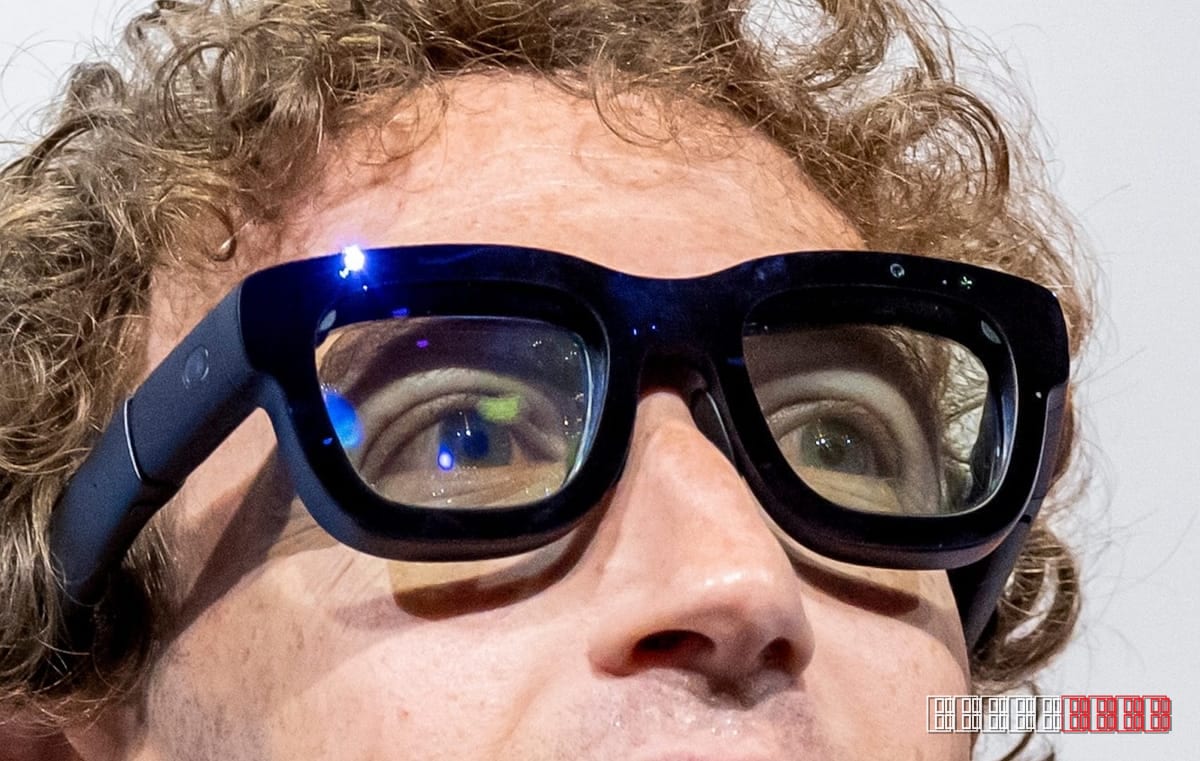
Meta is set to introduce a new version of its smart glasses that deliberately excludes a camera, a move aimed at defusing the privacy outcry that surrounded its earlier Ray‑Ban Stories product line. The announcement, reported by TechCrunch, indicates that the upcoming model will retain audio and augmented‑reality features while removing the controversial image‑capture capability.
The decision follows months of public scrutiny after users and advocacy groups labeled the original glasses as “perv glasses,” accusing Meta of enabling covert recording in public spaces. Critics argued that the built‑in camera, combined with the device’s discreet design, made it easy to film people without consent, raising legal and ethical questions.
Meta’s new offering is expected to launch later this year in the United States, targeting consumers who want hands‑free access to notifications, navigation prompts, and voice assistants without the perceived invasiveness of a camera. While the exact specifications have not been disclosed, company spokespeople have emphasized that the device will continue to support the same software ecosystem that powers the existing Ray‑Ban Stories, including integration with Meta’s social platforms.
Background: Wearable technology has repeatedly collided with privacy concerns since the early 2010s, when smart watches and fitness trackers first began collecting personal data. Smart glasses, in particular, have struggled to gain mainstream acceptance due to their ability to record video discreetly. High‑profile incidents—such as the 2023 lawsuit against a major tech firm for surreptitious filming in a retail store—have prompted regulators to examine the need for clearer labeling and consent mechanisms. Meta’s pivot reflects a broader industry trend where manufacturers either add prominent visual indicators for recording or strip cameras altogether to avoid backlash.
Analysts suggest that the camera‑free version could help Meta re‑enter markets that have been hesitant to adopt smart eyewear. By addressing the most vocal privacy objections, the company hopes to revive sales momentum and demonstrate responsiveness to consumer concerns, a strategy that may influence how other firms design future wearable devices.
This report is based on original reporting by TechCrunch. Read the original source →