Middle East tensions and US election outlook push oil prices higher
Oil climbs as Iranian officials express doubt over a pending deal and traders brace for the impact of upcoming US midterms.
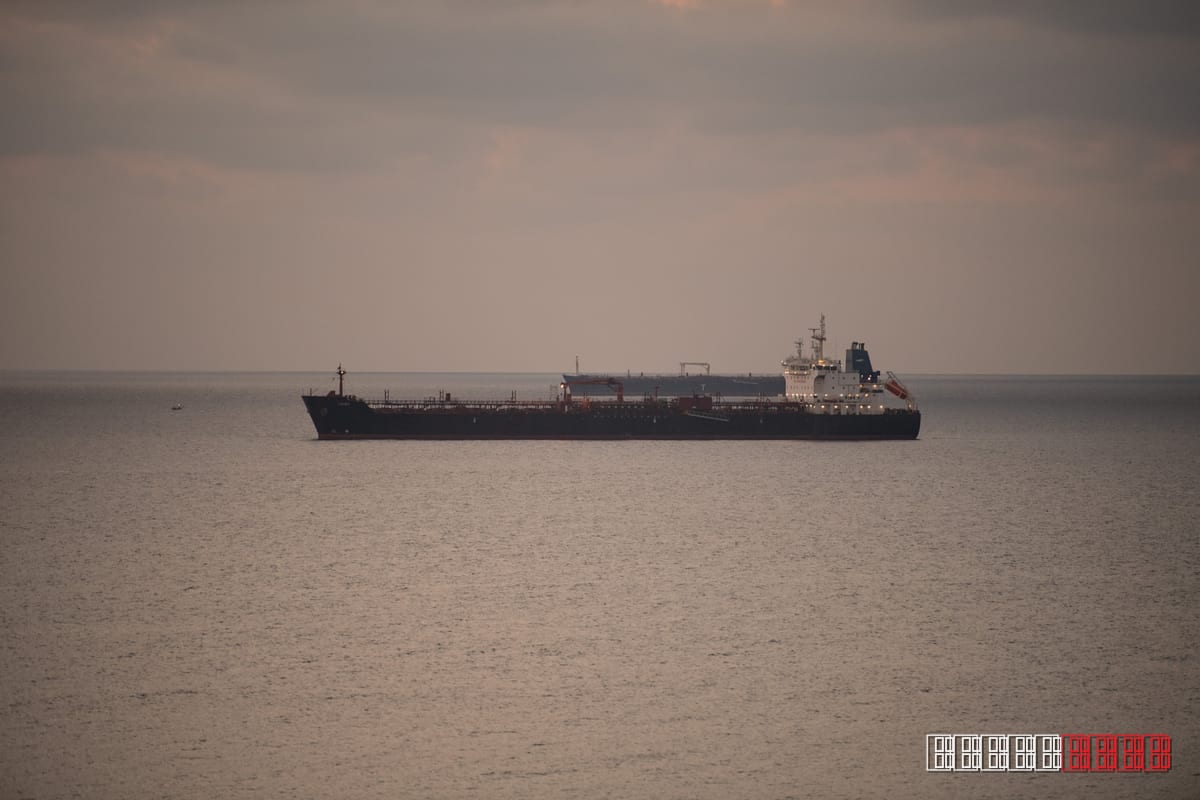
Oil markets nudged upward on Thursday, with Brent crude edging past $90 a barrel and U.S. West Texas Intermediate (WTI) trading above $86, according to CNBC. The modest gains came after reports surfaced that Iranian officials were skeptical about finalising a regional oil‑related agreement before the United States heads to its midterm elections.
The Iranian pessimism, reported by CNBC, stems from lingering disagreements over sanctions relief and shipping routes in the Strait of Hormuz. Traders interpreted the uncertainty as a signal that supply disruptions could linger, prompting a risk‑off tilt that favored higher crude prices.
Supply concerns in the Middle East have long been a catalyst for price volatility. The Strait of Hormuz, a narrow waterway through which roughly a fifth of global oil passes, remains a chokepoint vulnerable to geopolitical friction. When regional actors signal doubt about diplomatic progress, market participants often price in the possibility of reduced flow, even if actual shipments remain unchanged.
Adding to the mix, the approaching US midterm elections are expected to shape energy policy and fiscal decisions. Historically, election cycles generate speculation about future regulations, tax incentives for domestic production, and the likelihood of new climate‑related legislation. Investors therefore watch political developments closely, as any shift could alter demand forecasts for oil‑derived fuels.
The current price movement reflects a broader pattern where geopolitical headlines and domestic political calendars intersect. Higher crude prices typically translate into increased costs for airlines, shipping companies, and consumers at the pump. While the rise is modest, it underscores the market's sensitivity to any hint of supply constraints or policy uncertainty.
Looking ahead, analysts note that unless a concrete resolution emerges from Tehran or a decisive policy stance is taken in Washington, oil prices may continue to respond to the ebb and flow of political narratives. For now, the market remains on alert, balancing optimism over potential diplomatic breakthroughs against the backdrop of an election‑season risk premium.
This report is based on original reporting by CNBC. Read the original source →