Mike Leigh’s ‘Tender Loving Care’ Draws Mixed Praise for Its Intimate Portrait
Variety notes the director’s careful craftsmanship but questions the film’s emotional depth.
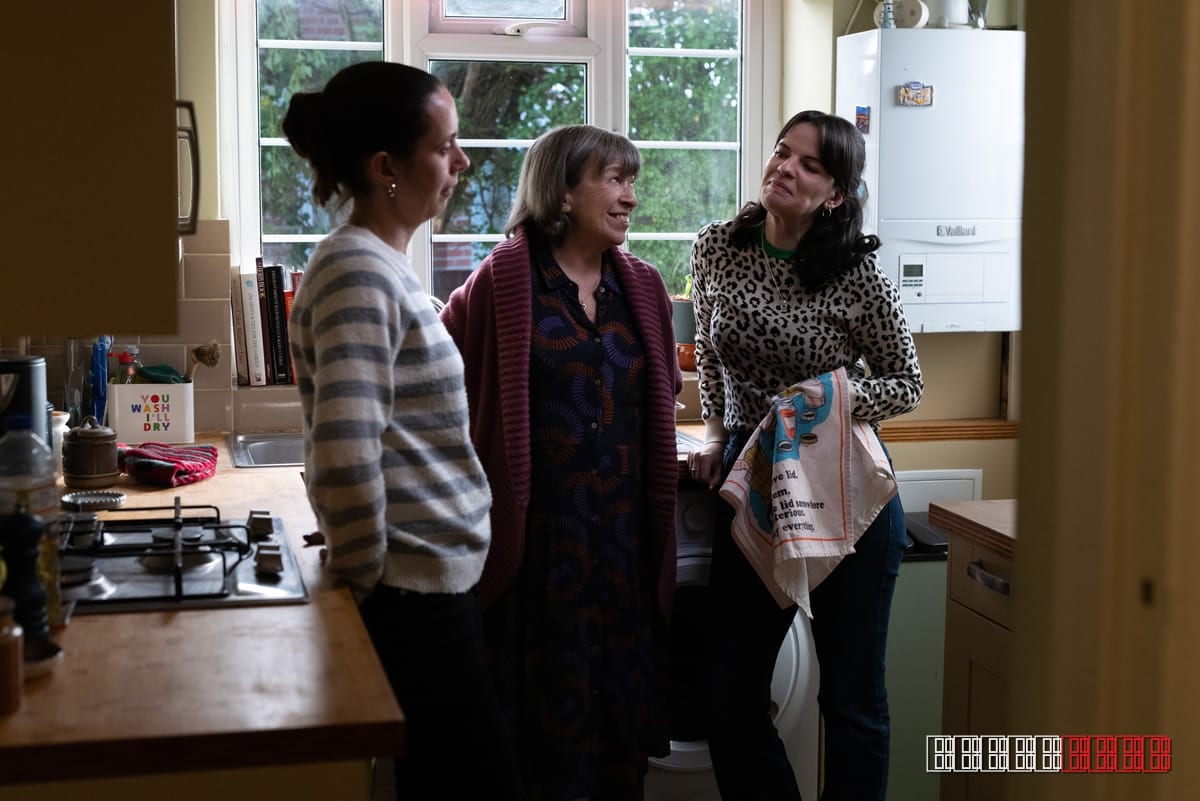
Mike Leigh’s newest drama, Tender Loving Care, arrives with the director’s trademark focus on ordinary lives, this time turning its lens toward social workers, isolated seniors and the challenges of dementia. Variety reported that Leigh “doesn’t make any wrong moves here; just about every scene in the movie plays,” highlighting his skill in extracting authentic moments from his ensemble.
The review, however, points out a structural tension. While individual scenes resonate, the film “builds (or maybe I should say recedes) to something more schematic than it is powerful,” according to Variety. In other words, the narrative’s ambition to weave a larger social commentary sometimes feels constrained by a tidy, almost didactic framework, leaving the emotional impact thinner than expected.
Leigh’s decision to set the story within the world of social services is significant. The profession has rarely been the centerpiece of mainstream cinema, and the film’s depiction of lonely hearts navigating memory loss offers a rare glimpse into a sector that operates largely behind the scenes. By foregrounding the day‑to‑day realities of caregivers and the people they support, the movie raises awareness about the systemic pressures faced by both workers and patients in an aging society.
For readers unfamiliar with Leigh’s oeuvre, the director is known for his improvisational rehearsal process, where actors develop characters over months before a single line is ever written. This method has produced acclaimed works such as Secrets & Lies (1996) and Vera Drake (2004), both of which blend social realism with intimate character studies. Tender Loving Care continues that lineage, yet its more overt thematic agenda marks a slight departure from Leigh’s typically understated storytelling.
The film’s modest box‑office expectations reflect its niche appeal, but its relevance may extend beyond ticket sales. As the United States grapples with a growing elderly population and a strained caregiving workforce, the movie’s portrayal of dementia and loneliness could spark conversations in policy circles and among advocacy groups. Whether the film’s schematic structure undermines its emotional core, as Variety suggests, it nonetheless contributes a needed narrative to the cultural conversation about aging and care.
Overall, Tender Loving Care showcases Leigh’s unerring ability to capture human nuance, even as it wrestles with the balance between intimate drama and broader social critique. Audiences seeking a quietly observant look at the lives of social workers may find value in its meticulously crafted scenes, while critics may remain divided over its overall impact.
This report is based on original reporting by Variety. Read the original source →