Nepal's flood recovery plan must focus on warning systems and safe shelters
A recent flash flood underscores the urgent need for early alerts, monitoring and protected housing across the country
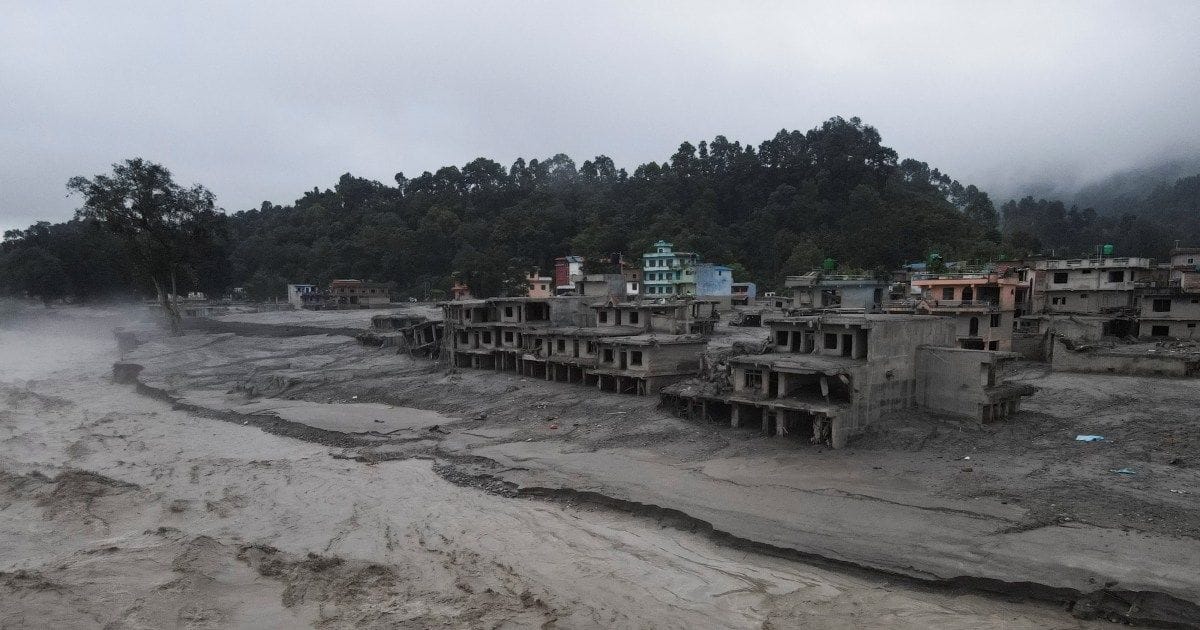
A powerful flash flood swept through Nepal’s mountainous terrain this month, leaving dozens dead, thousands displaced and critical infrastructure damaged. The disaster has reignited calls for a coordinated strategy that can warn communities before water surges, keep a constant eye on river levels and provide secure places for people to seek refuge.
Experts argue that an effective early‑warning network is the cornerstone of any flood‑risk reduction effort. By installing automated sensors on rivers and integrating them with community radio and mobile alerts, authorities could give residents precious minutes to move to higher ground. Such systems have proved successful in neighboring countries, where real‑time data has cut casualties during sudden downpours.
Beyond alerts, continuous monitoring of weather patterns and watershed conditions is essential. Satellite imagery, coupled with ground‑based gauges, can track rainfall intensity and soil saturation, allowing officials to predict flash‑flood hotspots before they materialize. Investing in these technologies would also support long‑term planning for road repairs, bridge reinforcement and land‑use zoning.
Safe shelters represent another critical gap. Many villages lack sturdy structures that can withstand fast‑moving water, forcing families to stay in vulnerable homes or makeshift camps. Constructing flood‑resilient community centers—built on raised platforms and equipped with basic supplies—would give displaced residents a reliable refuge during emergencies. Training local volunteers to manage these shelters can further enhance response speed.
International partners have pledged assistance, but the onus remains on Nepal’s government to prioritize these three pillars: early warnings, systematic monitoring and robust shelters. By channeling resources into these areas, the nation can transform its reactive disaster response into a proactive, life‑saving system, reducing the human and economic toll of future flash floods.