Netanyahu addresses UN General Assembly as global criticism rises
Israel's prime minister used his speech to the United Nations to defend his government's policies amid mounting international scrutiny.
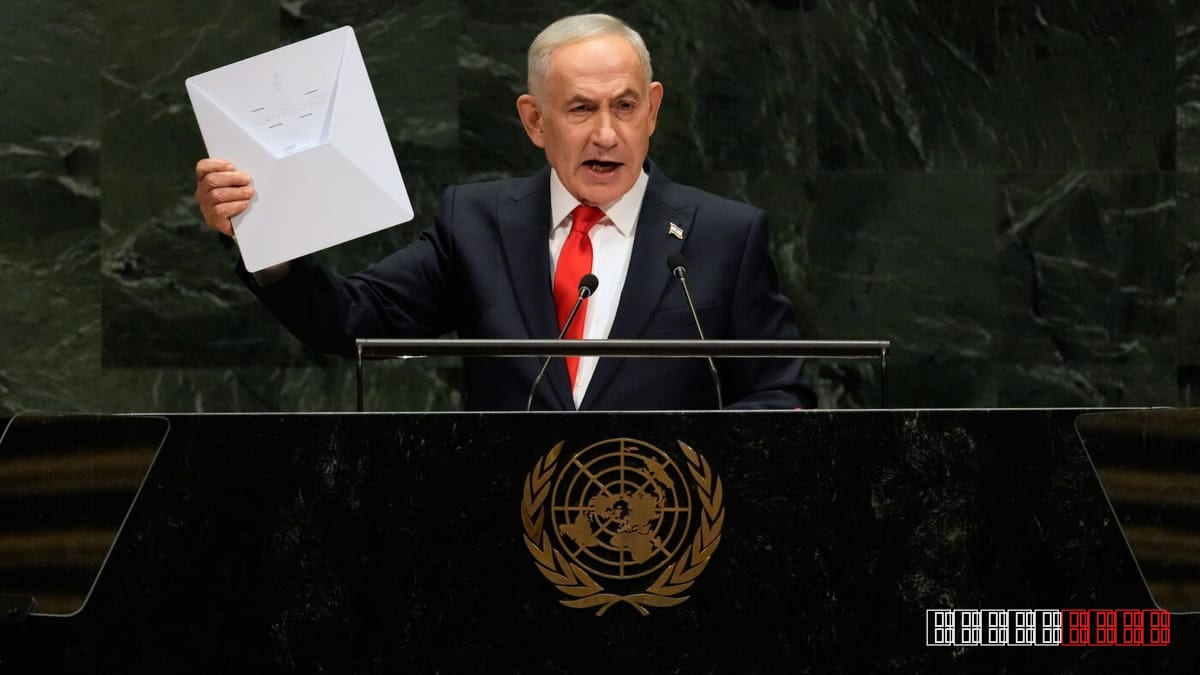
Israel's Prime Minister Benjamin Netanyahu delivered a speech to the United Nations General Assembly on Thursday, confronting a wave of criticism that has intensified over recent months, NPR reported. Speaking from the General Assembly hall, Netanyahu framed Israel's actions as essential for national security and warned that any attempt to delegitimize the state would undermine regional stability.
In his remarks, the Israeli leader highlighted the country's right to self‑defence, cited recent military operations in Gaza, and called on the international community to support Israel's fight against terrorism. He also urged member states to reject what he described as “biased narratives” that portray Israel as the sole aggressor, a point NPR noted as central to the speech.
Reactions among delegates were mixed. While a handful of countries, including the United States, offered applause, several Arab and European representatives voiced dissent, with some walking out of the session. Outside the UN headquarters, protestors gathered to denounce Israel's policies, underscoring the deep divisions that the speech illuminated, according to NPR.
The UN General Assembly provides a rare platform for heads of state to address the entire international community. Israel has historically been sparing in its use of this venue; the last Israeli prime minister to speak before the assembly was in 2015. Netanyahu’s decision to appear now reflects the heightened diplomatic pressure stemming from the ongoing conflict in Gaza, which has drawn repeated UN resolutions calling for ceasefires and humanitarian access. The speech thus arrives at a moment when the United Nations is actively debating a series of measures that could affect aid delivery and sanctions.
Analysts suggest that Netanyahu’s address may shape upcoming diplomatic negotiations. By publicly challenging perceived bias, the prime minister hopes to rally support from allies and blunt the impact of forthcoming UN resolutions that could limit Israel's military options. The United States, a long‑standing backer, has signaled continued political and military assistance, a stance that could influence the assembly’s final votes.
The episode underscores how the UN arena remains a focal point for the Israeli‑Palestinian dispute, with each speech potentially shifting the balance of international opinion. As the General Assembly moves toward its closing session, the world will watch whether Netanyahu’s appeal translates into concrete diplomatic outcomes or further entrenches the existing stalemate.
This report is based on original reporting by NPR. Read the original source →