Netanyahu brands Qatar a hostile state amid tie allegations
Israeli premier rejects claims of secret cooperation with Qatar, calling them a baseless bluff.
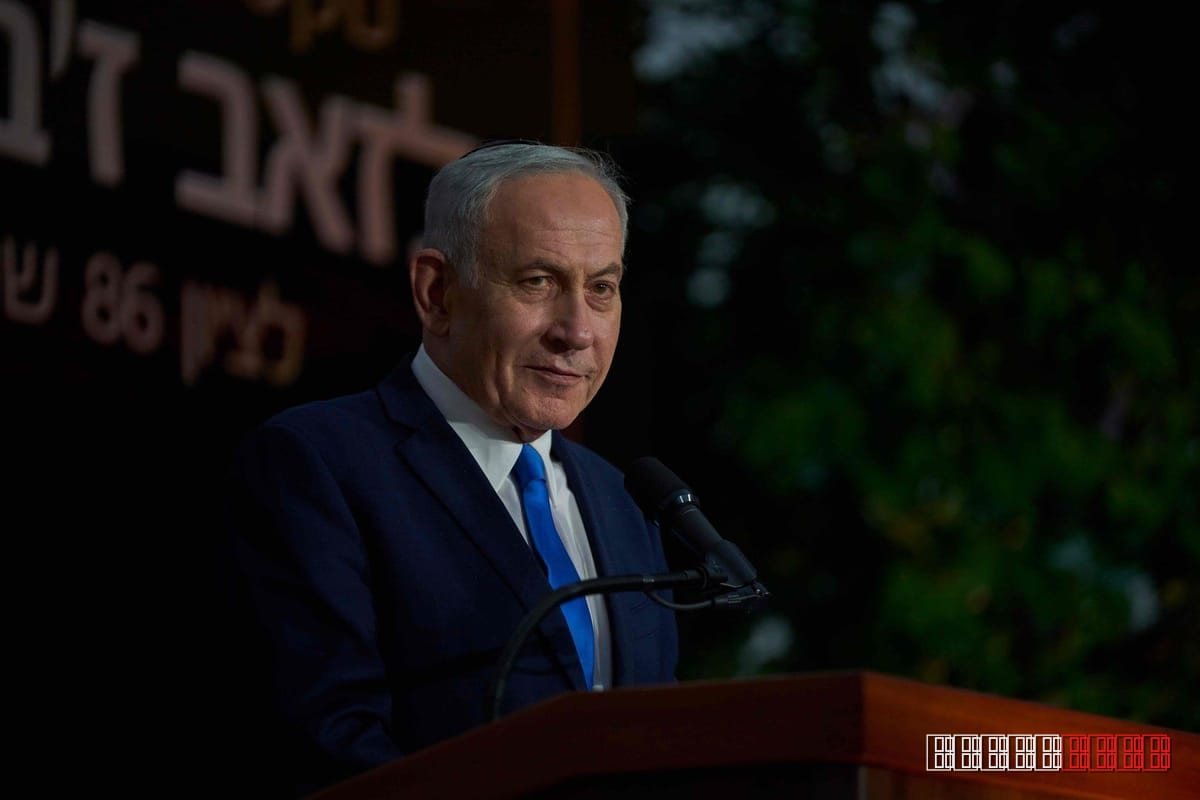
Israeli Prime Minister Benjamin Netanyahu told reporters on September 6 that Qatar is a "hostile state," rejecting recent allegations that his government maintains covert contacts with Doha. The comments were made during a press briefing in Jerusalem, where the prime minister emphasized that any suggestion of a partnership was "one big bluff," according to Al Jazeera.
The accusations surfaced after a series of media reports hinted at behind‑the‑scenes dialogue between Israeli officials and Qatari envoys on humanitarian issues in Gaza. Netanyahu dismissed the narrative as unfounded, insisting that Israel’s security policy remains unchanged and that Qatar continues to fund groups hostile to Israeli interests.
Relations between Israel and Qatar have long been strained. While Qatar has never established formal diplomatic ties with Israel, it has occasionally acted as an intermediary in cease‑fire negotiations between Israel and Hamas, a Palestinian militant group that Qatar supports financially. In 2023, Qatar hosted indirect talks that led to a temporary truce in Gaza, but the broader relationship has remained contentious, with Israeli leaders frequently accusing Doha of enabling terrorism.
Domestically, Netanyahu’s forceful language serves a dual purpose. His coalition government, which includes right‑wing and religious parties, has faced pressure to adopt a hardline stance against any perceived normalization with Arab states that support Hamas. By labeling Qatar hostile, Netanyahu reinforces his image as a security‑focused leader and pre‑empts criticism from coalition partners who view any engagement with Doha as a betrayal.
International observers have noted that the statement could complicate regional diplomatic efforts. The United States, which has encouraged back‑channel communications to ease humanitarian suffering in Gaza, may find its mediation role hampered. Meanwhile, Gulf allies such as Saudi Arabia and the United Arab Emirates, which have been moving toward limited cooperation with Israel, are likely to monitor the rhetoric closely.
Analysts suggest that the next steps could involve a tightening of Israel’s diplomatic isolation of Qatar, possibly including sanctions or the suspension of any informal contacts. However, the pragmatic need to address the humanitarian crisis in Gaza may still drive discreet negotiations, underscoring the complex balance between political posturing and on‑the‑ground realities.
This report is based on original reporting by Al Jazeera. Read the original source →