Netanyahu’s covert UAE stop sparks six‑hour talks on Iran and ties
The United Arab Emirates confirmed a secret meeting with Israel’s prime minister, focusing on Iran and the future of bilateral relations.
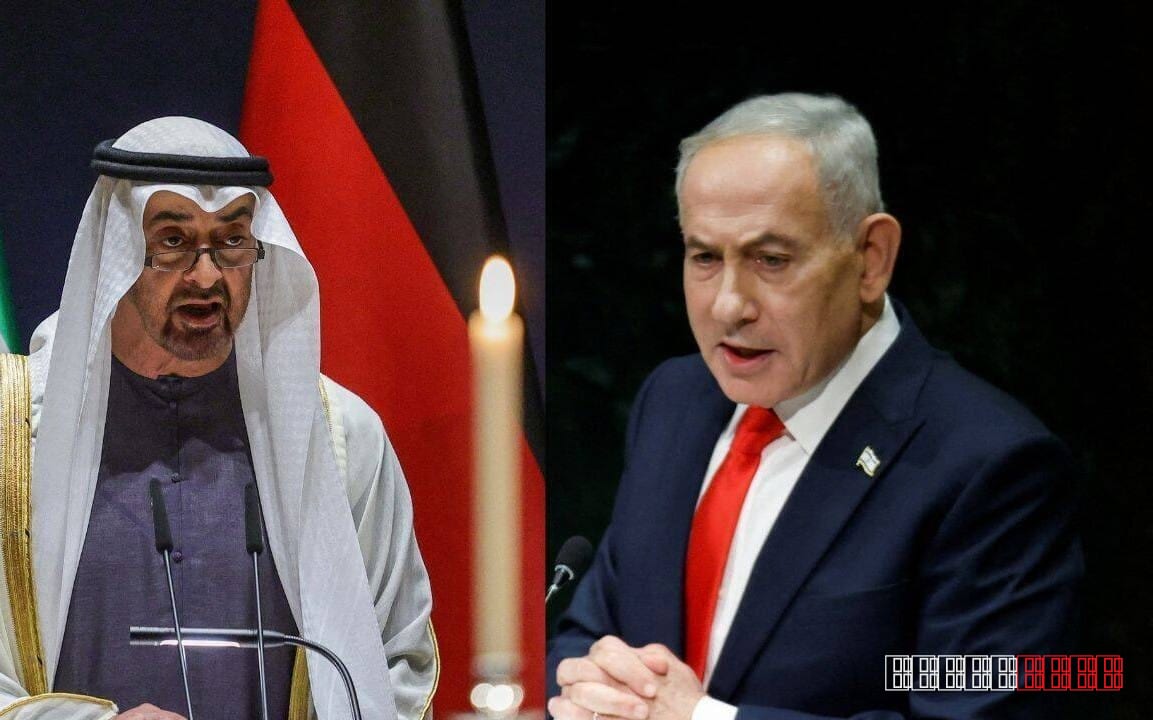
The United Arab Emirates has officially acknowledged that Israeli Prime Minister Benjamin Netanyahu made an unannounced visit to Abu Dhabi, where he spent roughly six hours in talks with Emirati officials, according to the Times of India. The discussion, the source says, centered on Tehran’s regional activities and the next steps in the budding Israel‑UAE partnership.
Both sides reportedly exchanged views on how to counter what they described as Iran’s destabilising behaviour, while also reviewing progress on trade, technology and security cooperation that has been building since the 2020 Abraham Accords. The Accords, which normalized relations between Israel and several Gulf states, marked a historic shift in Middle‑East diplomacy and opened the door for joint projects ranging from renewable energy to cyber‑defence.
The secrecy of the visit surprised many observers, as Netanyahu’s schedule had not indicated any travel to the Gulf in recent weeks. Emirati officials said the meeting was “productive” and underscored a shared interest in curbing Iran’s influence, a stance that aligns with the United States’ broader regional strategy. While details of any agreements remain undisclosed, the timing suggests both governments are keen to solidify cooperation ahead of upcoming regional security summits.
Historically, Israel and the UAE have moved from adversaries to strategic partners within a few years, a transition driven by common concerns over Iran’s nuclear ambitions and its support for proxy groups. The secret nature of this encounter reflects the delicate balance the two nations maintain: they must reassure domestic audiences while advancing a pragmatic security agenda. Analysts note that such high‑level dialogues, even when kept low‑key, often lay the groundwork for formal agreements on intelligence sharing and joint military drills.
India, which maintains close ties with both Israel and the UAE, is watching the development closely. Stability in the Gulf is critical for Indian energy imports and the sizable Indian expatriate community living there. Any shift in the Israel‑UAE dynamic could ripple through trade routes and affect regional security calculations that involve New Delhi’s own strategic interests.
The meeting underscores how the Abraham Accords continue to reshape diplomatic calculations in the Middle East, turning former rivals into collaborators against shared threats. As Tehran’s policies remain a focal point for regional powers, secret talks like these may become a regular feature of the evolving security architecture.
This report is based on original reporting by Times of India. Read the original source →