Nor'easter exposes historic shipwreck off Nantucket shoreline
A recent storm uncovered a long‑buried vessel near Nantucket, prompting archaeological investigation and local curiosity.
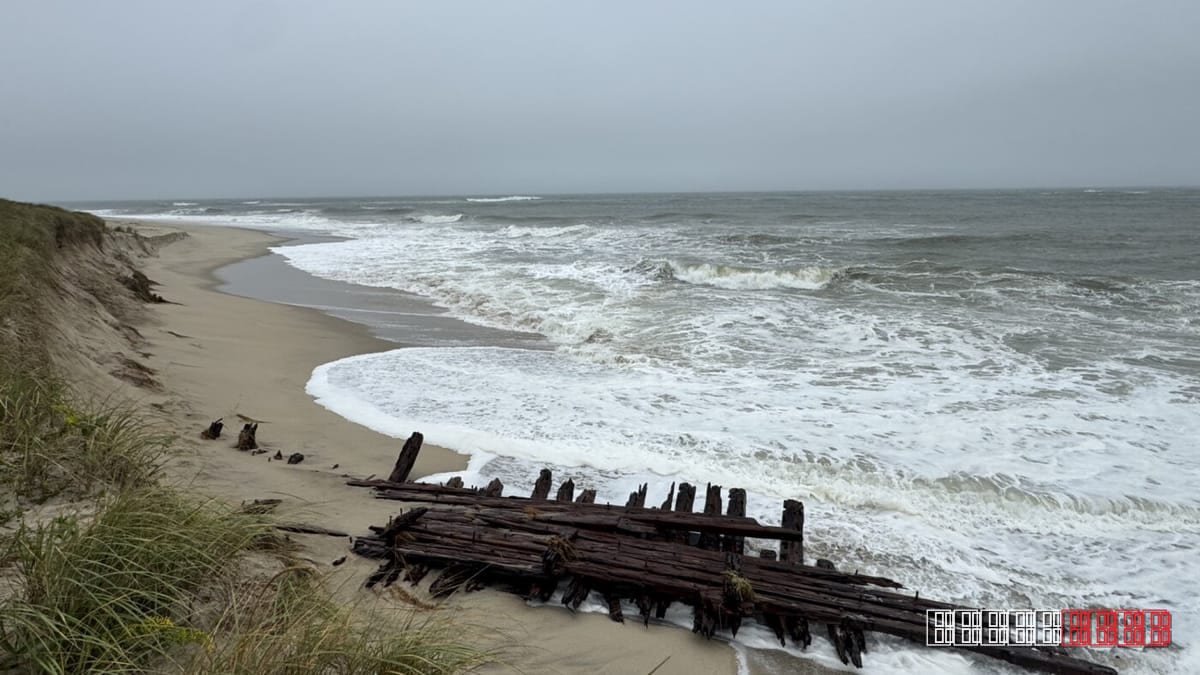
A powerful Nor'easter that battered the New England coast last week has revealed the remains of a ship long thought lost beneath the sand on Nantucket’s southern beaches. According to NPR, a tip from a local resident who spotted the wreckage sparked a rapid response from the island’s historical society and state marine archaeologists.
The storm’s high winds and surge stripped away decades of dune vegetation, exposing timbers and iron fittings that protruded from the shoreline. The discoverer, who wished to remain anonymous, sent photographs to the Nantucket Independent, which then alerted the Massachusetts Historical Commission. Teams arrived within days, documenting the site and beginning a careful excavation to determine the vessel’s age and origin.
Preliminary assessments suggest the wreck could date to the 18th or early 19th century, a period when Nantucket thrived as a hub for the whaling industry. If confirmed, the find would add to a modest catalog of known shipwrecks in the region, many of which have been lost to shifting sands and tidal erosion. “Every shipwreck offers a snapshot of maritime trade, technology, and daily life at the time it sank,” said a spokesperson for the state’s Underwater Archaeology Program, as quoted by NPR.
Nor'easters are notorious for reshaping coastal landscapes across the Atlantic seaboard. Their combination of strong onshore winds, heavy precipitation, and storm surges can dramatically alter beaches, sometimes uncovering archaeological sites that have lain hidden for centuries. In recent decades, similar storms have revealed historic artifacts in places like Cape Cod and the Outer Banks, prompting renewed interest in coastal preservation and the challenges of protecting submerged cultural resources.
The Nantucket discovery underscores the delicate balance between natural forces and heritage conservation. While the storm has provided a rare glimpse into the island’s maritime past, experts warn that exposure also makes the wreck vulnerable to looting and accelerated decay. Ongoing monitoring and a possible protective enclosure are being considered to safeguard the site while researchers work to piece together its story.
Local residents, many of whom are descendants of early whalers, have expressed excitement at the prospect of learning more about their ancestors’ seafaring legacy. The find may also boost heritage tourism, offering guided tours and educational programs once the wreck is fully documented and preserved.
This report is based on original reporting by NPR. Read the original source →