North London zebra crossing turned Beatles’ Abbey Road into a visual landmark
The 1969 photograph by Iain Macmillan captures a simple street scene that became one of the most reproduced images in music history.
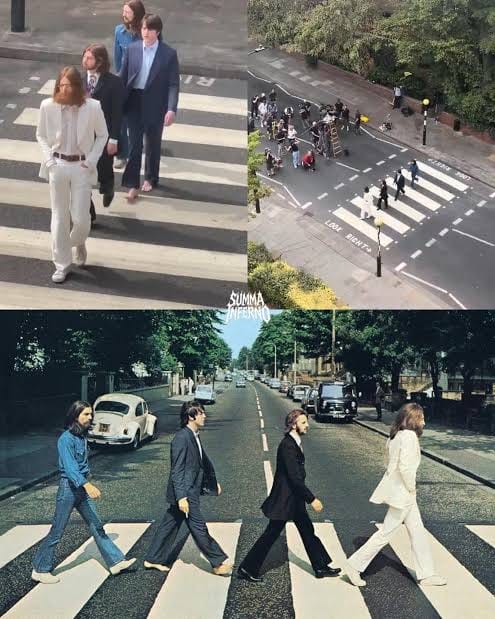
On a bright August day in 1969, photographer Iain Macmillan stepped onto a pedestrian crossing on Abbey Road in north London and snapped what would become an instantly recognizable piece of pop‑culture. The black‑and‑white zebra stripes and the white line that runs down the centre of the receding road frame the four members of the Beatles as they walk toward a sky that fades into a perfect blue. Behind them, summer trees spread a fresh green canopy over modest brick houses, a backdrop that some observers liken to a David Hockney‑style hyperreal landscape.
The composition is deceptively simple. The road’s perspective draws the eye forward, while the crisp crossing lines add a graphic clarity that makes the image feel both contemporary and timeless. It is this visual balance that has allowed the picture to be endlessly copied, parodied, and referenced across media for more than five decades. Each new rendition—whether in advertising, cartoons, or tribute albums—recreates the dynamic between ordinary pedestrians and a band that, at the time, had already achieved transcendental fame.
Macmillan’s brief exposure to the scene lasted only seconds; he had to return to his flat before the police arrived. Yet the timing was perfect. The Beatles were in the final stages of recording Abbey Road, and the photograph was selected for the album’s front cover, cementing the crossing’s place in music history. The image’s lasting appeal lies not only in the fame of its subjects but also in the everyday setting that makes the moment feel accessible to anyone who has walked a city street.
Today, the crossing remains a pilgrimage site for fans worldwide, who pause beneath the same sky and trees that framed the original shot. The street’s unassuming architecture, combined with the band’s iconic stride, continues to symbolize a moment when ordinary life intersected with cultural mythology, turning a simple road crossing into an enduring visual emblem.