North Sea energy projects await Prime Minister's decision
Oil and gas firms press the UK government to green‑light two contested North Sea developments as the consultation on the country's biggest untapped oil field draws to a close.
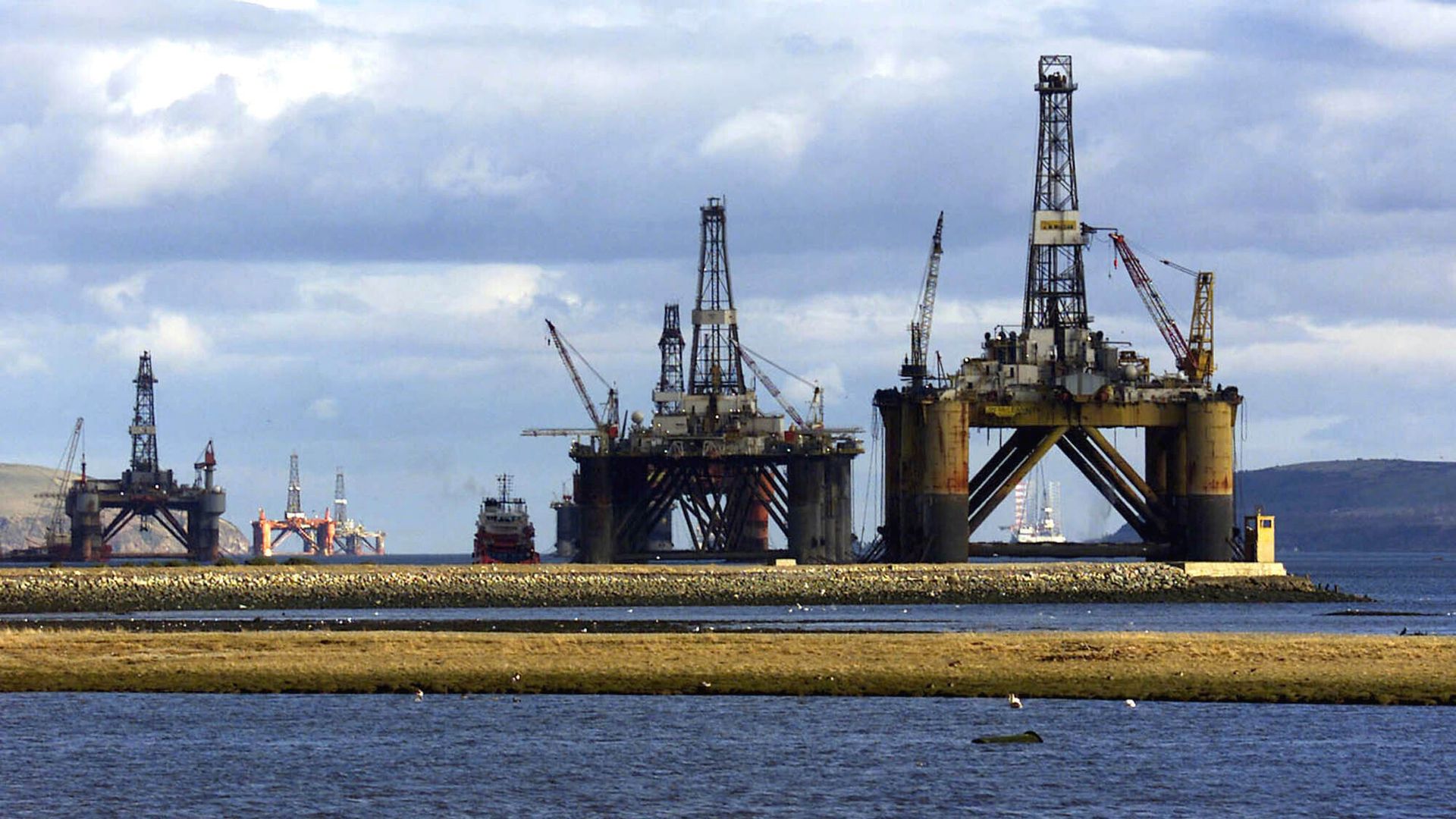
The oil and gas sector is urging the UK Prime Minister to give the final go‑ahead to two high‑profile North Sea projects that have become flashpoints in the national energy debate. Industry representatives describe the pending decision as a "life and death" moment for the sector, arguing that swift approval is essential to maintain energy security and protect jobs.
Both developments are slated for the North Sea, a region that has supplied the United Kingdom with the bulk of its oil and gas for decades. The projects have drawn criticism from environmental groups because they would add new fossil‑fuel capacity at a time when the government is pledging to cut emissions dramatically. The controversy is heightened by the fact that a public consultation on the country's largest undeveloped oil field – the field that could add billions of barrels to the national reserve – is set to close within days.
The government's review process balances the need for reliable power with its legally binding net‑zero target for 2050. Officials have said they will consider the economic benefits of the projects alongside the climate commitments outlined in recent policy papers. The consultation period, which invited comments from industry, NGOs and the public, is part of a broader assessment of whether new offshore extraction aligns with the UK's long‑term energy strategy.
Industry bodies contend that delaying the projects could jeopardise thousands of jobs and weaken the country's ability to meet short‑term energy demand, especially as Europe grapples with supply uncertainties. Opponents counter that approving additional oil and gas capacity would lock in emissions for decades and undermine the transition to renewable sources. The final decision, expected in the coming weeks, will signal how the UK intends to reconcile its energy security concerns with its climate ambitions.
Original reporting: Sky News.