Novartis' cholesterol trial miss intensifies competition for Lp(a) therapies
The setback in Novartis' late‑stage study puts pressure on Amgen and Eli Lilly as they chase drugs that lower lipoprotein(a) to curb heart disease.
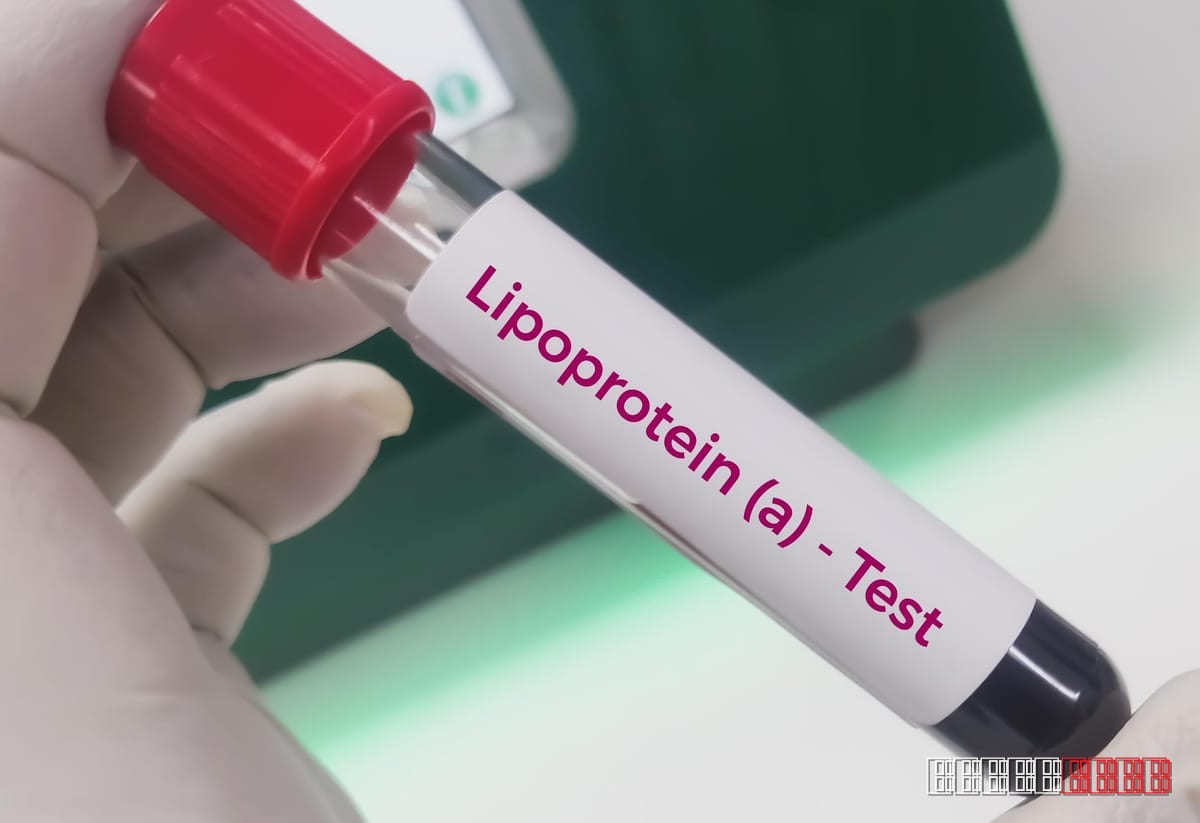
Novartis announced that its experimental cholesterol‑lowering compound, designed to cut levels of lipoprotein(a) – often abbreviated Lp(a) – failed to achieve its primary efficacy endpoint in a Phase 3 trial, CNBC reported. The drug, which had been positioned as a potential breakthrough for patients with elevated Lp(a) and high cardiovascular risk, did not demonstrate the expected reduction in heart‑attack or stroke events compared with standard care.
The disappointment reshapes a competitive landscape that already includes late‑stage programs from Amgen and Eli Lilly. Both firms have advanced candidates that aim to lower Lp(a) by targeting the same biological pathway, and they now face a clearer path to market if their trials succeed. Analysts note that a successful Lp(a) therapy could unlock a multibillion‑dollar market, given that roughly one in five people carry genetically high Lp(a) levels, a factor linked to a 20‑30 % increase in cardiovascular events.
Lipoprotein(a) has long been a challenging target. Unlike LDL cholesterol, which can be managed with statins and newer PCSK9 inhibitors, Lp(a) is largely determined by genetics and does not respond well to existing drugs. The first therapy to specifically lower Lp(a) – an antisense oligonucleotide from Ionis Pharmaceuticals partnered with Pfizer – received regulatory approval in the United States earlier this year, setting a precedent and spurring other companies into accelerated development.
Novartis' trial failure underscores the scientific hurdles still present. While the company had hoped its molecule would offer a more convenient dosing schedule and broader efficacy, the data suggest that achieving meaningful cardiovascular benefit may require deeper or more sustained reductions in Lp(a) than the drug could provide. The result also serves as a reminder to investors that drug development timelines remain uncertain, even for therapies addressing well‑defined biomarkers.
Looking ahead, Amgen and Eli Lilly will likely intensify their own trial readouts, with results expected later this year or early next. Should either program meet its endpoints, the market could see a rapid shift toward Lp(a)‑targeted treatment strategies, potentially reshaping standard care for millions of patients at risk of heart attacks and strokes.
This report is based on original reporting by CNBC. Read the original source →