Novartis shares tumble as del‑desiran trial falls short
The Swiss drugmaker’s stock slid almost 10% after its experimental therapy missed key endpoints, adding to a string of recent trial setbacks.
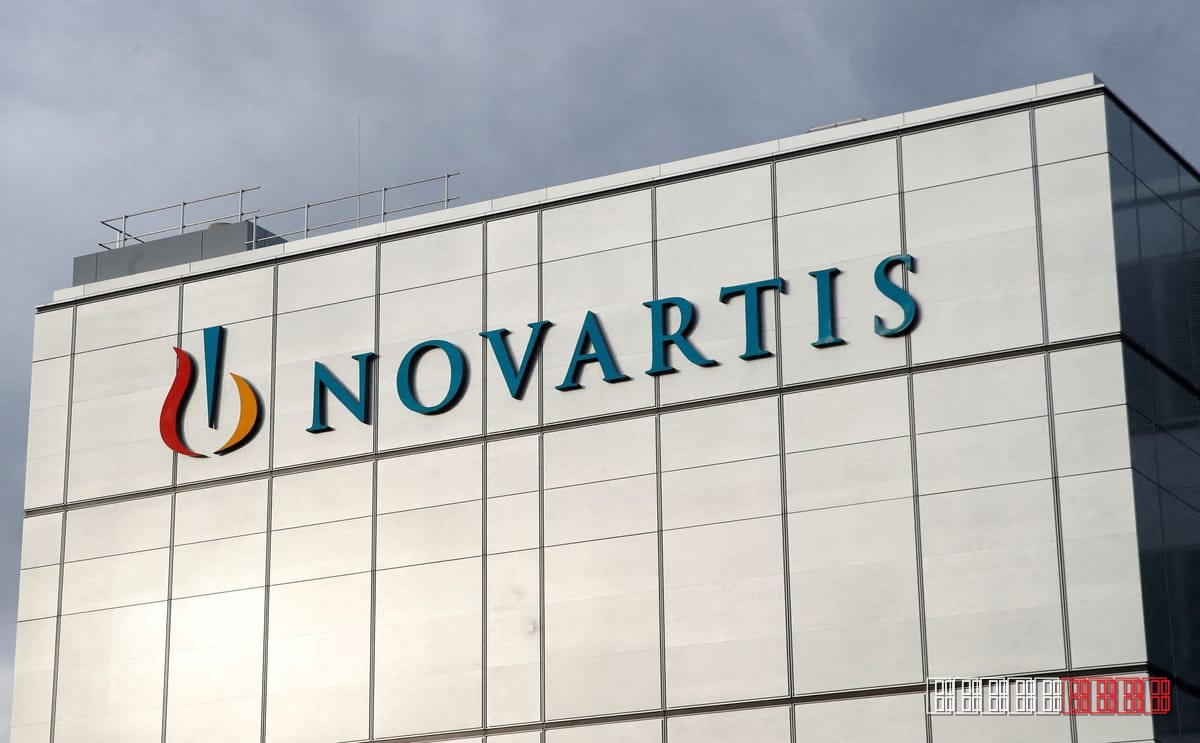
Novartis AG saw its shares plunge nearly 10% on Tuesday, putting the company on track for its steepest single‑day loss in recorded history, according to CNBC. The decline followed the release of data from a Phase III study of del‑desiran, an investigational treatment aimed at a rare kidney disorder, which failed to meet its primary efficacy endpoints. Investors reacted sharply, wiping out billions of dollars in market value.
The disappointing results represent the latest in a series of clinical setbacks for the pharmaceutical giant. CNBC reported that two other experimental drugs in Novartis’s pipeline have also encountered hurdles this year, compounding concerns about the firm’s growth outlook. Analysts note that repeated trial failures can erode confidence in a company’s ability to deliver new revenue streams, especially when existing blockbuster products face generic competition.
Del‑desiran was designed to slow the progression of autosomal dominant polycystic kidney disease (ADPKD), a condition that currently has limited treatment options. The trial enrolled over 500 patients across North America and Europe, but the drug did not achieve statistically significant improvements in kidney volume reduction, the primary measure of disease progression. While secondary outcomes showed modest trends, they were insufficient to offset the primary shortfall.
Clinical trial failures are not uncommon in the biotech sector, where the probability of a drug reaching market after Phase III is roughly 30% according to industry data. When a high‑profile company like Novartis experiences multiple misses, the ripple effect can influence broader market sentiment toward the sector. Investors often reassess the risk‑reward balance of other pipeline candidates, potentially delaying funding for future research.
Novartis has pledged to continue its R&D investments, emphasizing other late‑stage programs in oncology and immunology that remain on track. The company’s leadership also indicated that the del‑desiran data will be reviewed to determine whether a revised dosing regimen or patient selection criteria could salvage the asset. In the meantime, the stock’s sharp fall underscores the volatility that can accompany biotech announcements, reminding shareholders that drug development remains a high‑stakes endeavor.
For patients with ADPKD, the setback postpones the prospect of a new therapeutic option, leaving them reliant on existing treatments that only modestly slow disease progression. The episode highlights the broader challenge of translating promising early‑stage research into effective, market‑ready medicines.
This report is based on original reporting by CNBC. Read the original source →