Nvidia boosts AI leadership by reshaping data‑center traffic flow
The chipmaker is turning to smarter system architecture to improve efficiency, moving its AI edge beyond raw GPU power.
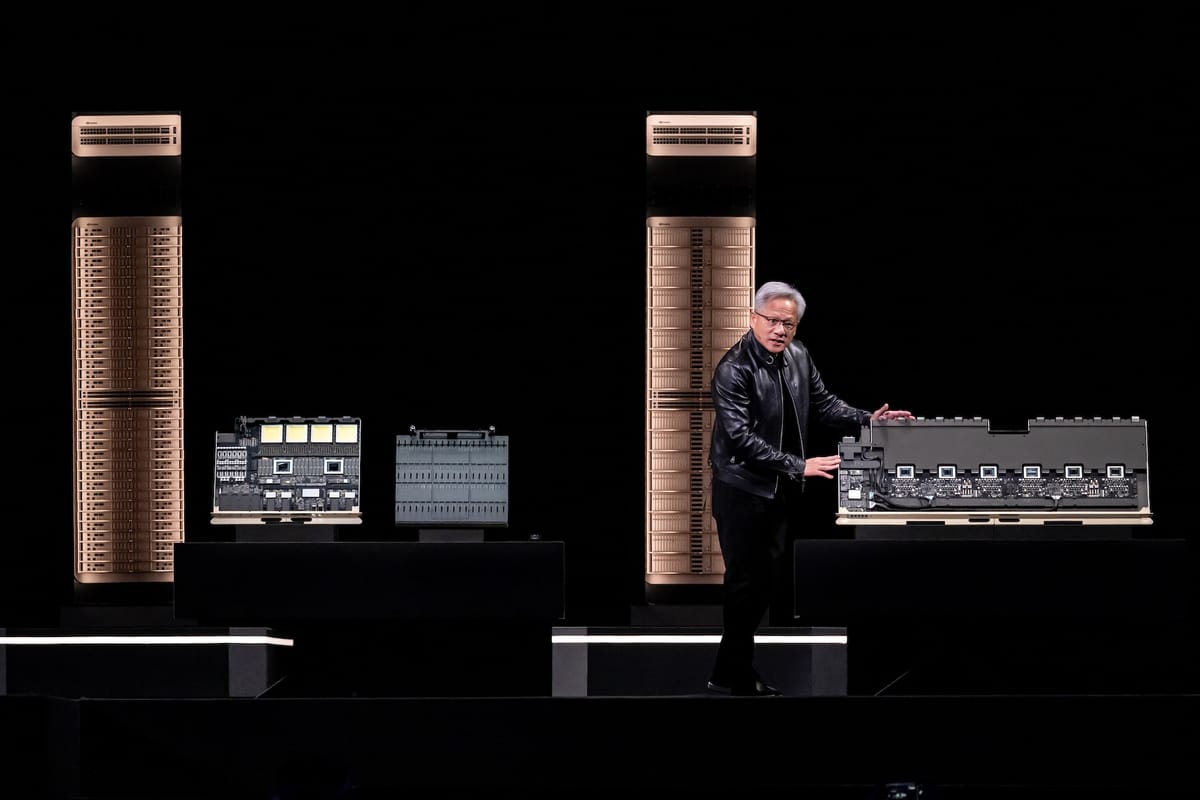
Nvidia is charting a new course for its artificial‑intelligence dominance by focusing on the way data moves inside modern data‑center systems. While the company’s graphics processors have long been the cornerstone of AI workloads, the latest generation of its infrastructure solutions emphasizes intelligent traffic control rather than simply adding more compute cycles.
The shift reflects a broader industry trend where efficiency gains are increasingly derived from software‑defined networking, optimized interconnects, and dynamic workload scheduling. Nvidia’s recent hardware releases integrate these capabilities, allowing AI models to access the right data at the right time with minimal latency. By coordinating how tensors travel across GPUs, CPUs and storage, the firm claims to cut power consumption and improve throughput without relying on larger silicon.
Beyond the silicon, Nvidia is extending its AI stack with tools that automate resource allocation and balance demand across clusters. These software layers monitor real‑time usage patterns and redirect traffic to under‑utilized units, reducing bottlenecks that traditionally required over‑provisioning of GPUs. The approach promises data‑center operators a more predictable cost profile while preserving the performance edge that Nvidia’s GPUs provide.
Analysts see the move as a natural evolution for a company that has already invested heavily in high‑speed interconnects and networking hardware. By coupling those assets with smarter traffic orchestration, Nvidia aims to keep its AI advantage intact even as competitors improve raw processing power. The strategy could also open new revenue streams in AI‑as‑a‑service offerings, where efficiency translates directly into lower subscription fees for cloud customers.
In practice, the new generation of Nvidia‑powered systems is already being deployed in large‑scale AI research labs and enterprise clouds. Early reports suggest noticeable reductions in energy use and faster model training times, confirming that the company’s bet on smarter traffic control is paying off. As AI workloads continue to grow, Nvidia’s emphasis on system‑level intelligence may prove as critical as the GPUs themselves.