Odisha denies remission for Dara Singh in Graham Staines murder case
The state told the Supreme Court it will not reduce the life sentence of the convicted killer, maintaining the 2005 court order.
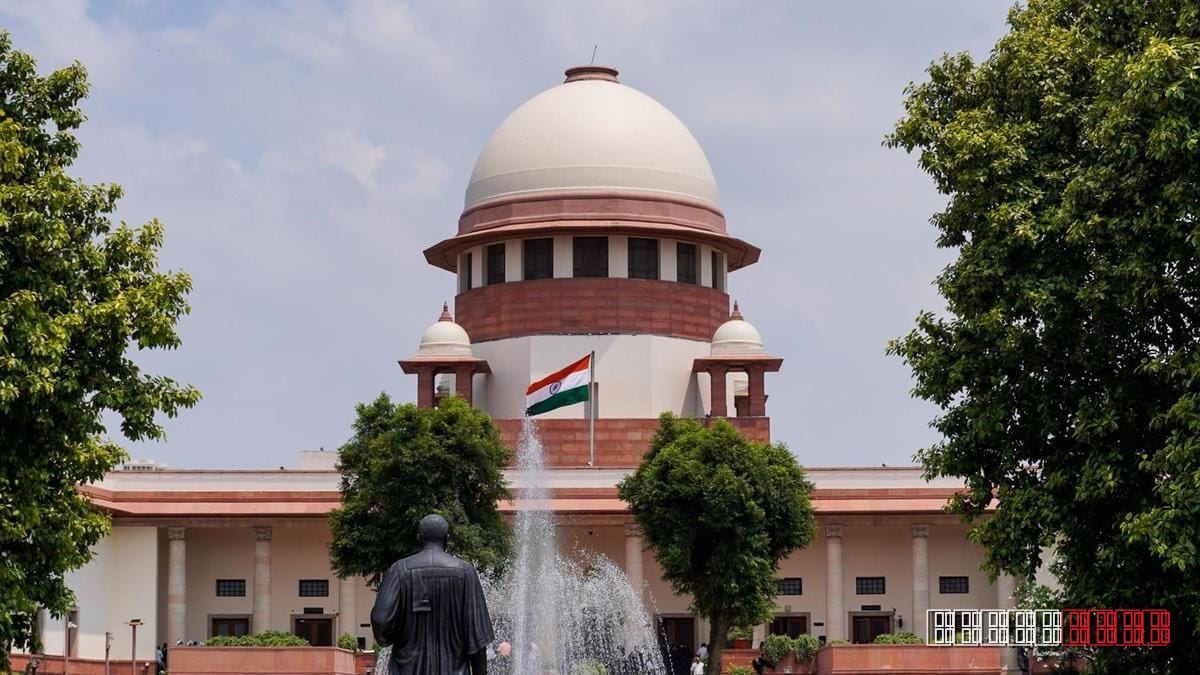
The Odisha government has formally opposed a remission plea filed by Dara Singh, the sole survivor of the 1999 attack that killed missionary Graham Staines and his two young sons. In a filing before the Supreme Court, the state argued that the conviction and life‑term sentence should stand, rejecting Singh’s request for a reduced term.
According to The Hindu, the Orissa High Court had already commuted Singh’s original death penalty to life imprisonment in 2005, a decision that the Supreme Court later upheld in 2011. The current plea seeks to shorten the remaining years of incarceration, but officials say the gravity of the crime and its communal impact preclude any leniency.
The Staines case remains one of India’s most high‑profile instances of religious‑based violence. Graham Staines, an Australian missionary, was burned alive along with his nine‑ and seven‑year‑old sons in a truck outside the village of Dongria in Kalahandi district. The incident sparked nationwide outrage and highlighted the vulnerability of minority Christian communities in tribal regions of Odisha.
Legal proceedings stretched over two decades. After a lengthy trial, the special CBI court convicted Dara Singh and three others, sentencing them to death. The subsequent commutation to life imprisonment reflected a broader judicial trend of sparing the death penalty in cases where the court deemed the punishment excessive, especially after the Supreme Court’s 2009 guidelines on capital punishment.
The Supreme Court’s upcoming hearing will determine whether Singh’s remission request can be entertained. If denied, he will continue to serve a life term, which under Indian law typically means imprisonment for the remainder of his natural life unless a future remission is granted. The decision will also signal how the judiciary balances calls for clemency against the need for deterrence in communal hate crimes.
Human rights observers note that the case remains a touchstone for discussions on religious freedom, minority protection, and the use of capital punishment in India. The outcome could influence future petitions from convicted individuals linked to sectarian violence, underscoring the judiciary’s role in shaping the nation’s response to such offenses.
This report is based on original reporting by The Hindu. Read the original source →