OECD trims UK growth outlook for 2025 amid rising energy costs
The OECD now sees the British economy expanding by just 0.3% next year, down from earlier expectations, as energy price pressures mount.
The Organisation for Economic Co‑operation and Development has lowered its projection for the United Kingdom’s gross domestic product growth in 2025 to 0.3%, according to BBC News. The revision cuts the previous estimate of around 0.7% and reflects a range of headwinds that have emerged over the past months.
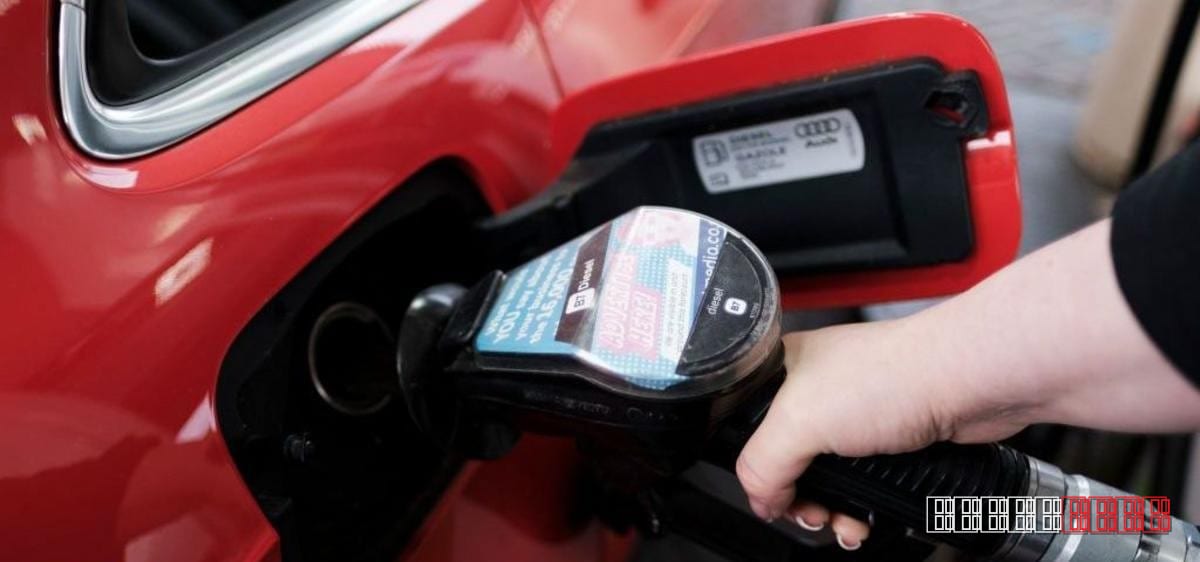
BBC News reports that the OECD highlighted higher energy prices as a key factor dampening growth. The agency linked the price surge to the ongoing conflict in the Middle East, which has disrupted oil supplies, and to the broader challenges of climate‑related policy shifts that are raising costs for businesses and households alike.
The new forecast arrives at a time when the UK is still grappling with the economic fallout of Brexit, the COVID‑19 pandemic, and a series of monetary‑policy tightening cycles. Inflation remains above the Bank of England’s target, prompting the central bank to keep interest rates elevated, which in turn squeezes consumer spending and corporate investment.
Background context The OECD’s outlook is part of its annual economic survey, a benchmark that governments and investors watch closely. Historically, the organization’s forecasts have been revised multiple times a year as new data on trade, fiscal policy, and external shocks become available. For the UK, a slower growth path signals tighter fiscal space for the government, potentially limiting its ability to fund public services or cut taxes without raising borrowing. It also raises concerns for the labour market, where wage growth has struggled to keep pace with price rises, and for regions that depend heavily on energy‑intensive industries.
Analysts note that the UK’s growth trajectory is now more closely aligned with other advanced economies that are also feeling the strain of higher energy bills and supply‑chain disruptions. While the OECD cautions that the outlook could improve if energy markets stabilise or if climate‑friendly investments accelerate, the immediate picture suggests a modest expansion that will test the resilience of households and businesses alike.
The revised forecast underscores the importance of policy responses that can mitigate energy price volatility, support sustainable investment, and protect vulnerable consumers as the nation navigates a challenging macro‑economic environment.
This report is based on original reporting by BBC News. Read the original source →