Panama Canal Caps Vessel Passages as Hormuz Tensions Escalate
The canal has imposed limits on daily transits after the Strait of Hormuz crisis threatened alternative routes, raising concerns over shipping delays and freight costs.
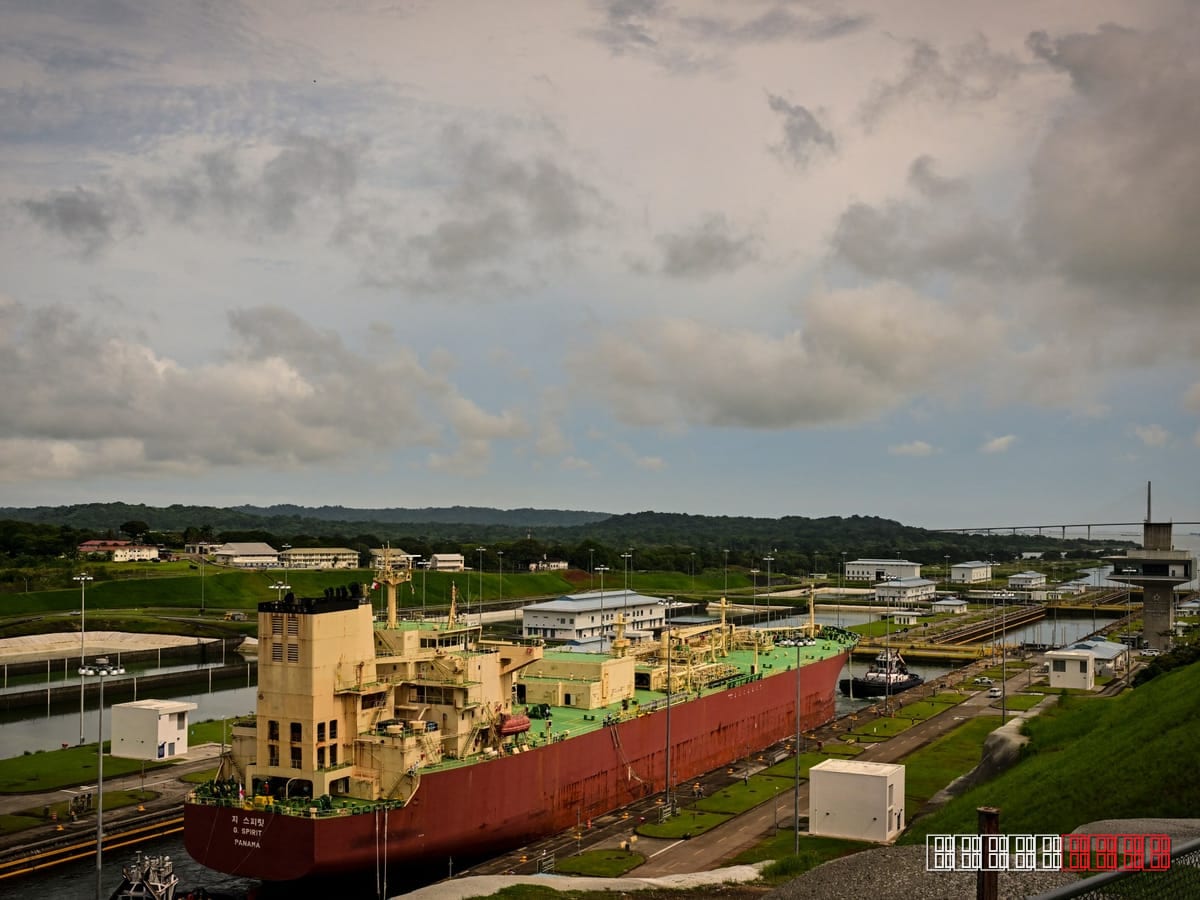
The Panama Canal Authority announced on Saturday that it will temporarily reduce the number of ships allowed to transit the waterway each day, a move directly linked to the escalating security situation in the Strait of Hormuz. According to Al Jazeera, the restriction aims to preserve canal capacity for vessels that cannot safely reroute around the Persian Gulf, where Iranian‑U.S. confrontations have heightened the risk of attacks on commercial traffic.
The decision follows a sharp rise in reports of missile launches and naval confrontations near Hormuz, a chokepoint that handles roughly a fifth of the world’s oil shipments. Shipping companies that normally rely on the strait to move crude and petroleum products to Asian markets are now forced to consider longer, costlier journeys through the Suez Canal or around Africa’s Cape of Good Hope. By limiting canal traffic, officials hope to keep a buffer of empty slots for those vessels forced to take the longer detour, preventing a backlog that could cripple global supply chains.
The Panama Canal processes about 13,000 transits annually, moving more than $5 trillion worth of goods each year. Its lock system can accommodate a wide range of ship sizes, from container carriers to bulk carriers, making it a critical alternative when other routes are disrupted. Historically, the canal has adjusted its scheduling during crises—such as the 2021 Suez blockage—but a sustained reduction in daily slots is unprecedented in recent decades. The current limit, which cuts daily transits by roughly 20 percent, is expected to remain in place until the Hormuz situation stabilises, according to the canal’s management.
Industry analysts warn that the combined effect of Hormuz volatility and Panama’s traffic caps could push freight rates higher, especially for oil‑laden tankers and time‑sensitive container ships. Consumers may see the impact in the form of higher fuel prices and delayed deliveries of goods ranging from electronics to agricultural products. While the canal’s revenue is projected to dip modestly this quarter, the authority emphasizes that preserving the safety of vessels and crews is the top priority.
The Hormuz crisis underscores the fragility of global maritime logistics, where a single flashpoint can ripple through multiple trade corridors. Nations and corporations are now re‑evaluating their supply‑chain strategies, with some accelerating investments in alternative routes, such as overland pipelines and rail links, to hedge against future disruptions.
Stakeholders are watching closely as diplomatic efforts aim to de‑escalate tensions in the Persian Gulf. Should a resolution be reached, the Panama Canal could gradually lift its restrictions, restoring the flow of goods that underpins much of the world’s commerce.
This report is based on original reporting by Al Jazeera. Read the original source →