Paramount's Antitrust Negotiations Stall as Some State AGs Demand Harder Concessions
Talks between Paramount and a 12‑state attorneys‑general coalition remain unresolved, with several officials urging tougher remedies.
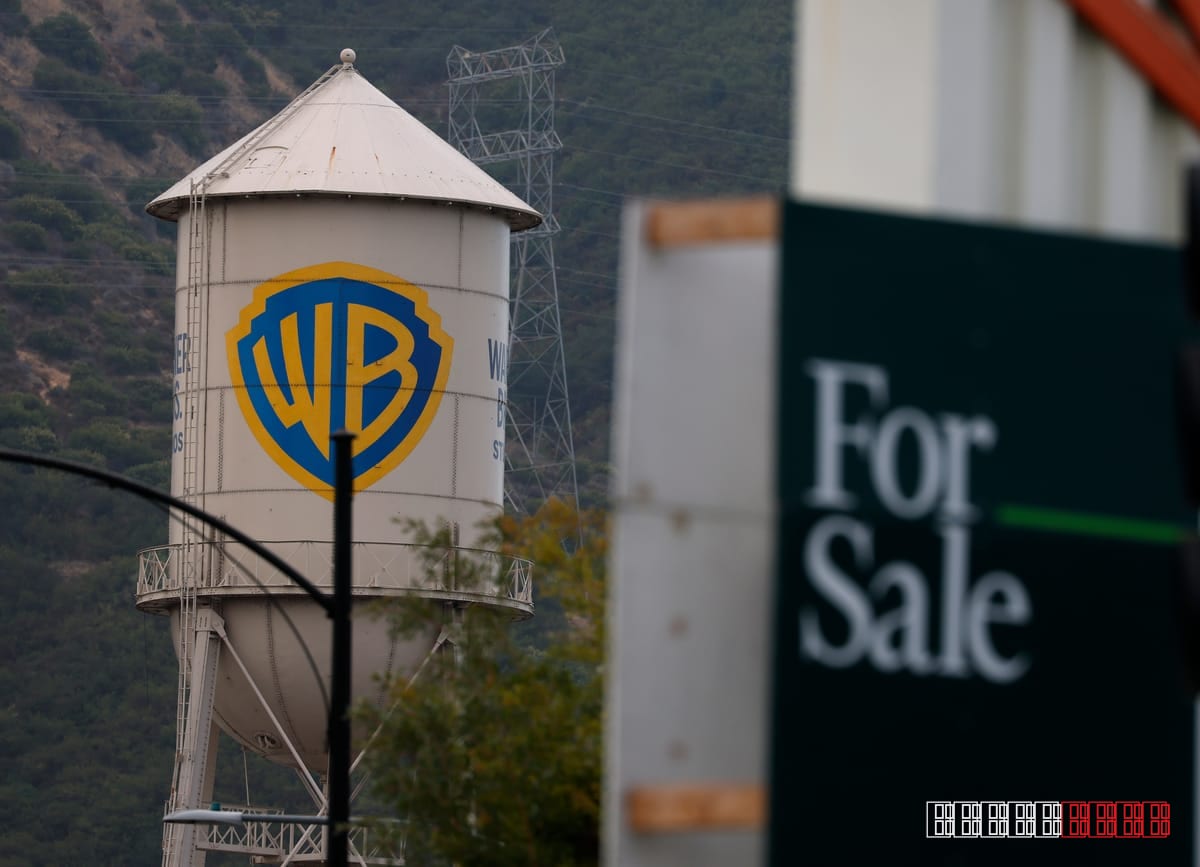
Settlement discussions between Paramount Global and a coalition of state attorneys general continued on Sunday but ended without a deal, Variety reported. The talks are part of the antitrust case that the states filed to block Paramount’s proposed acquisition of Warner Bros. Discovery. While the parties exchanged proposals, no consensus was reached by the close of business.
California Attorney General Rob Bonta, who heads the 12‑state coalition, is said to remain receptive to a compromise that would address the regulators’ concerns. According to Variety, Bonta has indicated willingness to consider concessions that preserve competition while allowing the merger to move forward, though the specifics of his openness were not disclosed.
Not all members of the coalition share that optimism. A subset of the attorneys general, representing states with particularly stringent competition statutes, are pushing for “stronger concessions,” demanding that Paramount offer more robust divestitures or licensing guarantees to satisfy antitrust standards. Their stance reflects a broader skepticism about the market impact of combining two of the nation’s largest media libraries.
The dispute sits within a long‑standing pattern of heightened scrutiny over mega‑media mergers. Over the past decade, the Justice Department and state regulators have challenged or conditioned deals such as Disney’s acquisition of 21st Century Fox and AT&T’s purchase of Time Warner, citing fears of reduced content diversity and higher prices for consumers. Antitrust officials argue that consolidating content creators and distributors can give the combined entity excessive bargaining power over advertisers, filmmakers, and streaming platforms.
If the settlement falters, the merger could face a court injunction, delaying or even derailing the transaction. For Paramount, the deal represents a strategic bid to compete with streaming giants like Netflix and Amazon by expanding its library and international reach. Conversely, a blocked merger would keep the competitive landscape fragmented, preserving smaller players’ negotiating leverage. Industry observers will watch the next round of negotiations closely, as any agreement will likely set precedents for future consolidation attempts in the entertainment sector.
The coalition’s next steps remain unclear, but the pressure from the more hard‑line AGs suggests that any final settlement will need to include substantial remedies—potentially involving the sale of assets, licensing commitments, or other measures designed to maintain market competition.
This report is based on original reporting by Variety. Read the original source →