California AG Rob Bonta Challenges Paramount‑Warner Deal Over Alleged Political Interference
Bonta’s July lawsuit claims the DOJ’s antitrust office warned the merger was illegal, yet the White House pushed it forward, sparking a new political backlash.
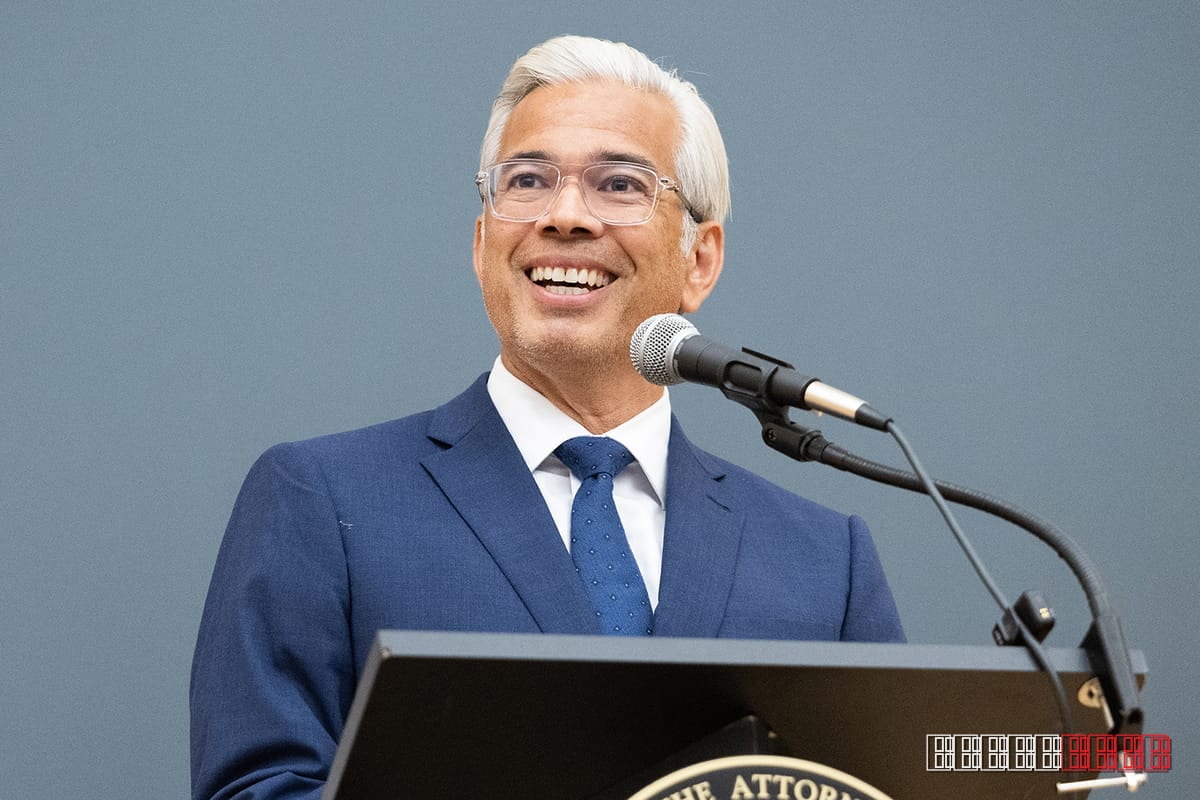
When California Attorney General Rob Bonta filed a federal suit in July, he sought to halt the proposed merger of Paramount Global with Warner Bros. Discovery. In the complaint, Bonta argued the deal was being advanced for political reasons, asserting that the Trump administration had deliberately failed to act on antitrust concerns.
According to Variety, Bonta’s filing cited an internal Department of Justice antitrust assessment that deemed the transaction unlawful. He claimed the White House overrode that advice, effectively green‑lighting a merger that the agency believed would diminish competition in the media market.
A federal judge later refused to grant a preliminary injunction, allowing the merger to move forward while the case proceeds through the courts. Industry groups have criticized the lawsuit as an overreach, saying that state attorneys general lack standing to intervene in federal antitrust reviews.
Antitrust scrutiny of media consolidation is not new. Past deals such as Disney’s acquisition of 21st Century Fox and AT&T’s purchase of Time Warner faced intense regulatory debate, with the Justice Department often playing a decisive role. State officials occasionally join such fights, invoking consumer‑protection statutes, but the balance of power typically rests with federal agencies.
The controversy took an unexpected turn when Bonta himself became the subject of a separate political complaint. Variety reported that after accusing the federal government of undue influence, the attorney general faced allegations that his own office was being used to target political opponents, raising questions about the consistency of his own conduct.
The episode highlights the growing friction between state‑level consumer advocacy and federal trade policy, especially as the entertainment industry consolidates around a few dominant streaming and production platforms. How the courts ultimately rule could set a precedent for future challenges to mega‑mergers in Hollywood and beyond.
This report is based on original reporting by Variety. Read the original source →