Zelda Williams urges fans to stop sharing AI deepfakes of Robin Williams
The actress and director asks the public to respect her late father's legacy and refrain from posting synthetic videos of the comedian on social media.
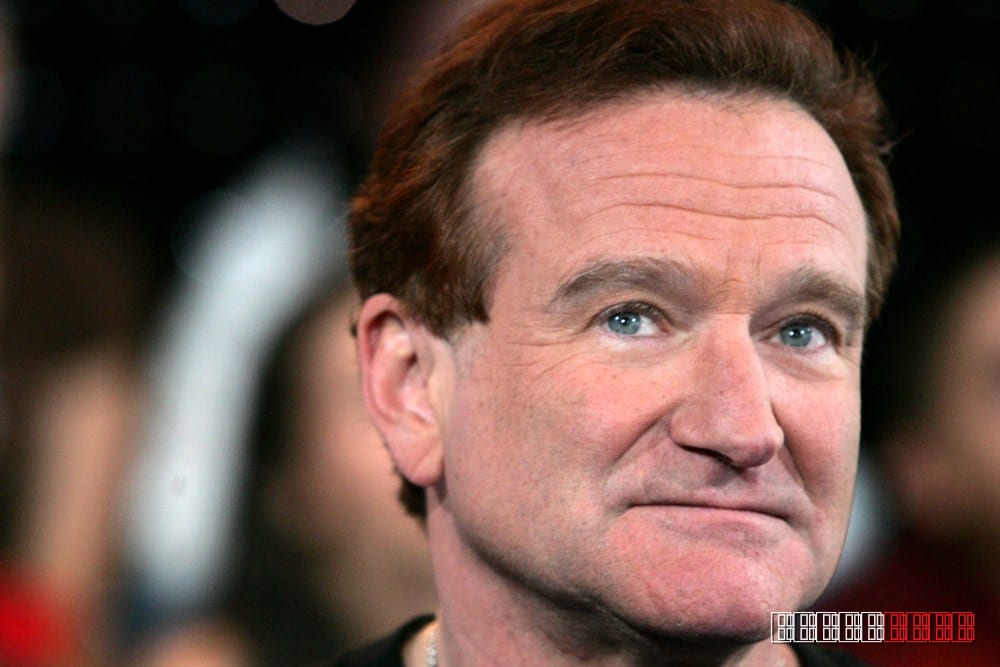
Zelda Williams, daughter of the late comedian Robin Williams, used her X account on Monday to appeal directly to fans who continue to circulate artificial‑intelligence‑generated clips of her father. In a brief statement she wrote that creators should "have some shame" and stop inserting the late star into "delusional bulls—," a clear request for the public to leave his image out of fabricated content. The post comes roughly a year after Zelda first asked followers to stop sending her augmented videos featuring Robin, a plea that has apparently gone unheeded.
Variety reported that the 48‑year‑old, who recently directed the horror‑comedy Lisa Frankenstein, emphasized the personal pain such deepfakes cause. "My dad was a human being with a family, not a meme," she said, adding that the ongoing misuse of his likeness undermines the memory of a beloved performer who died in 2014. She did not cite any legal action, but her message aligns with a growing chorus of artists and estates pushing back against posthumous AI recreations.
The controversy sits at the intersection of rapid AI advances and longstanding questions about image rights. Tools that generate realistic video—often called “deepfakes”—have become increasingly accessible, allowing anyone to splice a celebrity’s face onto new dialogue or scenarios. While the technology fuels creative experimentation, it also raises ethical concerns, especially when used without consent. In recent months, similar AI‑generated performances of deceased actors such as James Dean and Carrie Fisher have sparked lawsuits and public outcry, prompting lawmakers in several states to consider legislation that would protect a person's likeness after death.
For the entertainment industry, the issue is both legal and moral. Studios and talent agencies are negotiating contracts that explicitly address AI usage, and some have begun to secure “digital rights” for living performers. However, the rights of those who have passed away remain murky, leaving families like the Williamses to navigate a largely unregulated landscape. The public’s appetite for nostalgic content often collides with the desire of estates to preserve dignity and control over how a star’s image is used.
Zelda’s appeal underscores a broader shift: audiences are being asked to consider the human impact behind viral clips that may look authentic but are entirely fabricated. As AI tools continue to improve, the line between tribute and exploitation grows thinner, prompting calls for clearer norms and possibly new legal safeguards to protect the legacies of cultural icons.
This report is based on original reporting by Variety. Read the original source →