Pentagon questionnaire probes NATO allies' alignment with U.S. policies
A recently obtained Pentagon questionnaire asks NATO members about their political loyalty to U.S. strategic priorities, sparking debate over alliance cohesion.
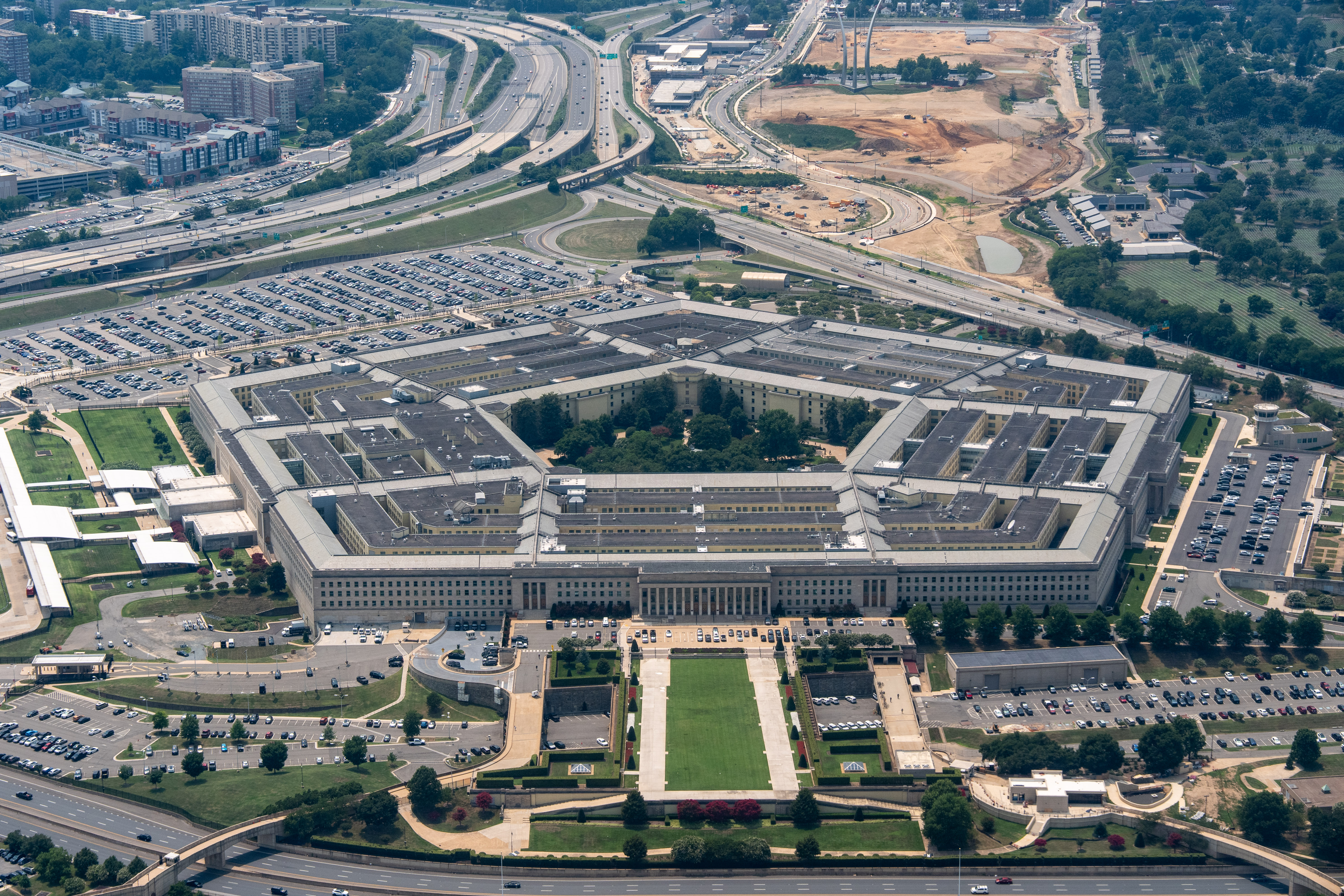
A set of internal Pentagon documents, obtained by UnbarNews, reveal that the U.S. defense department circulated a questionnaire to NATO member states asking them to confirm their political alignment with American policy objectives. The questionnaire, which was distributed to senior defense officials across the alliance, sought written assurances that each country’s defense strategy and procurement plans were consistent with U.S. strategic interests.
The move reflects growing Washington concern about divergent national policies within the alliance, particularly as NATO grapples with emerging security challenges in Europe and the Indo‑Pacific. While the United States has long emphasized the importance of a unified front, officials in several European capitals have expressed unease that the request borders on a test of political loyalty rather than a routine coordination exercise.
Details of the questionnaire indicate that it covered topics ranging from the deployment of U.S.-origin weapons systems to the interpretation of collective defence commitments under Article 5 of the NATO treaty. Respondents were asked to confirm that their national defence ministries would not pursue policies that could undermine U.S. strategic goals, a phrasing that some analysts say could be read as a demand for political conformity.
Reactions among NATO allies have been mixed. Some governments have indicated willingness to cooperate, citing the need for strategic coherence, while others have raised questions about sovereignty and the appropriateness of such a request. Diplomatic sources suggest that the United States hopes the questionnaire will identify potential gaps in alliance policy before they become operational obstacles.
The episode arrives at a time when NATO is reassessing its posture in response to Russian activity in Eastern Europe and increasing Chinese influence in the maritime domain. Whether the questionnaire will lead to concrete policy adjustments or simply serve as a diagnostic tool remains to be seen, but it underscores the delicate balance between collective security and national autonomy within the alliance.