Philippine transport workers walk out as fuel costs surge
Drivers and other commuters stage a mass strike, citing soaring gasoline prices tied to overseas conflicts, while the government rolls out free rides.
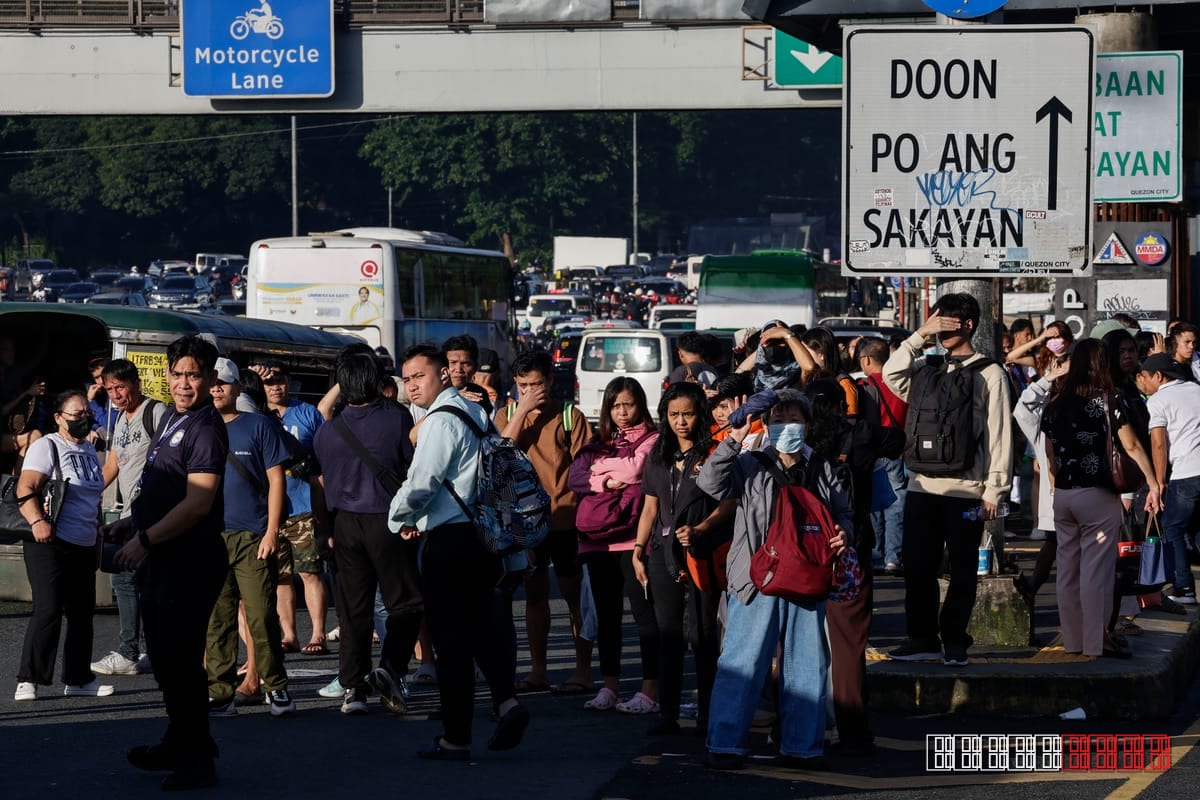
Thousands of transport workers across the Philippines halted their services on Thursday, protesting what they describe as an untenable rise in fuel prices. According to Al Jazeera, the strike involved bus, jeepney and truck drivers who gathered at major terminals in Manila and other cities, demanding immediate government intervention.
The participants linked the price jump to the ongoing US‑Israel war on Iran, arguing that the conflict has tightened global oil supplies and pushed crude prices higher. Al Jazeera reported that union representatives said the war has disrupted shipping routes and heightened geopolitical risk premiums, which are passed on to Filipino consumers at the pump.
In response, the national government announced a temporary free‑ride scheme for commuters using public transport in the capital region. The measure, also detailed by Al Jazeera, is intended to ease the burden on daily travelers while authorities negotiate with fuel distributors and review tax policies that affect gasoline costs.
The Philippines has long been dependent on imported oil, with more than 90% of its fuel needs sourced abroad. Historically, spikes in global crude prices have translated quickly into higher domestic pump prices, prompting periodic protests by transport unions. The last large‑scale driver strike occurred in 2022 after a sudden tariff increase, leading to a brief suspension of services and a government‑led price‑cap discussion. Because fuel accounts for a significant portion of operating expenses for jeepneys and trucks, even modest price hikes can erode earnings and trigger collective action.
Economists warn that prolonged disruptions could ripple through the supply chain, affecting the delivery of goods and the cost of living for ordinary Filipinos. While the free‑ride program offers short‑term relief for commuters, analysts say a sustainable solution will require addressing the root causes of price volatility, such as diversifying energy sources and stabilising tax structures. The outcome of the current strike may shape future policy debates on how the Philippines shields its transport sector from external shocks.
This report is based on original reporting by Al Jazeera. Read the original source →