Presidential election proceeds in Pakistan‑administered Kashmir despite unrest
Lawmakers in Azad Jammu & Kashmir will elect a new president even as seven assembly seats remain vacant amid months of protest.
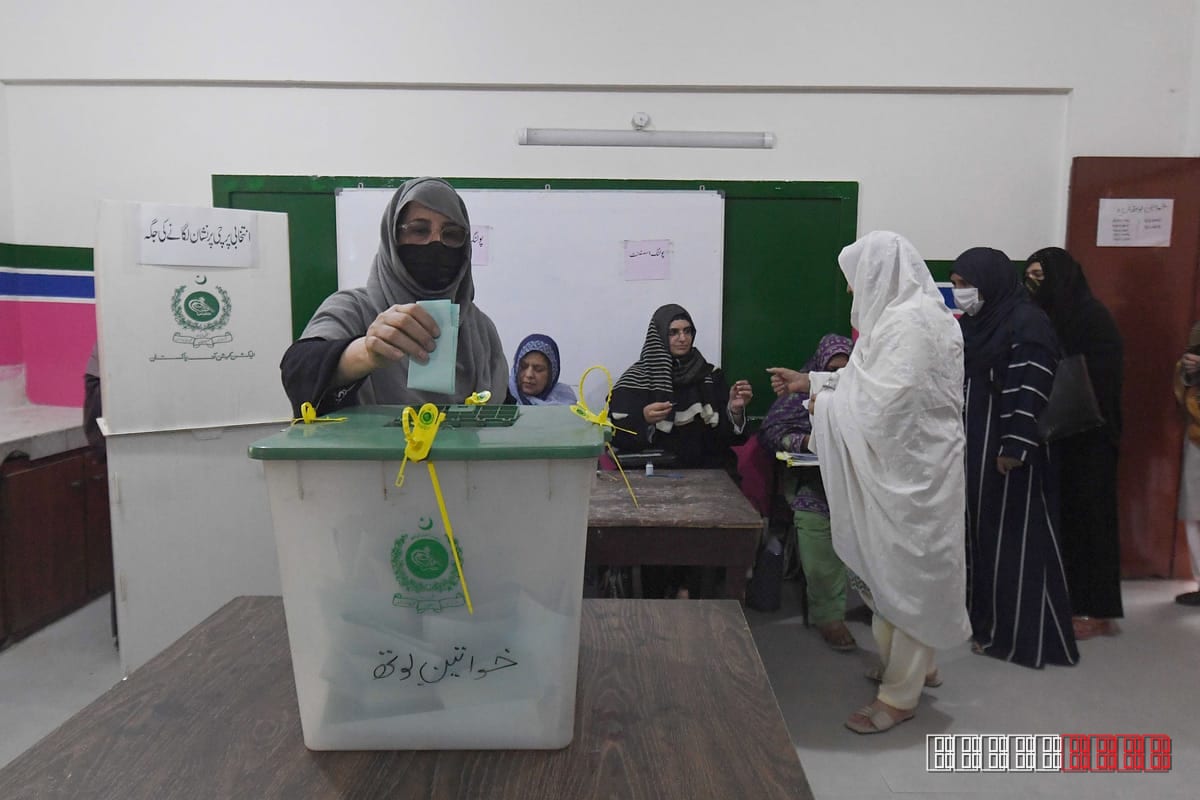
Lawmakers in Pakistan‑administered Kashmir are set to elect a new president this week, even though seven constituencies remain without representation, Al Jazeera reported. The vacancies are in districts that have been the flashpoint of protests and clashes over the past several months, leaving the legislative assembly short of its full complement.
The president in Azad Jammu & Kashmir (AJK) is not chosen by popular vote; instead, the region’s elected assembly selects the head of state according to the local constitution. With the assembly’s numbers reduced, the vote will take place under a tighter margin, raising concerns that the outcome could be swayed by a smaller coalition of parties.
The unrest that prompted the vacancies began in early summer when opposition groups alleged irregularities in the recent local elections and demanded greater autonomy from Islamabad. Demonstrations quickly escalated into street confrontations in the districts of Muzaffarabad, Kotli and Poonch, prompting security forces to impose curfews and suspend polling in several constituencies. Those suspended contests have yet to be rescheduled, leaving the seats empty.
Azad Jammu & Kashmir enjoys a semi‑autonomous status under Pakistani administration, with its own president, prime minister and legislative assembly. However, the region’s political landscape is heavily influenced by Pakistan’s federal government, which appoints the chief election commissioner and often backs candidates aligned with the ruling party in Islamabad. The upcoming presidential vote therefore carries symbolic weight, signalling either continuity or a shift in the delicate balance between local aspirations and federal oversight.
Observers note that the election’s timing—amid ongoing protests and a fragile security environment—could affect public confidence in the region’s institutions. International human‑rights groups have called for a transparent process and for the vacant seats to be filled promptly, arguing that full representation is essential for addressing the grievances that sparked the unrest.
The assembly’s decision will be watched closely by both Islamabad and New Delhi, as any change in leadership could influence the broader Kashmir dispute. While the president’s role is largely ceremonial, the office can shape dialogue with Pakistan’s central government and impact the region’s approach to development projects and security policy.
This report is based on original reporting by Al Jazeera. Read the original source →