Punjab's New Secret Terrorism Trials Prompt Legal Backlash
A single unnamed official can now order anonymous judges, prosecutors and witnesses in terrorism cases, raising concerns over due process.
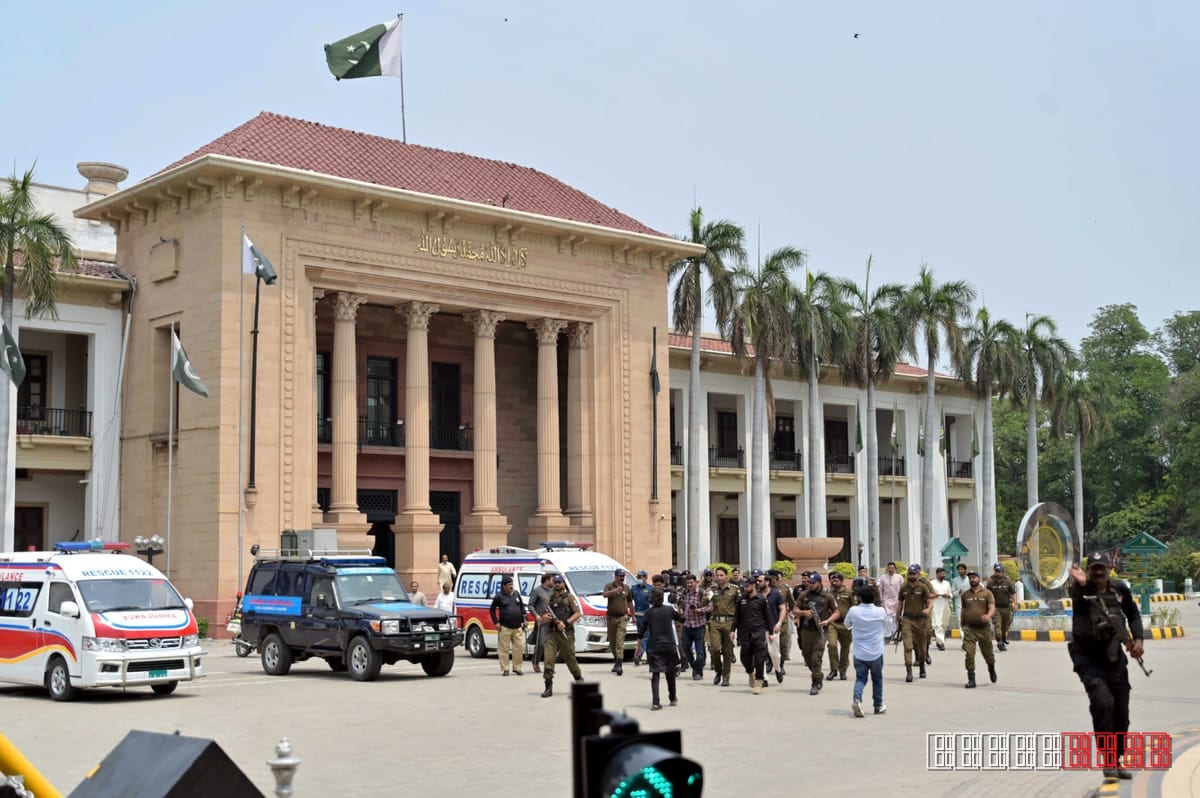
Punjab province has introduced a rule that permits a single, unnamed official to order that judges, prosecutors and witnesses in terrorism cases remain anonymous, with no prescribed time limit for the proceedings. Al Jazeera reported that the measure is intended to protect those involved from intimidation, but it effectively creates closed‑door trials that bypass standard courtroom transparency.
Under the new protocol, the designated official can decide that the identities of all legal actors in a case be concealed, meaning defendants, their families and the public are barred from knowing who is presenting the case or delivering the verdict. The lack of a time cap means these secret hearings could extend indefinitely, a point highlighted by Al Jazeera’s coverage of the policy.
Human‑rights organisations and legal scholars have condemned the move as a breach of constitutional guarantees. Critics argue that anonymity erodes the right to a fair trial and opens the door to potential misuse of power. Opposition politicians have also voiced alarm, suggesting the rule could be used to silence dissent under the guise of counter‑terrorism, a concern echoed in Al Jazeera’s analysis.
Pakistan’s anti‑terrorism courts have a fraught history of balancing security needs with civil liberties. Since the early 2000s, the country has employed special tribunals to expedite terrorism prosecutions, often limiting public access to proceedings. The Supreme Court has previously ruled that indefinite secrecy violates fundamental rights, but enforcement has been inconsistent. The current Punjab directive builds on earlier provincial experiments with “confidential” hearings, intensifying the debate over how far the state can go in shielding its personnel while preserving judicial fairness.
The controversy is likely to attract scrutiny from international watchdogs and could influence future legislative reforms. If the policy persists, defendants may face convictions without the ability to challenge the credibility of anonymous witnesses, potentially undermining public confidence in the legal system. Legal experts predict that challenges could be brought before higher courts, and that pressure from civil‑society groups may force a revision of the secrecy provisions.
This report is based on original reporting by Al Jazeera. Read the original source →