Qatar offers diplomatic backing as Libya seeks to close its political split
A senior Qatari minister met with Libya's army chief to discuss support for ongoing unity talks.
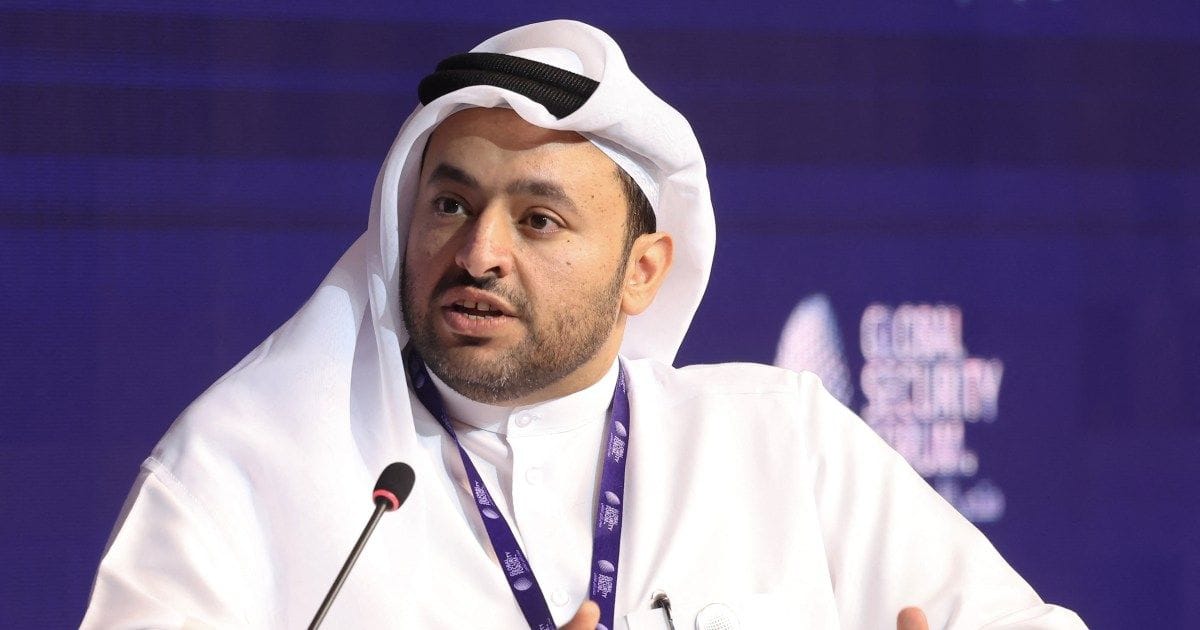
A senior Qatari minister met with the commander of Libya's armed forces on Monday as Doha announced a new package of diplomatic and economic assistance aimed at accelerating the winding down of the country’s fifteen‑year political deadlock. The meeting, held in Doha, was described by officials as a concrete step toward bolstering the United Nations‑backed process that seeks to bring together the rival administrations in Tripoli and eastern Libya under a single, internationally recognised government.
Libya has been fragmented since the fall of Muammar Gaddafi in 2011, with competing militias, a split parliament and intermittent fighting that have hampered reconstruction and oil production. The latest UN‑spearheaded talks, which involve regional powers such as Egypt, Turkey and the United Arab Emirates, have been struggling to secure a durable ceasefire and a roadmap for elections. Qatar’s commitment, announced after the minister’s discussion with the army chief, adds a new layer of external encouragement, emphasizing the Gulf state’s interest in a stable, unified Libya.
While the details of the aid package were not disclosed, Qatari officials said it would cover “political dialogue, capacity‑building for security institutions and modest economic projects that can create jobs and rebuild infrastructure.” The minister also highlighted Qatar’s willingness to host future negotiation rounds and to act as a mediator if required. Libyan officials welcomed the overture, calling it a “positive signal” that could help bridge the mistrust that still separates the eastern armed forces from the western civilian authorities.
Regional analysts note that Qatar’s involvement reflects a broader shift among Gulf states toward more active diplomatic engagement in the Sahel and North Africa. By backing the UN effort, Doha hopes to both curb the flow of weapons that fuels the conflict and to secure its own strategic interests, including the protection of maritime routes in the Mediterranean.
The next scheduled round of talks is set for early September in Geneva, where delegations from the two Libyan sides, as well as representatives from the UN, the African Union and a host of European countries, will attempt to finalize a transitional roadmap. Observers will be watching closely to see whether Qatar’s newly pledged support can translate into tangible progress on the ground.