Qatari envoy questions the impact of talks amid relentless air strikes
In a candid interview, Al Anoud Al Thani reflects on the limits of diplomacy while conflict rages on.
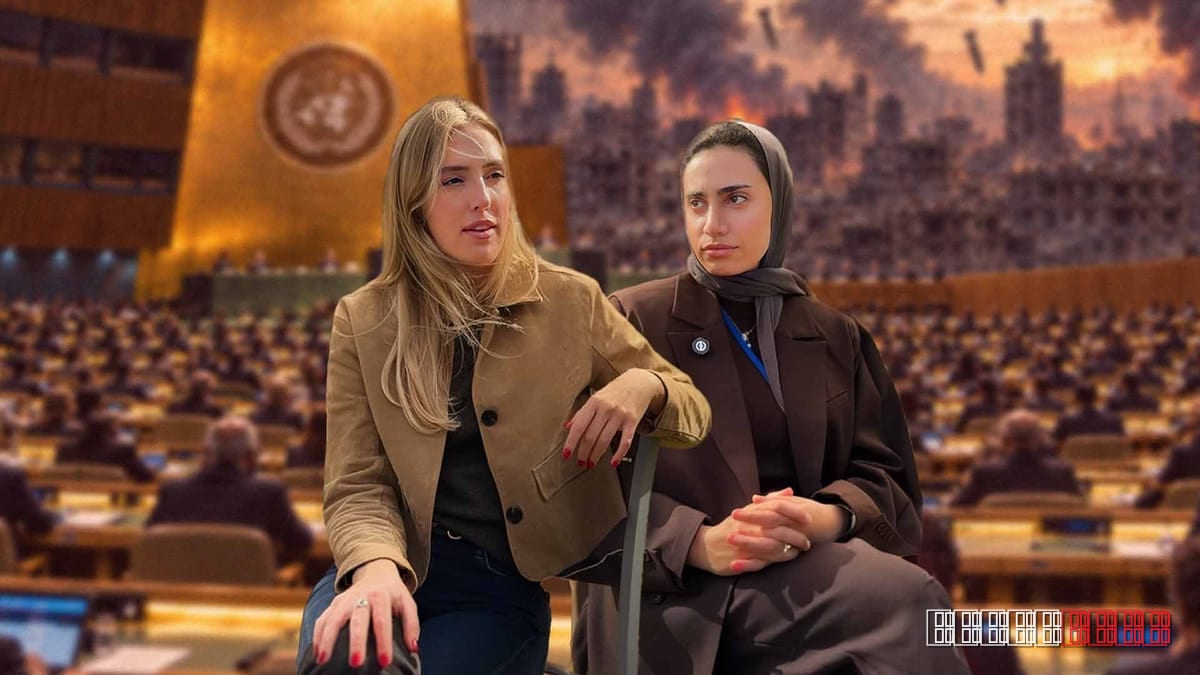
Emma Withrow of Al Jazeera sat down with Qatari diplomat Al Anoud Al Thani to probe the effectiveness of diplomatic channels in a war zone where bombings continue unabated. Al Jazeera reported that the conversation centered on whether negotiations can truly halt the cycle of violence when artillery and missiles are still falling daily.
Al Thani, who has been involved in several regional mediation efforts, expressed a mixture of frustration and cautious optimism. She noted that diplomatic initiatives often suffer from a “time lag” that can make them appear ineffective in the face of immediate human suffering. Yet she also highlighted that back‑channel talks have, in past conflicts, created the conditions for cease‑fires and humanitarian corridors.
The interview comes at a time when the international community is grappling with how to respond to ongoing hostilities in the Middle East. Since the escalation of fighting earlier this year, United Nations bodies and a coalition of states have floated multiple cease‑fire proposals, many of which have stalled over disagreements on ground‑level enforcement. Qatar, leveraging its diplomatic ties with both sides, has repeatedly offered to host negotiations, a role that has drawn both praise and criticism.
Historically, diplomatic interventions in protracted conflicts have faced similar challenges. The 1990s Balkan wars, for example, saw extensive peace talks that initially seemed fruitless until a combination of pressure, incentives, and on‑the‑ground realities eventually led to the Dayton Accords. In the current context, experts say that sustained diplomatic pressure, coupled with clear consequences for violations, remains essential for any lasting resolution.
Al Thani concluded that while the immediacy of bombings can eclipse diplomatic progress, the very act of dialogue keeps a channel open for de‑escalation. She urged the global community not to abandon diplomatic avenues, even when the sound of explosions drowns out hopeful rhetoric.
The interview underscores a broader debate: can diplomacy survive the harsh reality of ongoing conflict, or does it become merely a symbolic gesture? As the world watches, the answer may hinge on the willingness of all parties to translate talks into tangible steps that protect civilians.
This report is based on original reporting by Al Jazeera. Read the original source →