Russian analyst predicts social upheaval as Ukrainian casualties climb
A security expert cautions that the surging death toll in Ukraine could spark a broader crisis, amid intensified strikes on Russian infrastructure.
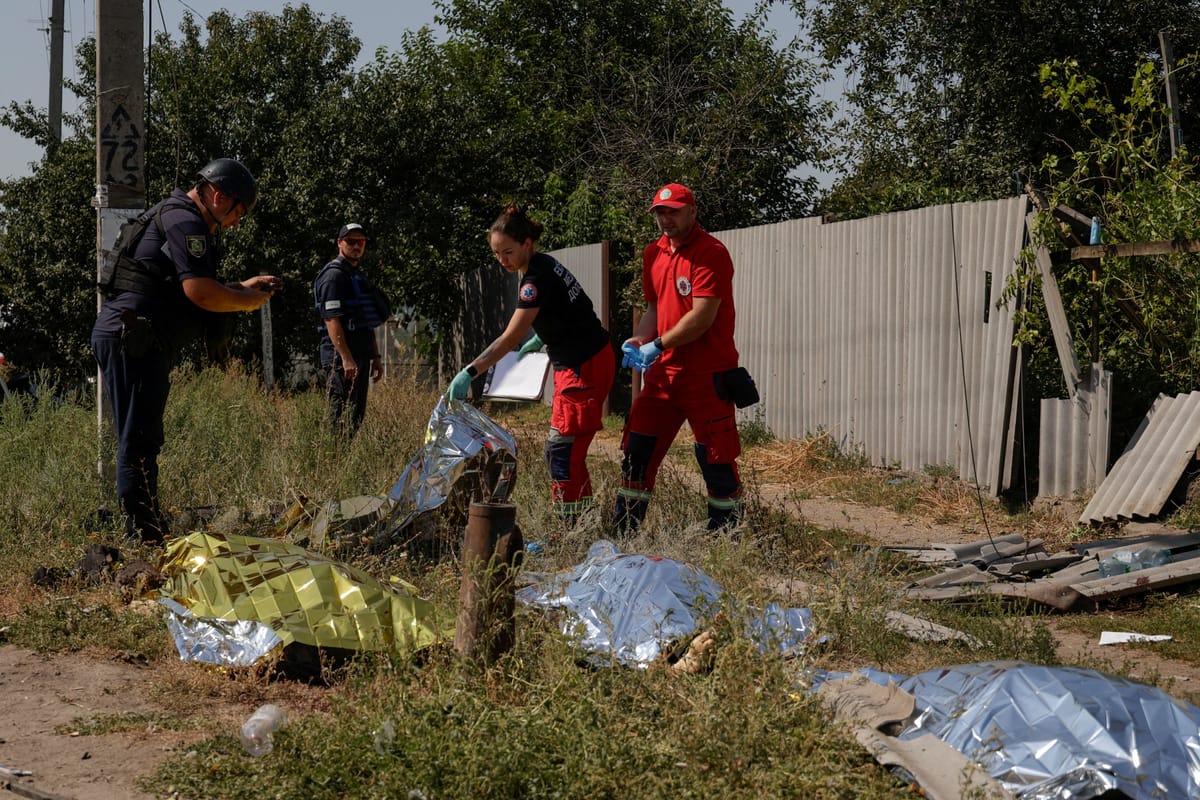
A senior Russian security analyst has sounded an alarm that the escalating number of deaths in Ukraine may soon translate into a full‑blown social crisis. The warning comes as reports confirm a steady rise in civilian casualties since the conflict entered its third year, with many families across the war‑torn country mourning lost loved ones.
The expert, who has advised Russian defense ministries for decades, said the growing human cost is eroding public confidence and could strain social services, healthcare and the labor market. "When the death toll continues to rise unchecked, the ripple effects reach far beyond the battlefield," he told a televised forum on Tuesday. He added that the psychological toll on communities, combined with economic pressures, may fuel unrest and demand for policy changes.
At the same time, Kyiv has intensified its campaign against Russian logistical hubs, targeting power grids, rail lines and fuel depots that sustain the Russian war effort. These strikes have disrupted electricity supplies in several Russian regions and forced authorities to impose rolling blackouts. Ukrainian officials claim the attacks are intended to weaken Russia’s capacity to sustain its military operations, while Russian officials label them as "terrorist" acts.
Humanitarian organizations warn that the combination of rising casualties in Ukraine and the degradation of essential services in Russia could deepen the regional humanitarian crisis. Aid agencies report shortages of medical supplies, food and shelter for displaced populations on both sides of the front.
The analyst’s forecast underscores a growing consensus among regional experts that the conflict’s human toll is reaching a tipping point. While diplomatic talks remain stalled, the warning suggests that without a de‑escalation, the war may spill over into broader societal instability, affecting not only the combatants but also the civilian populations caught in the crossfire.