Scotland risks waste buildup as landfill shrinks and incinerator stalls
Experts say a sharp drop in landfill capacity combined with a breakdown at Glasgow's main incinerator could leave streets littered.
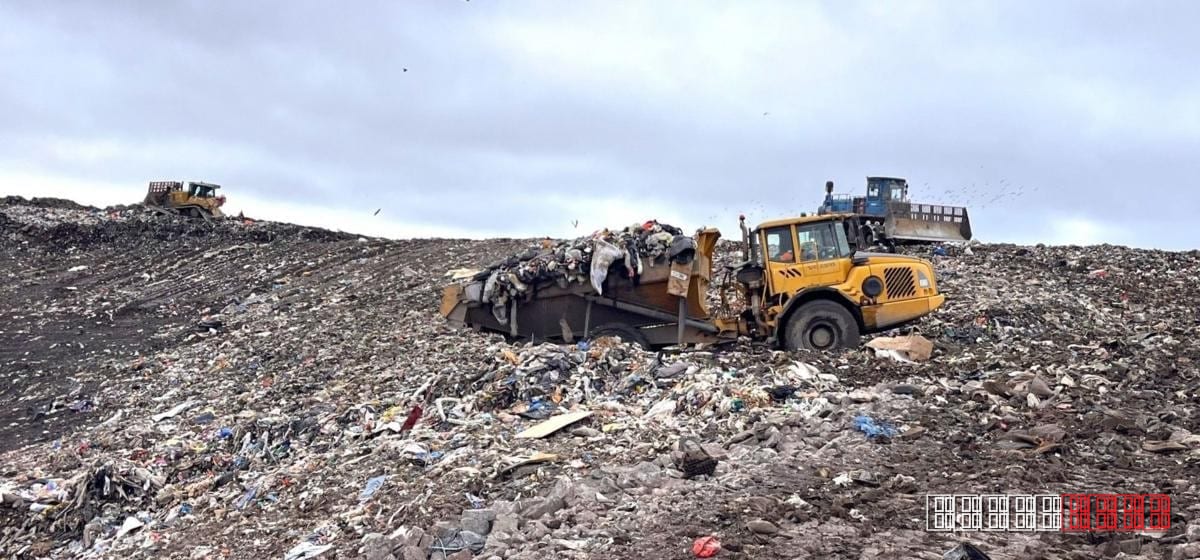
BBC News reported that Scotland is confronting a “perfect storm” of waste‑management challenges. A steep reduction in available landfill space, coupled with the recent failure of Glasgow’s primary waste‑to‑energy plant, has raised concerns that rubbish could begin to accumulate on public streets.
The incinerator, which normally processes around 300,000 tonnes of household waste each year, has been offline since a mechanical fault was discovered last month. With the plant out of service, the volume of waste that would normally be burned now has to be diverted elsewhere, putting extra pressure on the already‑strained network of landfills across the country.
Landfill capacity in Scotland has been contracting for several years as the government pushes to meet EU‑derived targets that aim to keep landfill use below 5 % of total waste by 2025. BBC News noted that the remaining sites are nearing the end of their operational life, and new permits are difficult to obtain due to environmental objections.
The situation mirrors similar episodes in other parts of the United Kingdom, where aging incinerators and limited landfill options have forced councils to consider temporary storage solutions or increased recycling rates. In England, for example, the closure of several large landfill sites in the early 2020s led to a surge in waste‑to‑energy projects, but also sparked public debate over air‑quality impacts.
For Scottish residents, the immediate impact could be more frequent collection delays and, in worst‑case scenarios, the placement of temporary waste containers on streets. Local authorities are already drafting contingency plans that include expanding recycling facilities and accelerating the rollout of smaller, community‑scale incinerators. The broader lesson underscores the importance of a diversified waste‑management portfolio that can absorb shocks without compromising public cleanliness or health.
Experts stress that the current crisis is a warning sign rather than an inevitable outcome. By investing in flexible infrastructure and maintaining a clear hierarchy—reduce, reuse, recycle, recover, then landfill—Scotland can avoid the worst‑case scenario of streets littered with unprocessed rubbish.
This report is based on original reporting by BBC News. Read the original source →