UK Waste Management Faces Strain as Landfill Space Shrinks and Glasgow Incinerator Fails
Experts warn that dwindling landfill capacity combined with a key incinerator outage could lead to visible garbage buildup across British streets.
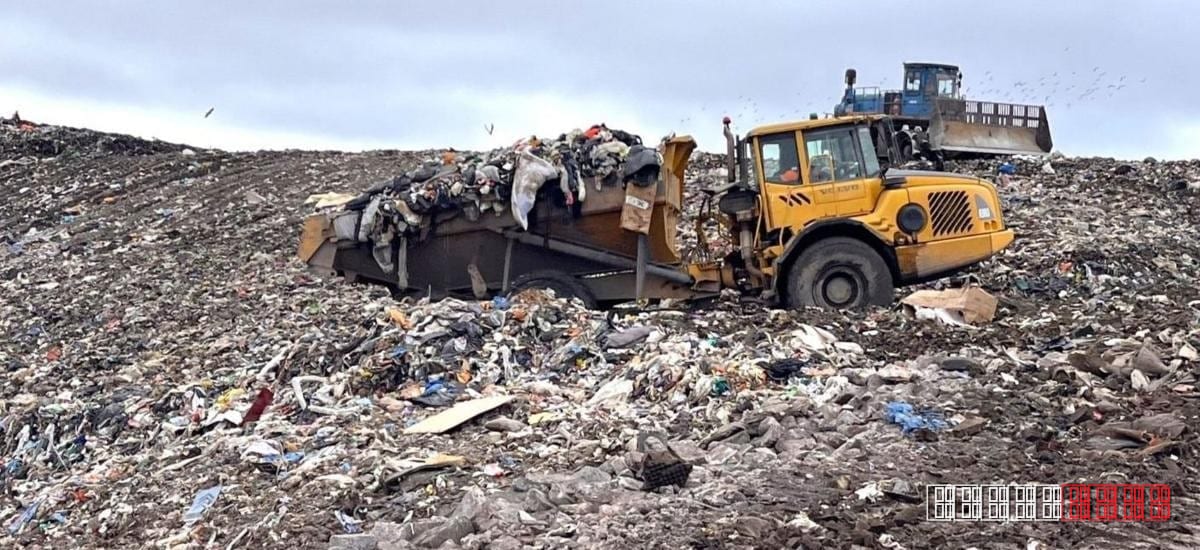
The waste industry in Britain is confronting a dual shock that could soon spill onto public thoroughfares, according to experts cited by BBC News. A sharp contraction in available landfill sites, paired with the unexpected shutdown of Glasgow’s primary waste‑to‑energy plant, has left municipal authorities scrambling for short‑term solutions.
Landfill capacity has been falling for years as the government pushes for a circular economy and tighter environmental standards. The UK now recycles or recovers about 45 % of its waste, but the remaining fraction still relies on landfill, which has been reduced by more than a third since 2010. The loss of space means that local councils must divert more material to alternative treatment options, a task made harder by the sudden loss of Glasgow’s main incinerator, which processes roughly 400,000 tonnes of waste annually.
With the incinerator offline, waste that would normally be burned for energy is being stockpiled at interim sites. Officials warn that if the plant does not resume operations soon, the backlog could force councils to use temporary storage that is not designed for long‑term holding, increasing the risk of litter spilling onto streets and public spaces. “We are looking at a scenario where rubbish could start to accumulate in neighbourhoods if we cannot find capacity quickly,” a waste‑management consultant told BBC News.
The situation underscores a broader challenge for the sector: balancing ambitious recycling targets with the practical need for reliable disposal infrastructure. Across Europe, many countries have reduced landfill use to meet EU directives, but the transition has been uneven. In the UK, the closure of older, polluting dumps has outpaced the construction of new facilities or the upgrading of existing incinerators, leaving gaps that become evident during unexpected outages.
Local authorities are now exploring temporary measures such as increased collection frequency, contract extensions with private waste firms, and even the use of portable compactors. However, these stop‑gap solutions carry higher costs, which could be passed on to taxpayers. The episode has reignited debate over whether the UK should invest more heavily in modern waste‑to‑energy plants or accelerate the shift toward zero‑waste policies that minimise the need for disposal altogether.
The coming weeks will test the resilience of Britain’s waste network. If the Glasgow incinerator remains down and landfill sites stay full, residents may soon see the consequences of a sector under pressure, from overflowing bins to littered sidewalks, prompting urgent calls for policy and infrastructure reform.
This report is based on original reporting by BBC News. Read the original source →