Senate moves forward with national NIL framework for college athletes
A Senate vote on Monday cleared a bill that would set uniform rules for name, image and likeness agreements across U.S. college sports.
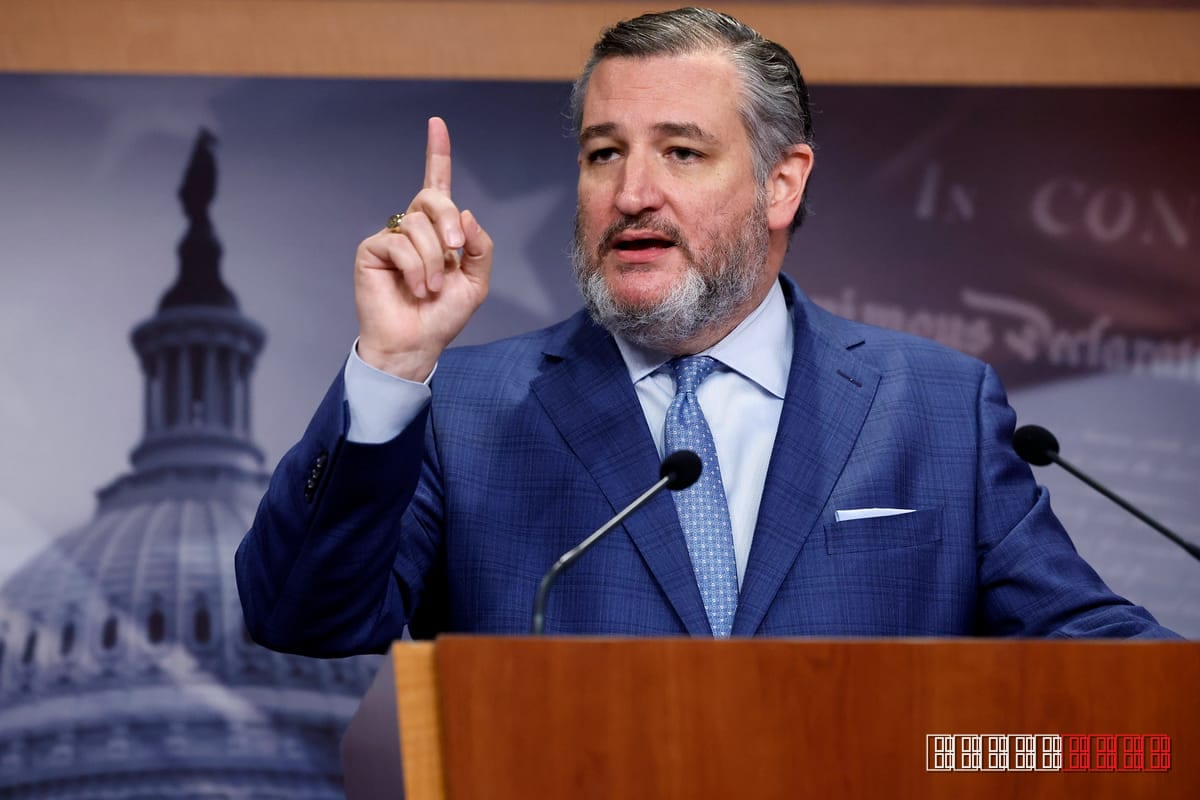
The United States Senate approved a bipartisan bill on Monday that would establish a nationwide structure for name, image and likeness (NIL) contracts involving college athletes, CNBC reported. The legislation aims to replace the patchwork of state laws and NCAA guidelines with a single set of standards, giving student‑players clearer rights and responsibilities when monetizing their personal brands.
Under the proposed law, colleges would be required to disclose NIL agreements, ensure that deals do not interfere with academic obligations, and provide a mechanism for resolving disputes. The bill also calls for the creation of a federal oversight board to monitor compliance and to advise the Department of Education on policy updates. Proponents argue that a uniform framework will reduce legal uncertainty for schools, athletes, and sponsors, while critics warn it could impose federal overreach on a traditionally decentralized college sports system.
The vote follows a rapid evolution in collegiate athletics. In 2021, the NCAA lifted its longstanding ban on athletes profiting from their NIL, prompting a wave of state legislation that varied widely in scope and enforcement. By 2024, more than half of the states had enacted their own NIL statutes, creating a confusing landscape for institutions that compete nationally. The new federal bill seeks to harmonize these disparate rules, a move that could streamline compliance for the roughly 480,000 student‑athletes across NCAA Division I, II and III programs.
Industry stakeholders have been closely watching the bill’s progress. Sports marketing firms anticipate a more predictable marketplace, while university compliance offices prepare for potential reporting requirements. Meanwhile, the NCAA has signaled willingness to work with lawmakers but remains cautious about ceding authority to a federal entity.
If enacted, the legislation would likely take effect at the start of the 2027‑28 academic year, giving schools a transition period to adjust contracts and reporting systems. The Senate’s approval now sends the measure to the House, where further debate is expected. The outcome could shape the financial future of college athletics, influencing everything from scholarship structures to the broader commercial ecosystem surrounding collegiate sports.
This report is based on original reporting by CNBC. Read the original source →