Separate Mediator Sessions Between U.S. and Iran Amid Surge in Middle East Oil Shipments
U.S. and Iranian officials met with different mediators on Monday as regional crude exports climbed to their highest level since the last major conflict.
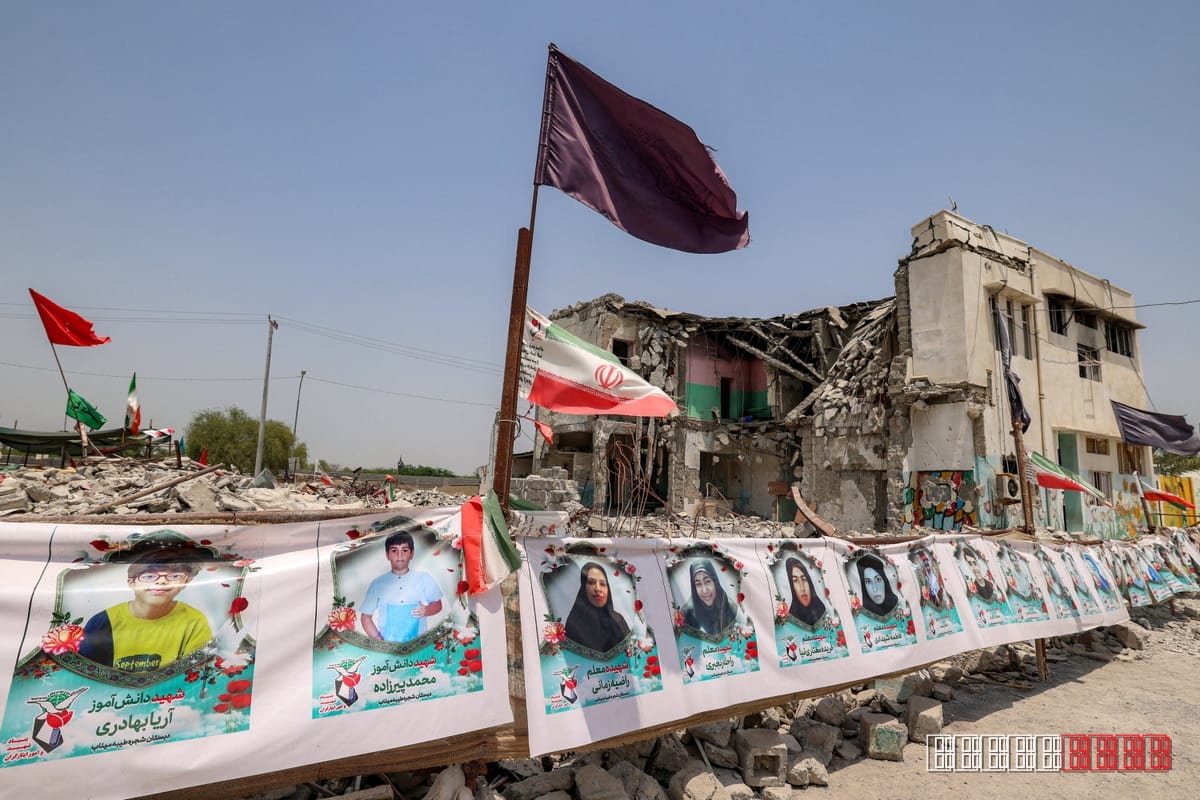
U.S. and Iranian representatives each held separate discussions with third‑party mediators on Monday, aiming to create conditions for a cease‑fire, CNBC reported. The meetings, conducted in parallel rather than jointly, reflect a cautious diplomatic approach as both sides test the limits of a fragile de‑escalation.
At the same time, crude oil flowing out of the Middle East rebounded to a war‑time high, according to market data cited by CNBC. The surge in shipments has helped stabilize global oil prices after weeks of volatility triggered by recent skirmishes in the Strait of Hormuz and surrounding waters.
The separate talks underscore the complexity of the current U.S.–Iran relationship. Since the U.S. withdrew from the 2015 nuclear accord, tensions have periodically flared over Tehran’s regional activities and Washington’s sanctions regime. Recent incidents, including the seizure of commercial vessels near the Hormuz Strait, have raised fears of a broader confrontation that could disrupt global energy supplies.
Mediators, whose identities have not been disclosed, are typically drawn from neutral nations or international organizations that can facilitate dialogue without being perceived as partisan. In past crises, such as the 2015 Iran nuclear negotiations, mediators have helped bridge gaps between the two capitals, though progress has often been incremental.
The rise in Middle Eastern oil exports is significant for both producers and consumers. When regional output reaches wartime levels, it can offset supply shocks caused by geopolitical risk, easing pressure on refinery margins and downstream markets. Analysts warn, however, that any escalation could quickly reverse the gains, as shipping lanes become contested and insurance premiums spike.
While the separate mediator sessions signal a willingness to engage, they also highlight the absence of direct communication channels between Washington and Tehran. Observers note that a coordinated cease‑fire framework would likely require a broader diplomatic effort involving regional allies and possibly the United Nations, especially if the underlying disputes over maritime security and sanctions are to be resolved.
The outcome of Monday’s talks remains uncertain, but the convergence of diplomatic overtures and a rebound in oil flows suggests that economic considerations continue to shape the strategic calculus of both nations.
This report is based on original reporting by CNBC. Read the original source →