Sharpeville survivors file lawsuit against South African state
Decades after the 1960 massacre, victims are suing the government for compensation and official acknowledgment.
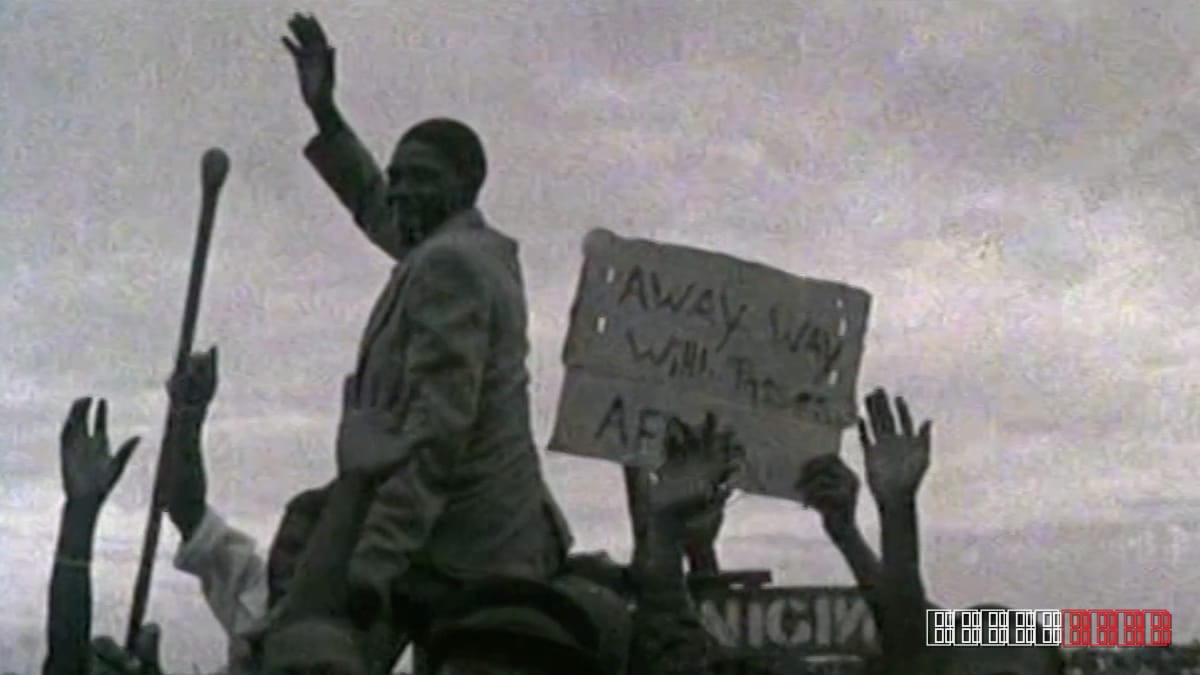
A coalition of former Sharpeville protestors and their families has lodged a civil suit against the South African government, demanding reparations for the 1960 Sharpeville massacre, Al Jazeera reported. The claim, filed in the High Court of Pretoria, alleges that the state failed to provide adequate compensation to those injured or whose relatives were killed when police opened fire on unarmed demonstrators.
The plaintiffs, represented by a team of human‑rights lawyers, argue that the apartheid‑era tragedy remains an unresolved injustice. They seek a formal apology, a monetary settlement for survivors and descendants, and a guarantee that the incident will be fully documented in national archives. The filing comes after years of advocacy by civil‑society groups who say the government’s previous reparations programme has been insufficient.
On March 21, 1960, more than 5,000 Black South Africans gathered outside the police station in Sharpeville to protest the pass‑book system that restricted their movement. Police opened fire, killing 69 people and wounding about 180, many of them women and children. The massacre sparked international condemnation and intensified resistance against the apartheid regime, eventually leading to its dismantling in the early 1990s.
In the post‑apartheid era, the Truth and Reconciliation Commission (TRC) documented the Sharpeville killings but offered limited material compensation. While the government has paid out settlements for other apartheid‑related abuses, critics argue that Sharpeville victims were left out of the broader reparations framework. Legal scholars note that South Africa’s constitution guarantees the right to just compensation for victims of gross human‑rights violations, providing a basis for the current lawsuit.
If the court rules in favor of the plaintiffs, it could set a precedent for further claims linked to apartheid-era atrocities, prompting a reassessment of how the state addresses historic grievances. The case also arrives at a time when South Africa is confronting renewed debates over land reform and economic redress, underscoring the lingering impact of past injustices on contemporary policy discussions.
This report is based on original reporting by Al Jazeera. Read the original source →