Shifts in the covert battle over Red Sea shipping target the Houthis' backers
Al Jazeera says Russian and Iranian intelligence that once aided Houthi attacks are now facing counter‑operations.
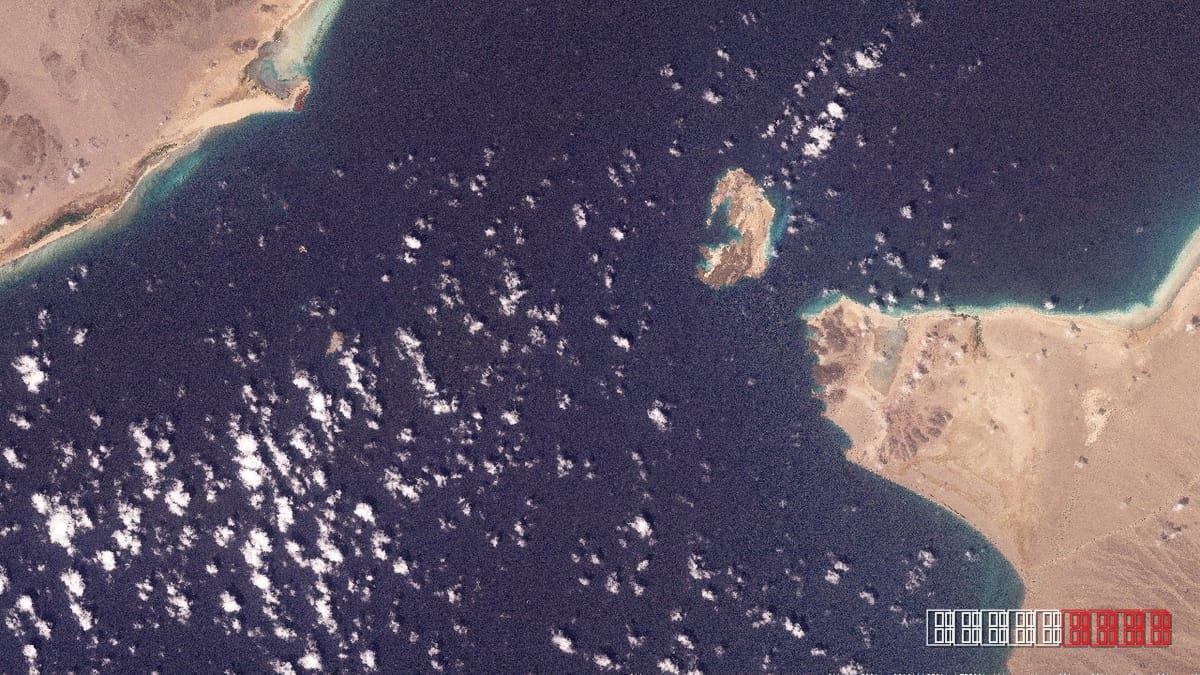
Al Jazeera reported that the network of Russian and Iranian intelligence services that helped the Houthis mount a large‑scale offensive along the Red Sea coast is now being hit by a series of covert strikes. The article notes that the same agencies that supplied surveillance, communications gear and logistical advice to the Yemen‑based rebels have become the focus of a coordinated response by regional and Western actors.
The intelligence war, as described by the outlet, has moved from supporting the Houthis’ missile and drone launches against commercial vessels to dismantling the very support structures that enabled those attacks. Sources cited by Al Jazeera say that special‑operations teams and cyber units have targeted supply chains, satellite links and safe houses used by the Iranian‑Russian partnership.
The shift comes after months of disruption to global trade routes. Since late 2023, Houthi‑launched missiles and unmanned aerial systems have threatened the flow of oil and container ships through the Bab al‑Mandeb strait, prompting the United States, Saudi Arabia and Israel to increase surveillance and, in some cases, conduct direct strikes on suspected weapon depots. The recent focus on intelligence hubs marks a new phase, aiming to cut the rebels off from the technical expertise that has amplified their reach.
Background: The Houthis, a Zaidi Shia movement that seized Yemen’s capital in 2014, have relied heavily on Iranian backing for weapons and training. Over the past decade, Tehran has used a network of proxies and covert operatives to supply the group, while Russia’s involvement has grown in parallel, offering advanced electronic warfare tools and intelligence sharing. Their combined support has allowed the Houthis to project power far beyond Yemen’s borders, turning the Red Sea into a contested arena that affects shipping lines linking Europe, Asia and the Middle East. Disruptions have forced carriers to reroute around the Cape of Good Hope, adding weeks and millions of dollars to freight costs.
Analysts say that degrading the intelligence pipeline could force the Houthis to revert to less sophisticated, more locally sourced tactics, potentially reducing the scale of attacks on international shipping. However, the resilience of clandestine networks means that any gains may be temporary unless broader diplomatic solutions address the underlying conflict in Yemen.
Al Jazeera concludes that the unfolding intelligence war underscores how modern conflicts increasingly play out in the shadows, with cyber and covert operations becoming as decisive as kinetic strikes in shaping regional security dynamics.
This report is based on original reporting by Al Jazeera. Read the original source →