Shipping groups warn of trade disruption as Hormuz tensions rise
Eighteen maritime authorities say geopolitical strain and a swelling shadow fleet could jeopardize global shipping routes, CNBC reports.
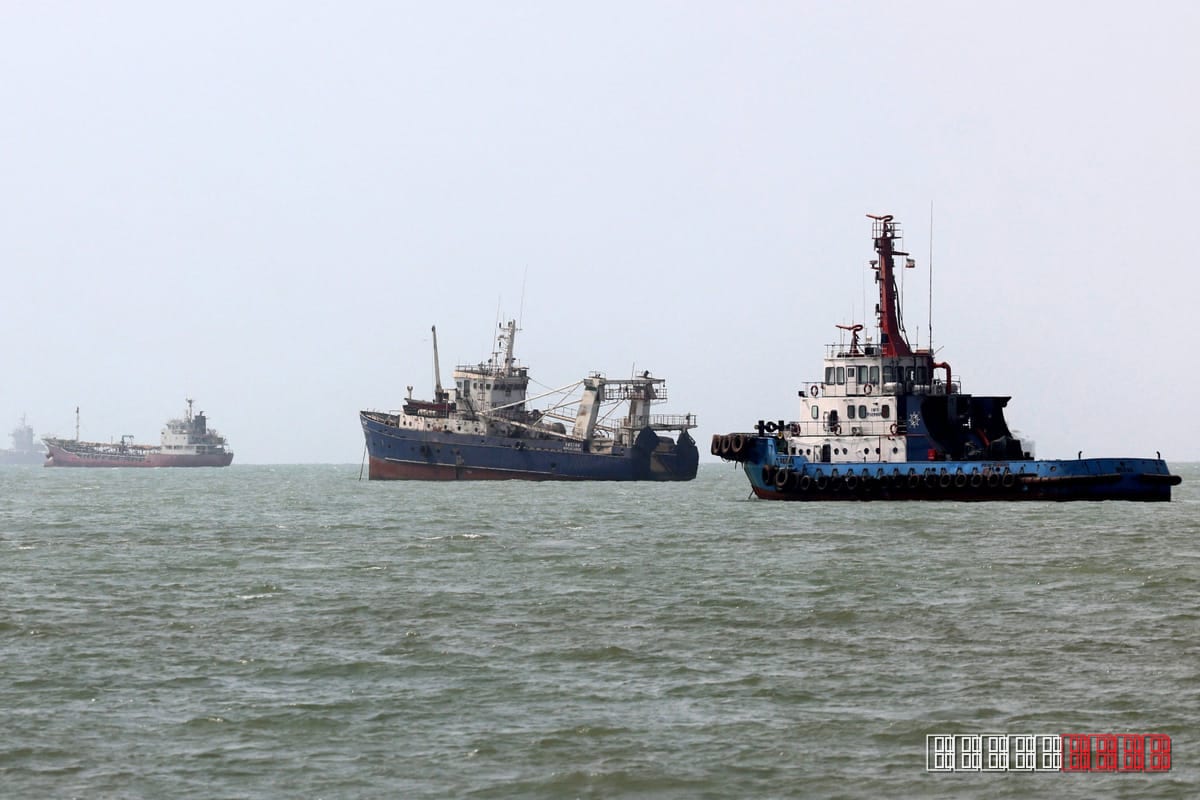
Eighteen maritime bodies issued a joint alert on Tuesday, saying that heightened geopolitical friction and the rapid growth of a so‑called “shadow fleet” threaten to erode the stability of international shipping, CNBC reported. The warning underscores fears that a breakdown in maritime trade could ripple through supply chains worldwide, affecting everything from oil to consumer goods.
The term “shadow fleet” refers to vessels that operate outside traditional regulatory frameworks, often owned by private entities that obscure true ownership. These ships can be repurposed quickly for illicit transport, sanctions‑evasion, or to skirt environmental rules, making them a wildcard in an already volatile environment. As the fleet expands, regulators worry it could be used to exploit flashpoints such as the Strait of Hormuz, where even a brief closure would have outsized effects on global oil flows.
The Strait of Hormuz has long been a strategic chokepoint; roughly a fifth of the world’s petroleum passes through its narrow waters. Recent escalations between Iran and regional rivals have revived memories of past confrontations that briefly halted tanker traffic, causing oil prices to spike. Historically, naval incidents or threats of closure have prompted insurers to raise premiums and shippers to reroute vessels around Africa’s Cape of Good Hope, adding weeks and thousands of miles to voyages.
For the United States, the stakes are especially high. The U.S. imports a significant share of its crude from the Middle East, and any disruption could tighten domestic fuel markets and raise prices at the pump. Moreover, American exporters that rely on container ships to reach Asian and European customers could see delays, squeezing profit margins and potentially prompting a reassessment of inventory strategies.
Analysts suggest that governments may respond with a mix of diplomatic outreach and heightened naval patrols to reassure commercial operators. Meanwhile, shipping companies are likely to increase scrutiny of vessel ownership and may seek to certify more ships under recognized flags to mitigate the shadow fleet’s influence. The coming weeks will test whether coordinated diplomatic efforts can keep the vital sea lanes open or whether the warning from the maritime bodies will become a self‑fulfilling prophecy.
This report is based on original reporting by CNBC. Read the original source →