Sixteen killed as Russian double‑tap strike hits Ukrainian shopping centre
A second Russian missile blast on a mall in Ukraine has left 16 dead, 130 wounded and nine people still unaccounted for.
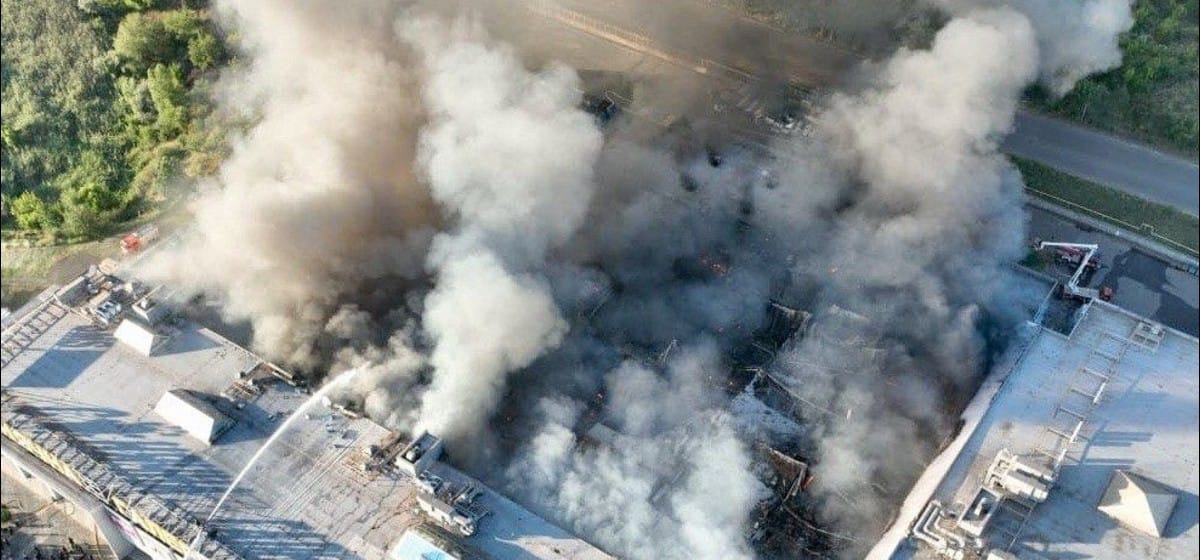
A Russian double‑tap missile attack on a Ukrainian shopping centre has resulted in a growing death toll and a frantic search for survivors. The first explosion struck the building during busy hours, prompting an evacuation, only for a second, more powerful strike to follow minutes later. Emergency crews arrived to find a scene of devastation, with debris scattered across the parking lot and the interior of the mall still smoldering.
Local authorities confirmed that 16 people have been confirmed dead, while medical services reported 130 injuries, many of them children who were present at the time of the blasts. The exact number of casualties remains fluid as rescue teams continue to sift through rubble, hoping to locate those still missing. Nine individuals have not yet been found, and families are being urged to register their loved ones with the emergency hotline.
The attack, described by officials as a “double‑tap” – a tactic that involves a second strike aimed at first‑responders and civilians gathering after the initial blast – underscores the heightened danger faced by rescue workers in conflict zones. Ukrainian officials have condemned the strike as a blatant violation of international humanitarian law, calling for a swift investigation and accountability.
International humanitarian agencies have mobilised additional resources to support the ongoing rescue operation, providing medical supplies, trauma counseling, and logistical assistance. The mall, a popular commercial hub for the surrounding community, now stands as a stark reminder of the civilian toll of the war.
As night falls, search and rescue teams remain on site, working through darkness with floodlights and thermal imaging equipment. The hope is that the missing will be located and that the community can begin to reckon with the tragedy that has unfolded in what was once a place of everyday life.